
 Kenneth Glad

History books often describe the ancient world as a place of rigid traditions. People assume that major religious ceremonies never changed over the centuries. But a closer look at one tragic mountain ritual reveals a very different story.

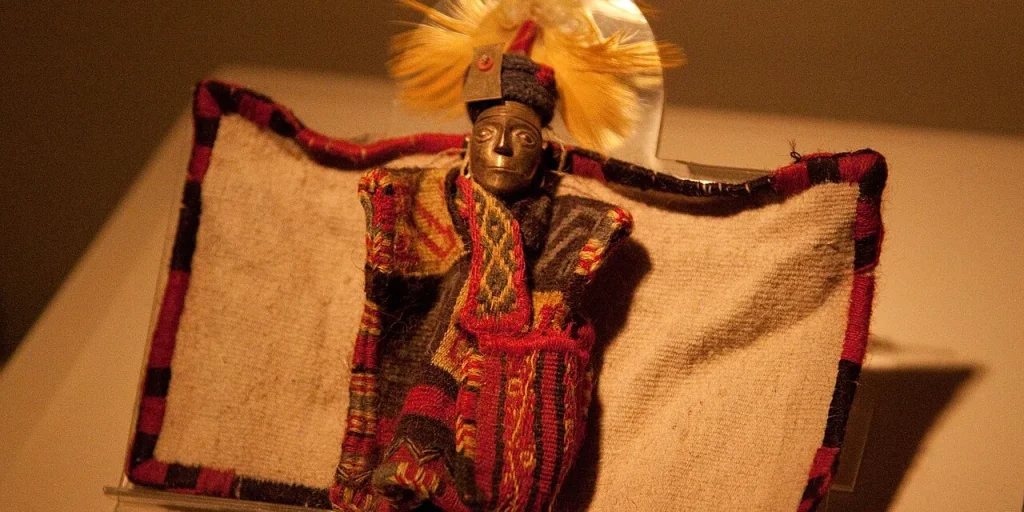
The Inca Empire performed a brutal child sacrifice ritual known as capacocha. Leaders ordered this sacred ceremony to restore cosmic order during severe droughts.
Priests led chosen boys and girls up freezing Andean mountain peaks and simply left them there to die of exposure. The victims were gathered from across the vast territory. Families considered it a massive honor for their children to become divine messengers.
Scientists have known for years that the young victims were heavily drugged first, writes HistorieNet. Now, a fresh analysis published in Antiquity reveals that the empire used a surprisingly wide mix of mind-altering substances to prepare them.
Traces in the ice
Scientists examined the tragic remains of eight young children discovered on extreme volcanic summits in Peru and Argentina, including the towering Llullaillaco peak.


The freezing, arid climate at elevations climbing above 6,000 meters turned their small bodies into perfect natural mummies over the centuries.
By testing perfectly preserved hair and nail clippings, researchers could see exactly what the victims consumed. Because human hair grows in stages, the strands provided a clear chemical timeline of their final weeks alive.
Every single child tested positive for cocaine, and four of them also showed clear traces of alcohol in their systems, creating unique biological markers that prove the two powerful substances were mixed.
Calming the victims
The cocaine came from chewing raw coca leaves, which the victims often held as thick wads inside their cheeks. Priests likely provided this potent, everyday remedy to help the young children fight off severe altitude sickness during the grueling ascent.
Meanwhile, the alcohol came from large quantities of chicha, a traditional fermented maize beer used heavily in imperial ceremonies to dull the senses.
One famous mummy from the towering Ampato mountain, a fourteen-year-old girl known as Juanita, offered the research team a massive surprise.
Her nails contained harmine, a strange chemical derived from a tropical vine used in the powerful hallucinogenic brew ayahuasca. Because harmine directly boosts serotonin levels, experts suspect this specific plant acted as a strong antidepressant to soothe the doomed girl before her death.
Local mountain gods
This strange chemical discovery proves that the deadly sacrifices varied wildly across the vast South American empire, rather than following a strict state formula. Because local mountain deities possessed unique genders and distinct demands, priests carefully tailored the offerings to appease them.
Different regions clearly followed their own distinct rules. By allowing local oracles to keep their specific botanical customs, imperial leaders in Cusco could more easily absorb conquered territories and maintain tight political control over isolated communities.
In a University of Cambridge press release, lead author Dagmara Socha explained the cultural meaning behind the new scientific findings.
“What we are seeing is that capacocha was not a single, standardized ritual; the Incas instead seem to have adapted it to different cults and local religious traditions,” Socha said.



