
 Jens Asbjørn Bøgen

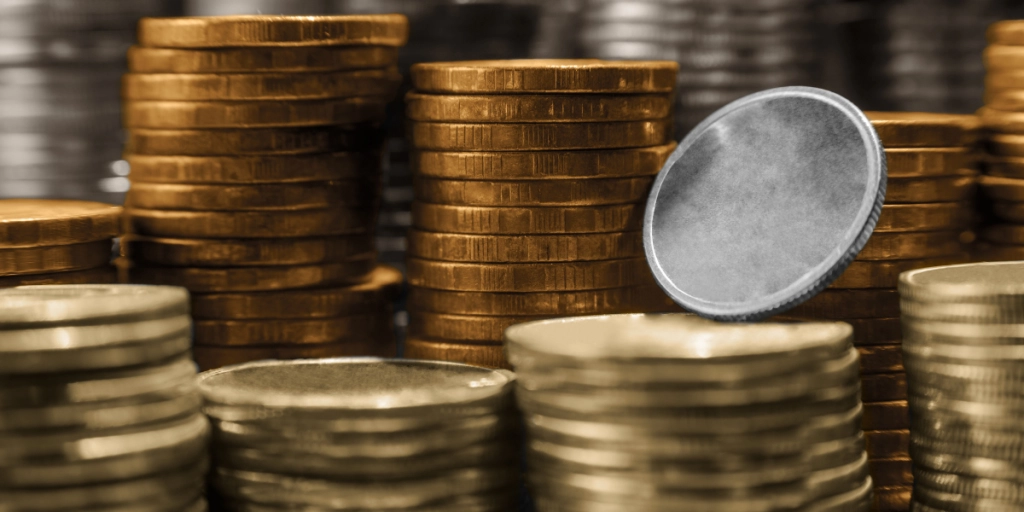
Across early medieval Europe, kings put their faces on silver. One northern English kingdom quietly did something very different.
In the ninth century, while rulers from Francia to Wessex stamped their currency from silver, the Anglo-Saxon kingdom of Northumbria churned out small, dull coins made mostly of copper alloy.
Historians have long assumed the switch was a sign of trouble: Viking raids, drained vaults, a kingdom cornered into cutting the metal in its money.
A new study published in the journal Antiquity argues the opposite. Northumbria still had plenty of silver, and some gold too. It chose copper on purpose.
The research, “Debasement and the production of copper-alloy coins in ninth-century Northumbria,” was carried out by Dr. John Luke Carson of Durham University.


He compiled a database of precious-metal finds from ninth-century Northumbria and counted 27 securely dated silver finds, another seven likely silver examples, and 11 securely dated gold finds, numbers that place the kingdom on par with its Anglo-Saxon neighbors.
A deliberate monetary policy
If silver was still around, why mint in copper? Carson concludes it was policy, not poverty.
The small base-metal pieces, known today as stycas, could be struck in far larger numbers than the earlier silver coinage, putting money into the hands of ordinary buyers and sellers for everyday transactions.
“The base-metal coins were of a lower value, allowing them to be used by more people, more frequently,” Carson says in comments reported by Medievalists.net.
Expanding the coin supply also expanded what rulers could collect from minting. And a distinctive Northumbrian currency, used by farmers, traders and clergy across the kingdom, may have helped bind a shared economic and political identity.
Carson describes the debasement as “an active move with economic and social benefits, not one forced by a shortage of silver.”
A short-lived experiment
The stycas were a local invention with a short run.
Silver content in Northumbrian coins fell sharply under King Eanred, dropping from as much as 40% to a maximum of 10% by the later part of his reign around 830-841, and silver disappeared entirely from the regular coinage during the second reign of his successor Aethelred II (844-849).
The copper coins stayed in circulation until the Viking conquest of York in 867 brought the kingdom, and its unusual money, to an end.



