
 Kenneth Glad

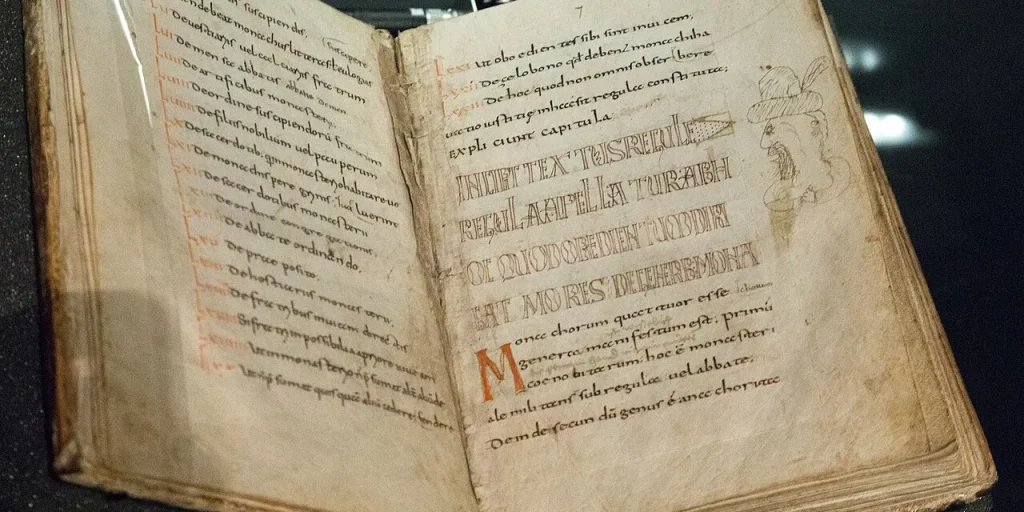
We scroll for hours through feeds of life hacks, weird folklore, and quick recipes. This short-form boom feels like a modern obsession. Yet the craving for random, bite-sized facts actually began centuries ago.


Long before the internet, English writer Thomas Lupton figured out how to capture public attention. He published a 1579 book that reads like a modern social timeline.
According to The Conversation, Lupton named his work A Thousand Notable Things. It featured around 1,000 randomized passages packed with eclectic advice.
Readers found tips on stopping wine from spoiling right next to a cake recipe. Just below, they might see an acne cure or a glass repair trick.
Magic and medicine
Some hacks were genuinely dangerous by modern standards. To cure insomnia, The Conversation reports that the text recommended applying toxic henbane seeds to the brow.


Other entries leaned into the occult. For readers who feared they were under a spell, the book prescribed hiding a feather filled with liquid mercury beneath their bedding.
Folklore also filled the pages, including a tale that robins blanket dead bodies in moss. Although those remedies sound strange today, Renaissance scholars treated many of them as advanced medicine.
Lupton pulled facts from top thinkers of the era. He relied most heavily on Antoine Mizauld, a Parisian medical scholar who served the French queen.
Surviving the centuries
The concept became a massive hit. Writing at the start of the book, Lupton explained why short snippets worked, noting that readers preferred “strangeness and variety” over getting “fed too long with one food” in single-topic volumes.
According to The Conversation, his work rode a European craze for instructional manuals that started in Italy. Those guides covered topics from alchemy to beekeeping.
That formula kept the text in print from Sir Francis Drake’s global voyage until 1827, when the first photograph was taken. Over 250 years, it saw at least 33 editions.
Few copies survive today, yet handwritten notes reveal how owners used them. Collector Frances Wolfreston underlined gout cures, while another reader marked remedies for heart trouble, toothaches, and insomnia.
Nothing really changes
One copy at the Wellcome Collection has few notes, yet someone flagged a bizarre tale. A German farmer died after severe side pain. A surgeon opened his body and found large wood chunks alongside four steel knives, an affliction blamed on the Devil.
Critics in the 16th century worried constantly about distraction and information overload, echoing modern warnings about digital brain rot. Still, Lupton took a brighter view. By turning Latin texts into plain English snippets, he unlocked knowledge that once required entire libraries.
This slice of history soon goes on display. Backed by Glasgow University and Germany’s Herzog August Library, Glasgow’s Mitchell Library will showcase the books from January to March 2027.



