
 Daniel Wolfram


The $22,000 deal went through a shell company using a blacklisted supplier’s cloned website.

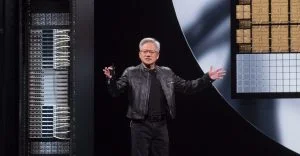
In June 2026, a Chinese state lab quietly secured a $22,000 hardware deal, Radio Free Asia reported. The buyer was the National Supercomputing Center in Jinan. Washington blacklisted and sanctioned that exact facility in 2021 over military ties.
Public procurement files reviewed by Radio Free Asia show the lab bought Nvidia RTX 5090 graphics cards and a DGX Spark desktop system. Under American rules, transferring regulated tech to this center requires a special license.
Even so, the deal went through just as Nvidia CEO Jensen Huang resigned amid a spy scandal involving a former Singapore cloud executive. Bloomberg News previously reported that around 50,000 Nvidia chips sold to that same firm went underreported.
Cloned company websites
The news site found overlaps between Qiyuan Jiasu and Sitonholy, a former Nvidia partner blacklisted by Washington in 2024. Both firms operate out of the same addresses in Tianjin and Beijing.


Even their websites match word for word. Both pages claim the company is “a leading artificial intelligence infrastructure solution provider” and list identical university clients in the very same order.
One China AI industry commentator told Radio Free Asia: “This is one company operating under two banners; Qiyuan Jiasu may be a new shell used after Sitonholy (Tianjin) Technology was placed on the Entity List.”
Thin enforcement ranks
Plugging these supply leaks is proving tough for American officials. Taiwan researcher Chris Tseng told Radio Free Asia that export rules follow the chips, even through local resellers.
“The broader issue is that current controls still rely heavily on corporate self-compliance,” Tseng said. Tracking where hardware ends up remains a major weak spot.
On the ground, watchdog staffing is remarkably thin. Policy analyst Sylvia Chen noted that the U.S. Commerce Department has just one export control officer stationed in Beijing, and only 15 worldwide.



