
 Kenneth Glad

Boarding a flight usually feels like stepping into a tightly guarded routine. Travelers expect human hands on the controls and seasoned experts watching every radar screen from takeoff to landing. That familiar sense of safety is changing fast.


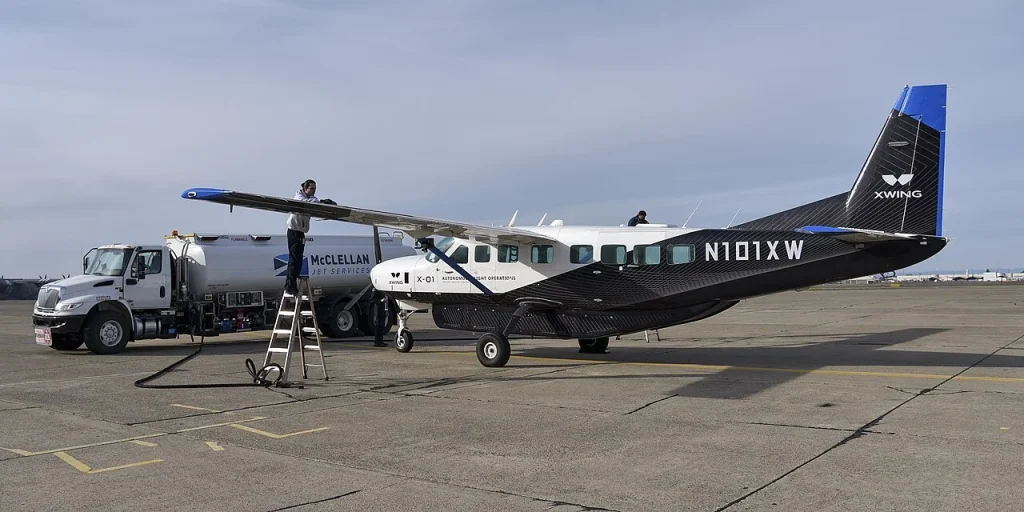
Artificial intelligence is rapidly entering the skies. In September, Joby Aviation flew a single-engine Cessna 3,200 miles from California to North Carolina without a human touching the controls, though a safety pilot did stay aboard.
Electric air taxis and delivery drones are scaling up too, according to Wired. Under a federal pilot program launched in March, Joby flew test routes between JFK Airport and Manhattan heliports, while Amazon plans drone deliveries at 500 sites by year’s end.
Behind the scenes, federal officials rolled out new air traffic software called SMART in September. Built by Air Space Intelligence, the tool uses predictive data to spot flight snags early.
Chaos sparks fresh doubts
Just weeks later, trouble hit. On Friday the 13th of October, a communications failure triggered a nationwide groundstop that snarled airline schedules worldwide, according to Wired.


Officials found no sign of a cyberattack or a SMART glitch. Still, Homeland Security Secretary Markwayne Mullin admitted on Friday night, “There’s nothing certain right now.”
Critics warn the push moves too fast. One retired FAA worker told Wired, “This is literally a Pandora’s box that we are going to regret.” Meanwhile, nearly two dozen Democratic lawmakers asked federal auditors to check if SMART could invent false safety data.
Fewer controllers on duty
Staffing cuts add to the tension. In May, the FAA lowered its active controller target from 14,633 to 12,563, pointing to modern scheduling tools.
Supporters say the gamble makes sense. Former Transportation Department inspector general Mary Schiavo told Wired, “I think the SMART program is an important improvement.”
Embry-Riddle professor Michael McCormick also backs predictive tools, telling Wired that spotting flight conflicts early takes less effort to fix.
Even so, aviation experts know machines struggle with rare emergencies that trained crews handle instinctively. As robot aircraft crowd busy corridors, regulators face a high-stakes test of trust.



