
 Jens Asbjørn Bøgen

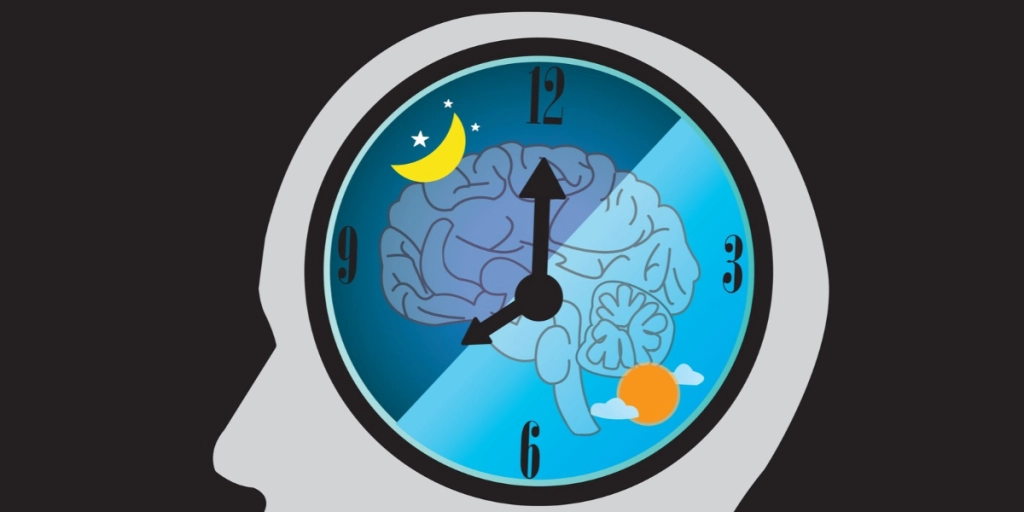
Most people worry about how many hours of sleep they get. Fewer ask when those hours happen.


Many tend to treat sleep as a numbers game: hit seven or eight hours, and the brain takes care of itself.
But a growing body of research in older adults is shifting the question from how long you sleep to how steady your 24-hour rhythm is, and the answer looks increasingly relevant to dementia risk.
A large study published in Neurology on December 29, 2025 found that older American adults with the weakest circadian rhythms were about two and a half times more likely to develop dementia than those with the strongest rhythms.
Researchers tracked 2,183 adults with an average age of 79, none of whom had dementia at the start. Over about three years of follow-up, 176 were diagnosed.


Participants were split into groups by the strength of their daily rest-activity cycle. In the weakest group, 106 of 727 people developed dementia. In the strongest group, only 31 of 728 did. Each standard-deviation drop in rhythm strength was linked to a 54% higher risk.
Timing, not just total hours
Timing of daily activity mattered too. People whose activity peaked at 2:15 p.m. or later had a 45% higher dementia risk than those peaking earlier in the afternoon.
“Changes in circadian rhythms happen with aging, and evidence suggests that circadian rhythm disturbances may be a risk factor for neurodegenerative diseases like dementia,” said lead author Wendy Wang of the Peter O’Donnell Jr. School of Public Health at UT Southwestern Medical Center, in the American Academy of Neurology announcement.
The findings fit an uncomfortable gap in official guidance. The 2024 Lancet Commission on dementia prevention listed 14 modifiable risk factors but concluded it could not make a sleep recommendation, citing the complexity of the evidence on duration.
Rhythm strength and timing were not on the list.
What actually resets the clock
One intervention keeps showing up in the data: regular daytime movement. A six-month trial of moderate aerobic walking in previously sedentary older adults found the program strengthened the daily rest-activity rhythm and sharpened its timing compared with a health-education control.
Morning light and morning activity in particular help anchor the clock. Sleep medications are a poor substitute: benzodiazepines have been tied to higher dementia risk in older adults, and melatonin shows inconsistent results in adults.
The stakes in the United States are large. The Alzheimer’s Association’s 2026 Facts and Figures report puts the number of Americans age 65 and older living with Alzheimer’s dementia at 7.4 million, or about 1 in 9 people in that age group, with projections rising to 13.8 million by 2050.



