
 Nicolai Haugsted

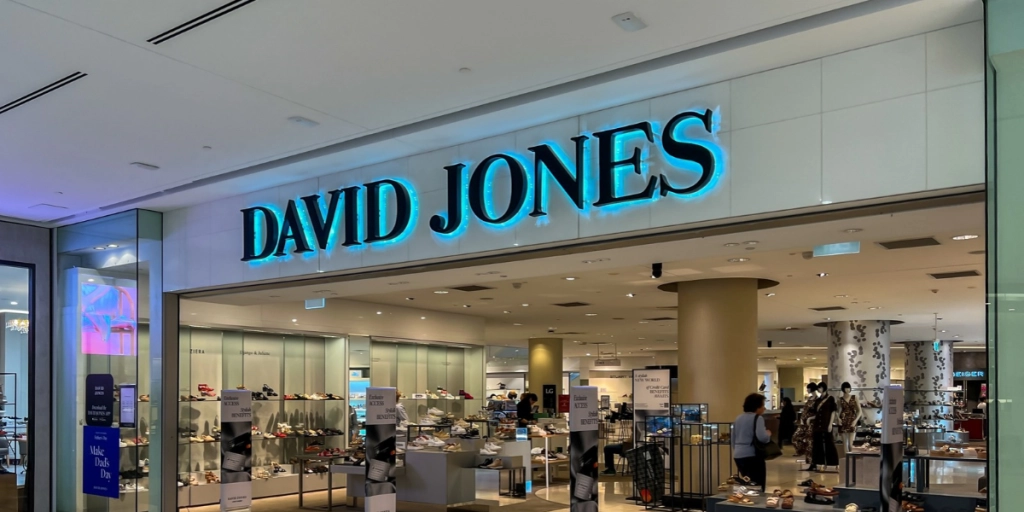
The historic luxury retailer collapses with more than $400 million in debt after 188 years in business.


For nearly two centuries, David Jones has been one of Australia’s most recognizable names in luxury shopping, selling everything from designer clothing to expensive cosmetics and homeware.
But behind the polished counters and carefully arranged displays, the financial situation has been considerably less glamorous.
Years of mounting losses, unpaid bills and deteriorating relationships with suppliers have pushed the historic department store chain into a crisis that now threatens its survival.
According to The Guardian, administrators have revealed that David Jones owes creditors more than $400 million, including millions in unpaid employee entitlements and substantial amounts owed to suppliers.


The figures emerged during a creditors’ meeting on Tuesday, offering the clearest picture yet of the financial difficulties facing the 188-year-old retailer.
And with Christmas approaching, the timing could hardly be worse.
More than $400 million in debt has been uncovered
Around 500 creditors attended the meeting, where administrators from McGrathNicol outlined the scale of the company’s financial problems.
The figures revealed a business carrying enormous liabilities across several parts of its operations.
Suppliers are owed approximately $180 million, while outstanding employee entitlements amount to an estimated $11 million.
Customers also have a significant financial stake in the company’s future.
Approximately $33 million remains tied up in unused gift cards, although David Jones continues to accept them while its stores remain operational.
Additional debts are owed to secured creditors, including Hilco, the retailer’s principal financier.
Altogether, the company’s liabilities exceed $400 million, raising serious questions about how much creditors will eventually recover.
For a retailer that built its reputation around premium shopping experiences, the contrast between its luxury image and its financial position is striking.
The company lost almost $300 million in just 16 months
The newly disclosed financial figures also demonstrate how rapidly David Jones’ position deteriorated before administrators were appointed.
During its most recent completed financial year, the retailer recorded a net loss of $228 million.
The following financial year offered little relief.
Over the first four months, leading up to the company’s collapse into voluntary administration in early November, David Jones accumulated another $69 million in losses.
Such sustained losses placed increasing pressure on the retailer’s ability to meet its financial obligations.
The company had already fallen behind on rent and payments to suppliers, creating further difficulties for a business dependent on maintaining reliable relationships with landlords and brands.
By early November, the situation had become serious enough for David Jones to enter voluntary administration.
The process now involves attempting to preserve as much of the business as possible while determining whether its finances can be stabilized.
Half of its department stores are facing closure
The financial crisis is already having significant consequences for the retailer’s physical presence across Australia.
David Jones is preparing to close approximately half of its 38 department stores by the end of the year as part of a sweeping restructuring.
That would leave the chain with roughly 19 locations, dramatically reducing a retail network that has been part of Australian shopping culture for generations.
The planned closures are also expected to result in widespread job losses.
Employees therefore face two separate uncertainties: whether their existing financial entitlements will be recovered and whether their jobs will survive the restructuring.
Administrators have identified approximately $11 million owed to employees, adding another major obligation to the company’s already substantial debt.
The closures are intended to reduce operating costs and give the remaining business a better chance of survival.
However, shrinking the store network will also reduce the retailer’s presence in a market where its historic name has long been one of its strongest assets.
Suppliers have been waiting months for their money
The company’s difficulties extend well beyond its own stores.
According to previous reporting by Guardian Australia, some suppliers have been waiting for payment for merchandise delivered as far back as April.
That means certain businesses had been supplying David Jones with products for months without receiving the money they were owed.
For smaller Australian brands, such delays can create serious financial problems of their own.
Unlike large international suppliers, smaller companies may have limited financial reserves to absorb unpaid invoices stretching across several months.
The approximately $180 million owed to suppliers therefore represents more than an accounting problem for David Jones.
It also raises concerns about the potential consequences for businesses that relied on the department store chain as a major retail partner.
The payment difficulties have damaged commercial relationships at precisely the moment when David Jones needs suppliers to continue delivering merchandise.
Christmas shopping has become another problem
The collapse comes at a particularly difficult point in the retail calendar.
The weeks leading up to Christmas are traditionally among the most important trading periods for department stores, with customers purchasing gifts, clothing, cosmetics and household products.
For David Jones, however, preparing for the holiday rush has become increasingly complicated.
Creditors were informed that the company’s financial pressures, combined with damage to its reputation, had affected its ability to secure merchandise for the Christmas shopping season.
Suppliers facing months of unpaid invoices may be reluctant to provide additional products without greater assurances that they will receive payment.
That creates a potentially damaging situation for the retailer.
Without sufficient stock, stores risk losing sales during a period when they would ordinarily expect strong customer demand.
Lower sales could then place even greater pressure on a business already struggling with substantial losses.
The company is therefore confronting a particularly awkward commercial problem: it needs a successful Christmas season to improve its financial position, but its financial difficulties are making that season harder to prepare for.
Administrators are searching for a way to save the business
Two separate firms have been appointed to manage different aspects of the crisis.
FTI Consulting has assumed responsibility for the retailer’s day-to-day operations, allowing the business to continue trading while restructuring efforts proceed.
Meanwhile, McGrathNicol is overseeing the administration process and exploring potential solutions to the company’s financial difficulties.
Those options include finding a buyer willing to acquire the business or securing a fresh injection of capital.
Either outcome would require convincing investors that David Jones can become financially sustainable despite its recent losses and substantial liabilities.
The planned store closures form part of the attempt to create a smaller, more manageable operation.
However, the financial figures presented to creditors demonstrate the scale of the challenge.
A potential investor would be examining a company with a historic brand, an established customer base and significant commercial recognition, but also a business that has accumulated hundreds of millions of dollars in debt.
The outcome will depend on whether the restructuring can restore confidence among suppliers, creditors and customers.



