
 Nicolai Haugsted

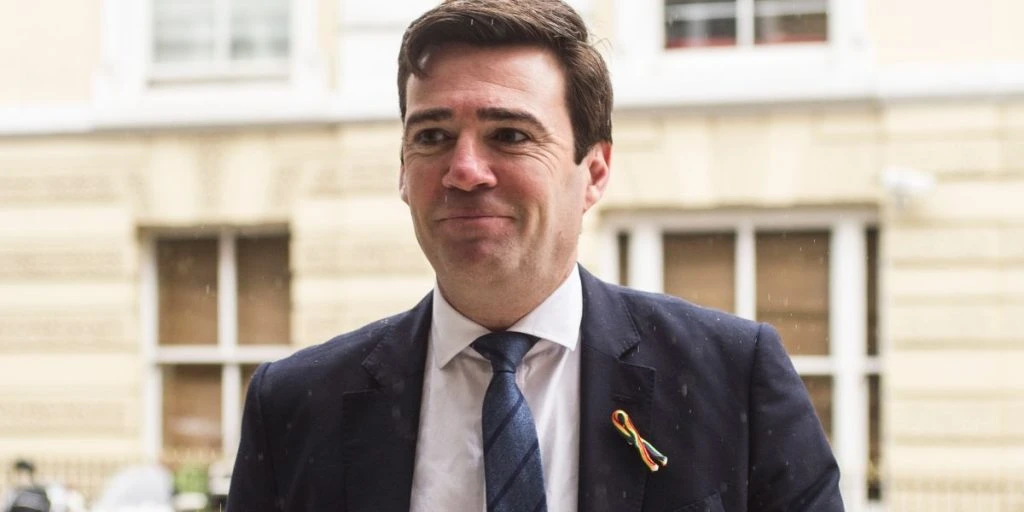
The British prime minister claims his new agreement with Brussels could help millions of families save money.

Britain’s complicated relationship with the European Union is once again causing political headaches in Westminster. After years of arguments over Brexit, the government believes it has found a way to improve relations with Brussels while delivering something voters might actually notice in their everyday lives.
Lower supermarket bills.
However, the latest agreement has already sparked a fierce political dispute, with opposition politicians demanding to know whether British taxpayers could end up paying an unexpected price.
According to Sky News, Prime Minister Andy Burnham is expected to address the House of Commons on Monday to defend his government’s new agreement with the EU, following criticism over its contents and the lack of immediate public disclosure.


The government estimates that the deal could add £17 billion to the British economy by 2030.
A multibillion-pound deal with a controversial catch
The agreement covers several areas, including agricultural exports, emissions trading and a programme designed to provide young people with opportunities to gain experience abroad.
Perhaps its most immediate economic benefit would come from removing most checks and restrictions on British food and agricultural products entering the EU.
Ministers argue that reducing bureaucracy and trading costs could eventually make groceries cheaper for British households.
However, questions have emerged over whether the entire agreement depends on Britain significantly reducing university tuition fees for students from EU countries.
Government ministers have denied that such a condition exists, but the controversy has provided the Conservatives with fresh ammunition.
Conservative leader Kemi Badenoch has accused Labour of failing to disclose the full terms of its negotiations.
“What has Burnham agreed and what is he not telling us?” she wrote on X.
Badenoch also argued that the prime minister should focus on the high interest rates affecting British student loans rather than potentially requiring taxpayers to subsidise European students attending British universities.
Will British families actually save money?
Burnham is expected to promote the agreement’s economic benefits during a visit to a Morrisons supermarket in Kent on Monday, where he will meet the company’s chief executive.
The prime minister has presented the deal as an opportunity to reduce costs for businesses while easing financial pressure on households.
“We’re cutting the cost of doing business, backing British companies to grow and taking pressure off the cost of food for families at the checkout,” he said ahead of the visit.
Several supermarket executives have welcomed the agreement, although the prospect of noticeably cheaper groceries remains uncertain.
Conservative deputy leader Alex Burghart told Sky News that he doubted relatively minor reductions in business costs would translate into meaningful savings for shoppers.
Even Foreign Secretary Ed Miliband was reluctant to provide a concrete estimate when questioned on Sunday about how much food prices might fall.
The government has therefore attached considerable economic expectations to an agreement without establishing exactly what the average household might save.
Labour and the Conservatives clash over Brexit’s legacy
Beyond the immediate questions surrounding university fees and food prices, the dispute reflects the continuing political divisions over Britain’s relationship with the EU.
Labour believes closer cooperation with Brussels can remove unnecessary trade barriers and strengthen the economy without reversing Brexit.
The Conservatives, meanwhile, are questioning whether the government has made concessions that have not yet been fully explained to Parliament.
Labour has dismissed the criticism, accusing the opposition of defending the shortcomings of the original Brexit arrangements rather than acknowledging their economic consequences.
Monday’s parliamentary statement will give Burnham an opportunity to explain the agreement in greater detail and respond directly to questions about its potential costs.



