
 Nicolai Haugsted

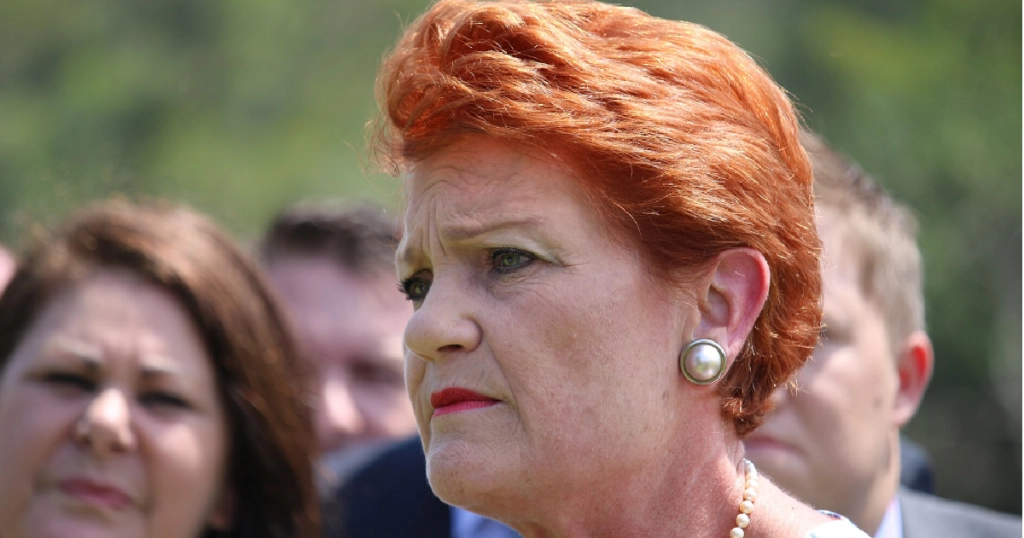
Australia’s rising cost of living is driving frustrated voters away from traditional political parties.


Australia’s political landscape is undergoing a significant transformation as financial pressures increasingly influence how voters view the country’s established political parties.
Years of rising living costs and limited wage growth have left many Australians questioning whether their elected representatives are capable of addressing the problems affecting their everyday lives.
That frustration is now presenting an opportunity for a political party that has spent much of the past three decades on the fringes of Australian politics.
According to Reuters, Pauline Hanson’s right-wing populist party One Nation is preparing for one of its most significant electoral tests when voters in Victoria head to the polls on Saturday, November 28.


The election could provide an indication of whether the party’s growing popularity can translate into meaningful political influence ahead of Australia’s next federal election in 2028.
Former Labor voters are looking elsewhere
For some Australians, the decision to abandon traditional political parties has less to do with ideological disagreements and more to do with their personal finances.
Among them is Joe Aprile, who runs a family-owned business specialising in restoring classic cars in the Macedon Ranges north of Melbourne.
Aprile supported Labor at the previous state election but intends to vote for One Nation this time around.
He believes rising business expenses, excessive bureaucracy and taxation are making it increasingly difficult to keep his company afloat.
“Land taxes are the biggest strain because we own the building we work from – we are getting crushed,” he told Reuters.
His concerns reflect a broader sense of economic dissatisfaction that analysts believe is contributing significantly to One Nation’s growing popularity.
Although the party has traditionally attracted attention for its opposition to immigration, research suggests financial concerns have become an increasingly important motivation for its supporters.
Economic frustration is reshaping Australian politics
Victoria, Australia’s second most populous state, has been governed by the centre-left Labor Party for 12 years.
However, the government faces mounting criticism over living costs, employment opportunities and the state’s financial position.
Victoria’s debt increased by 60% following policies introduced during the pandemic, while Melbourne endured what was described as the world’s longest COVID-19 lockdown.
The state government has defended its economic record, arguing that it has protected essential public service jobs while pursuing targeted spending reductions.
Nevertheless, polling conducted by Accent Research indicates that the cost of living ranks above immigration among One Nation supporters, with the party attracting particularly strong support in suburban areas on the outskirts of major cities.
Shaun Ratcliff, principal of the polling firm, believes years of disappointing wage growth, expensive housing and rising rents have created conditions in which populist parties can attract dissatisfied voters.
“These economic pressures certainly provide a more favourable environment for populist parties,” he explained.
Further financial difficulties could lie ahead, according to economists.
Australia’s five interest rate increases this year have yet to exert their full impact on household finances, with the consequences potentially becoming more apparent over the next 12 to 18 months.
Pauline Hanson seeks influence beyond the political fringes
Founded in 1997, One Nation initially built its political identity around opposition to Asian immigration.
Despite remaining a recognisable presence in Australian politics, the party has never secured legislative power at either state or federal level.
Its performance at the May 2025 federal election was relatively modest, attracting just 6% of the vote.
Since then, however, national opinion polls have recorded a substantial increase in support for the party.
Saturday’s election in Victoria will offer an opportunity to assess whether that support translates into parliamentary representation.
One Nation currently holds just one of the 88 seats in Victoria’s lower house. Additional seats could give the party greater influence over legislation, particularly if neither of the established political blocs secures a parliamentary majority.
Warren Pickering, One Nation’s Victorian leader, attributes the party’s growing appeal to dissatisfaction with the government’s economic management and frustration with the traditional conservative opposition.
The party has also recorded encouraging results in South Australia and several recent by-elections.
Economic concerns give Hanson a new political opening
Pauline Hanson’s growing prominence has also been reflected in Australia’s media coverage.
Research prepared for Reuters by Queensland University of Technology researcher Klaus Groebner found that Hanson was among the most frequently mentioned Australian politicians on News Corp’s cable news channel News24 between May and October.
Her visibility is particularly notable given One Nation’s limited representation in the federal parliament.
Simon Copland, a researcher at the Australian National University who has studied the party, believes Hanson’s recent success stems from connecting her political messaging with issues Australians are experiencing themselves.
“Hanson has become more successful … where she’s able to really tap into something that is going on in Australia rather than just copying what Donald Trump is doing and trying to do it here,” he said.
The Victorian election will therefore be closely watched beyond the state’s borders.



