
 Anna Hartz

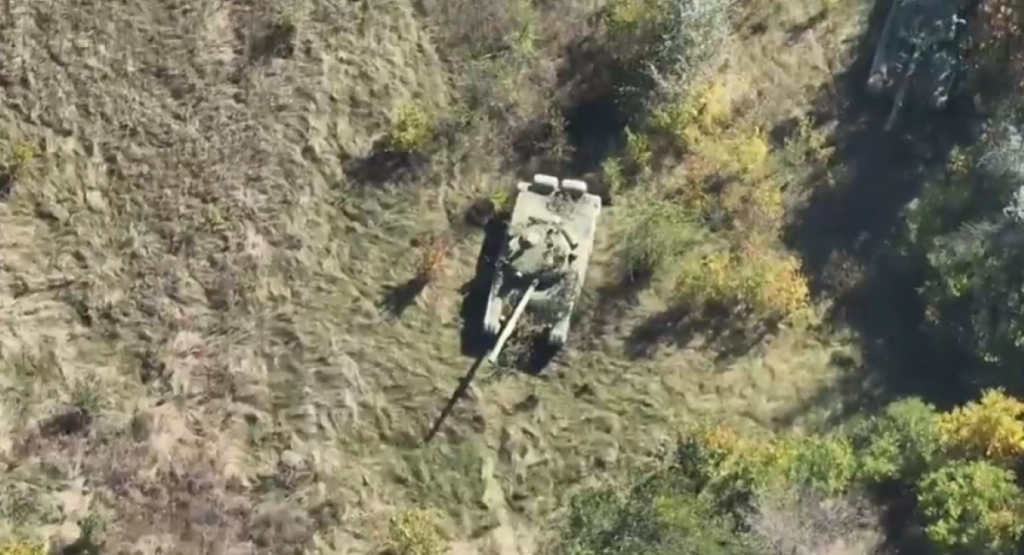
Russia is deploying cheap, Chinese-made inflatable fighter jets, tanks, and air defense systems to trick Ukrainian reconnaissance. Complete with fake heat and radar signatures, these blow-up replicas are designed to draw costly precision missiles away from real military targets.

Battlefield deception is as old as warfare itself. Armies have used wooden cannons and dummy tanks for generations to fool enemy scouts. Modern drone warfare has made hiding massive weapons harder than ever.
Cameras now watch the sky around the clock. When real armor cannot hide the smartest move is building convincing fakes. Russia has taken that classic tactic to a surprisingly cheap level in Ukraine.
Cheap Chinese decoys online
An investigation by The Telegraph on November 24 reveals that Moscow is deploying inflatable replicas of fighter jets and tanks and air defense systems.
Many of these blow-up decoys come from Chinese manufacturers, reports United24Media. Journalists found listings on Chinese and Russian online marketplaces offering fake artillery and missile launchers for just a few hundred dollars. Real military jets cost millions to build.


One prominent supplier is a Chinese company called Gauss. The firm markets inflatable aircraft and shelters designed to fool modern sensors.
These replicas mimic the thermal heat and radio-frequency signatures of genuine weapons. Enemy operators using radar or infrared cameras struggle to tell the fakes apart.
Simulated heat inside inflatable hangars even creates the illusion that real vehicles sit hidden beneath.
Military analysts say the strategy solves a major battlefield headache. Royal United Services Institute researcher Robert Tollast noted that factories can mass-produce rubber decoys far faster than real hardware.
A waste of valuable time and artillery
Carnegie Endowment expert Michael Kofman explained that widespread drone reconnaissance leaves large weapons exposed. Fake targets force Ukrainian crews to waste valuable time and scarce precision missiles.
Russia bought domestic decoys from local producer Rusbal before the invasion and spent at least 48 million rubles in 2021. Chinese suppliers offer much lower prices and advertise custom orders.
Customs data shows Russia imported nearly 122 million dollars in goods under a category covering both military decoys and civilian inflatables.
That trade total includes camping gear and sporting goods. Still researchers have already documented Chinese military decoys inside Russia.
Ukraine also uses wooden replicas to trick Russian drones. A Russian strike recently hit a fake Ukrainian F-16 at Kanatove airfield. Meanwhile Russian troops deploy fake logs and brick-patterned nets to hide antennas from overhead cameras.



