
 Nicolai Haugsted

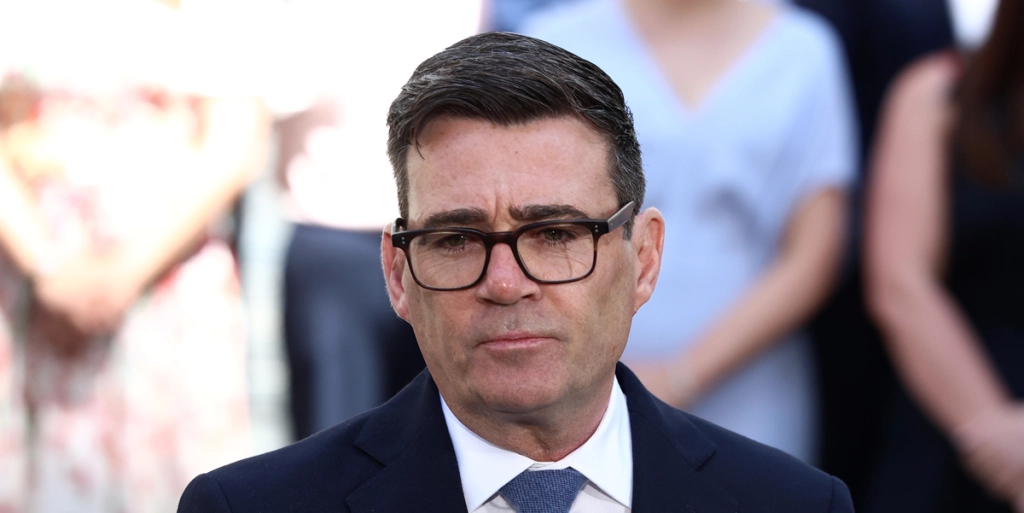
Andy Burnham has promised to uncover the truth behind decades of allegations surrounding Britain’s nuclear weapons testing programme.


Britain’s pursuit of nuclear power during the Cold War came at a potentially devastating personal cost for thousands of military personnel. Decades after serving their country, many veterans and their families are still searching for answers about the consequences of the assignments they were given.
Their campaign for greater transparency has survived successive governments, legal setbacks and repeated denials from the Ministry of Defence. Now, however, Downing Street has committed itself to examining allegations that have remained unresolved for generations.
According to the BBC, Prime Minister Andy Burnham has announced the establishment of an independent panel to investigate the potential long-term health consequences of Britain’s nuclear weapons testing programme during the 1950s and 1960s.
The investigation will also examine allegations that military authorities withheld crucial medical information from veterans and their families.


Speaking to campaigners at Downing Street on Tuesday, Burnham promised that the government would approach the investigation with the seriousness it deserved and work towards delivering answers as quickly as possible.
“Obviously, I do not know what the full truth will be, but we will get it.”
Veterans have spent decades demanding answers
Britain conducted numerous nuclear weapons tests in Australia and the South Pacific during the early years of the Cold War, relying on military personnel to support its rapidly developing atomic programme.
Many of those involved have subsequently described working under conditions that they believe exposed them to dangerous levels of radiation.
Veterans have recalled witnessing nuclear explosions without adequate protective equipment, flying through radioactive clouds and spending extended periods in areas they suspect were contaminated.
Their concerns extend well beyond their own health.
Numerous families have reported cancers, fertility problems and hereditary illnesses that they believe may be connected to radiation exposure during the testing programme.
Among those who shared their experiences with BBC Newsnight was John Morris, who worked as a laundry operator at a nuclear testing site. Morris later developed cancer and lost his four-month-old son, both of which he believes were connected to his military service.
“Seventy-two years ago I was an 18-year-old, sent to Christmas Island, totally unaware of what I was being led into.”
Other veterans have expressed frustration that successive governments have failed to provide a comprehensive account of what happened, with many campaigners dying before receiving the answers they had spent much of their lives pursuing.
The battle over missing medical records
Much of the controversy surrounding Britain’s nuclear testing programme concerns the availability of historical medical documentation.
Campaigners have repeatedly accused the Ministry of Defence of withholding records, including blood and urine test results, that they believe could help establish whether military personnel suffered radiation-related health complications.
The department has consistently denied concealing the health consequences of the testing programme.
It has also pointed to several scientific investigations, including research conducted by Brunel University in 2022, which found no increased health risks among personnel involved in the tests.
Veterans and their families, however, remain unconvinced that the available evidence tells the complete story.
Some official documents were released in July 2026, although the Ministry of Defence acknowledged that certain records may have been accidentally destroyed three years earlier.
The department has also explained that strict security measures surrounding Britain’s nuclear programme meant that medical information was never consolidated into a central military database, complicating efforts to reconstruct individual health records.
Burnham had previously expressed considerable scepticism about the department’s handling of the controversy, accusing authorities of concealing information on an extensive scale before he became prime minister earlier this year.
The Ministry of Defence will be kept at arm’s length
The newly announced investigation will follow the model established by the Hillsborough Independent Panel, which examined the circumstances surrounding the 1989 football stadium disaster and the subsequent handling of the tragedy.
James Jones, the former Bishop of Liverpool who chaired that investigation, will also oversee the examination of Britain’s nuclear testing legacy.
Defence Secretary Wes Streeting has acknowledged that confidence in the Ministry of Defence among veterans and their families remains extremely low.
Consequently, the department will have no involvement in establishing the independent panel or determining the scope of its investigation.
Streeting also recognised that the announcement had come painfully late for many of those affected.
“It’s taken too long to get here and I think today of the people who haven’t lived to see this moment – and I fear for the people who might not see the outcome.”
Whether the investigation could eventually result in financial compensation remains unclear.
Streeting declined to commit the government to compensation before the panel has completed its work, although he acknowledged that its conclusions could prove uncomfortable for the authorities.



