
 Nicolai Haugsted

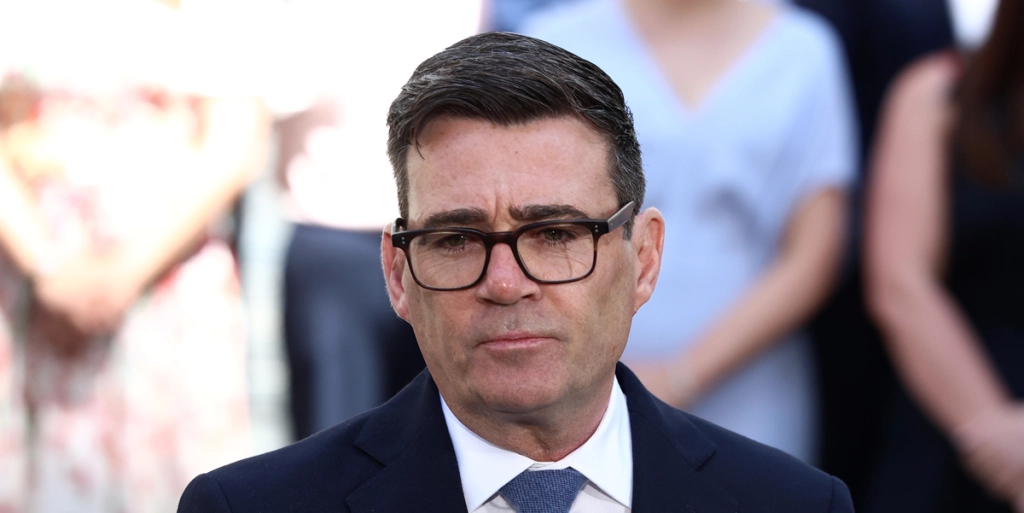
Andy Burnham has refused to apologise for engaging with social media influencers despite controversy surrounding a recent Downing Street reception.


Andy Burnham refuses to apologise for influencer strategy after controversial Downing Street videos
Social media has transformed the way politicians communicate with the public, giving political leaders an opportunity to reach audiences who rarely tune into traditional television interviews or pick up a newspaper.
British Prime Minister Andy Burnham has embraced that development since entering office in July, making online content creators part of his government’s communication strategy.
However, inviting internet personalities into the political establishment comes with certain risks, particularly when their content attracts attention for reasons that have little to do with government policy.


According to Reuters, Burnham has defended his decision to engage with social media influencers following widespread criticism of videos produced during a recent reception at Downing Street.
The prime minister acknowledged that one particular video was inappropriate but refused to apologise for his broader approach to reaching younger audiences.
Controversial video sparks political dispute
Approximately 60 content creators attended the recent Downing Street reception, but some of the material subsequently published online has generated considerably more attention than the event itself.
Among those attending was social media personality Max Balegde, whose real name is Max Trobe.
The influencer uploaded a video recorded outside Downing Street in which he lip-synced to a viral song containing explicit slang relating to female anatomy and menstruation.
Following a wave of criticism, Trobe removed the video and issued an apology.
Conservative Party leader Kemi Badenoch subsequently raised the controversy in parliament, demanding that Burnham apologise for allowing such content to be filmed outside the prime minister’s office.
She described the video as “disgusting and pejorative” and accused Burnham of undermining the dignity of his position.
Although the prime minister agreed that the video was unacceptable and welcomed its removal, he drew a distinction between the individual incident and his government’s wider communication strategy.
“But I won’t apologise for engaging with people who young people… themselves are looking to for their information,” Burnham told lawmakers.
Downing Street gets the Hollywood treatment
Trobe was not the only content creator whose visit to Downing Street attracted criticism.
Another influencer used the opportunity to recreate a famous staircase scene from the romantic comedy Love Actually, bringing a touch of cinematic nostalgia to one of Britain’s most recognisable political addresses.
Badenoch, however, was considerably less enthusiastic about the performance.
The Conservative leader accused Burnham of preferring comfortable interactions with social media personalities over challenging interviews with professional journalists.
Her criticism reflects a broader debate surrounding the prime minister’s relationship with traditional media organisations.
Political opponents and some journalists have accused Burnham of avoiding scrutiny by prioritising engagement with influencers, whose content does not necessarily follow the same editorial standards or interview practices as established news outlets.
For Burnham, however, the changing media habits of younger generations provide a compelling reason to engage with alternative platforms.
Burnham challenges the influence of traditional media
Earlier this month, the prime minister argued that established media organisations no longer possess the same ability to shape public opinion that they once enjoyed.
His willingness to engage directly with online personalities reflects an attempt to adapt government communication to an increasingly fragmented media landscape.
During his exchange with Badenoch, Burnham accused the Conservative leader of dismissing the importance of social media creators and their audiences.
“She sneers at TikTokers, she sneers at influencers. Young people are looking to these people for their information,” Burnham said.



