
 August M

Russian officials insist the country remains on course, but analysts say pressure is mounting beneath the surface. Economic strain, battlefield limits, and growing social tension are converging in ways that could leave the Kremlin dangerously exposed next year.
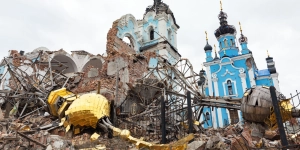

Several experts argue that time is no longer on Moscow’s side, reports LA.LV.
Economic weak point
According to Ukrainian outlet 24tv.ua, analysts believe Russia’s most serious vulnerabilities lie in its economy, with knock-on effects across society and the war effort.
Jamie Shea, Senior Fellow for Peace, Security and Defence at Friends of Europe and a former NATO deputy secretary general, said Russia is likely to be in a “very weak position” in 2026.
“The economy has begun to decline due to inflation and high interest rates. Russia now earns much less from oil and gas exports, and Putin will receive even less in the future. It is oil and gas exports that power Russia’s military machine,” Shea said.


He added that sanctions are starting to bite, particularly in high-tech sectors and raw materials, pointing to the detention of Russian “shadow fleet” vessels worldwide.
“This should be bad news for Putin. Moreover, Russia is recruiting completely uneducated and naive soldiers from Africa and Syria.”
Last arguments
Russia has intensified attacks on Ukraine’s energy infrastructure during winter, a strategy publicist Yuri Bogdanov described as driven by urgency rather than strength.
“Putin is so irritated and therefore exacerbates the situation because he is running out of time. He has fewer and fewer resources left to continue the war and maintain the pace at the front. He understands that if he cannot break the army, he must break the rear,” Bogdanov said.
He noted that history offers few examples where terror against civilians broke resistance, citing Germany’s bombing of London and U.S. actions during the Vietnam War.
“The main thing for us now is to withstand this pressure and understand that the Russians are actually using their last arguments,” Bogdanov said, adding that Russia’s battlefield advantages are steadily eroding.
Pressure at home
Inside Russia, political analyst Igor Chalenko warned of worsening domestic instability as taxes rise and small and medium-sized businesses face closures.
“Small and medium-sized businesses… often form opinions about the central government and Putin in particular,” Chalenko said, predicting growing dissatisfaction far from Moscow.
He cautioned that closures could fuel unemployment, local unrest, and even protests, especially in remote regions already under economic stress.
Mounting strains
The publication also points to problems in civil aviation due to sanctions, rising military losses, and growing mental health pressures. According to DSM Group, demand for antidepressants in Russia has surged, with 22.3 million packages sold in 2025.
Analysts say taken together, these trends suggest that if the war drags on, 2026 could become a turning point Russia is ill-prepared to face.
Sources: LA.LV, 24tv.ua



