
 Kenneth Glad
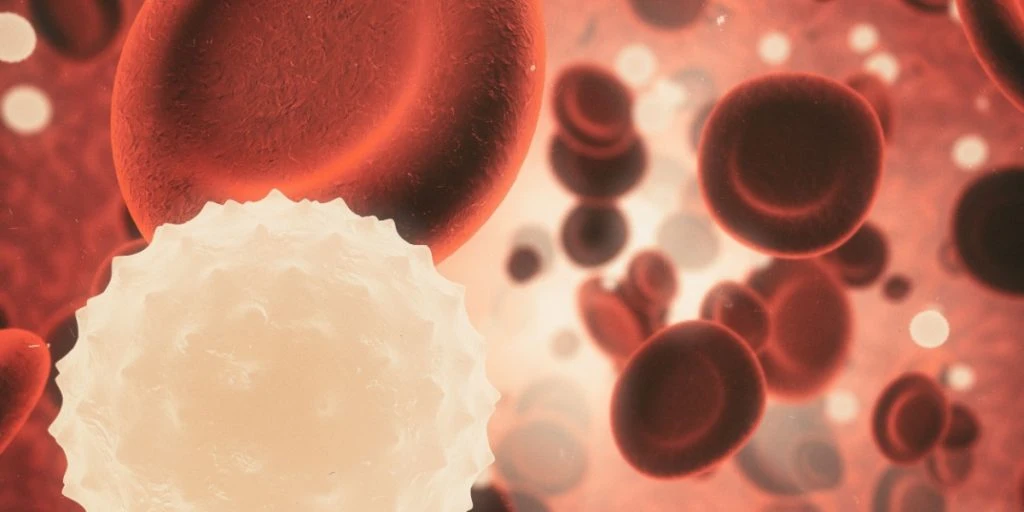
Researchers are zeroing in on the body’s defense system as a potential driver of longer, healthier lives. As the U.S. population ages, scientists are racing to understand whether strengthening immunity could delay chronic disease and ease mounting healthcare pressures.


A study by Stanford University researchers, referenced by Eric Verdin — president and CEO of the Buck Institute for Research on Aging in Novato, California — in an interview with the San Francisco Chronicle, found that organs age at different speeds. Two systems emerged as the strongest predictors of mortality: the brain and the immune system.
The finding is helping redirect research dollars and clinical attention toward immune decline, an area once overshadowed by flashier promises of anti-aging breakthroughs.
Inside the lab
At the Buck Institute for Research on Aging, trays of cultured cells sit beneath bright lab lights while researchers in white coats move between microscopes and computer screens. Through wide windows, the green Marin County hills frame the campus, a calm backdrop to experiments probing why bodies falter over time.
Verdin has watched the field’s vocabulary evolve alongside public interest. “We used to talk about studying aging, and everybody said that was a downer, no one wants to hear about old people and aging,” he told the Chronicle. “So then it became longevity.”


The shift is more than branding. In recent years, federal agencies and private investors have poured billions into longevity-focused startups and trials aimed at extending “health span,” the years lived without major disease, rather than simply stretching lifespan at any cost.
Why immunity matters
Immune cells are constantly on patrol, circulating through blood and tissue, responding to threats and clearing damage. When that system loses balance with age, inflammation can simmer in the background for years, quietly increasing the risk of heart disease, cancer and neurodegeneration.
“It’s a distributed organ,” Verdin said of the immune system. “When your immune system goes awry, it’s affecting every organ.”
In 2023, researchers publishing in the journal Nature Medicine outlined how biological age markers tied to immune function predicted disease risk more accurately than chronological age alone, adding momentum to the idea that immune resilience is central to longevity science.
The promise is sweeping. The proof is still emerging.
Some scientists, including University of Illinois Chicago gerontologist S. Jay Olshansky, have argued in peer-reviewed research that targeting underlying aging processes could delay multiple diseases at once. Others caution that translating those insights into safe, scalable therapies may take decades, and that early enthusiasm can sometimes outrun the evidence.
Daily choices
Scroll through social media and you will find powders, pills and “immune-boosting” regimens marketed as shortcuts to vitality. Inside research labs, the advice is far less glamorous.
“We mainly don’t eat enough fiber — that’s a huge one. We could probably eat five times more fiber,” Verdin said. He has also warned that attempts to reset the gut microbiome with probiotic supplements often fall short of marketing claims.
Exercise remains a cornerstone. Not extreme workouts. Sustainable ones. When asked about the ideal routine, Verdin has said the best exercise is the one a person can maintain over time, because consistency, boring as it sounds, tends to outperform bursts of intensity that fade after a few weeks.
A demographic reckoning
By 2030, all baby boomers will be over 65, meaning one in five Americans will be retirement age, according to U.S. Census Bureau projections. Age-related diseases already account for most U.S. healthcare spending, a reality that has sharpened interest in prevention.
“You cannot change what you cannot measure,” Verdin said in the Chronicle interview, referring to emerging tools that estimate biological age and track how quickly someone is aging.
Whether those measurements will meaningfully compress disability remains uncertain. But as the population grows older, the immune system — once a supporting character in aging research — is moving to the center of the story.
Sources: San Francisco Chronicle interview with Eric Verdin; Stanford University research; Nature Medicine; U.S. Census Bureau; University of Illinois Chicago research on biological aging



