
 Kenneth Glad
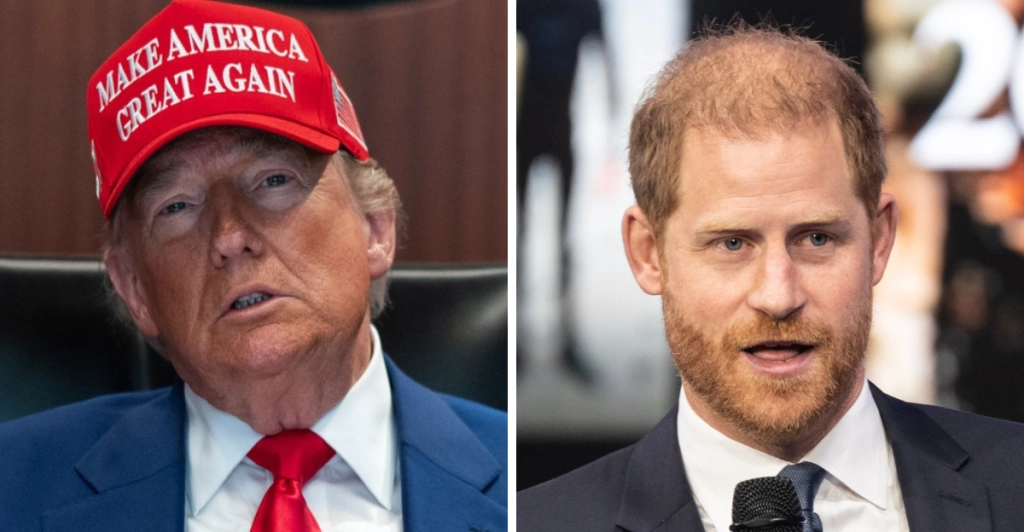
International reactions continue to unfold as public figures weigh in on a major ongoing conflict. The situation highlights the broader conversation around influence, accountability, and global discourse.


Prince Harry’s latest intervention on the war in Ukraine has prompted a pointed response from Donald Trump, underscoring the delicate line the duke walks as a royal figure speaking on global affairs.
According to the Daily Mail, the exchange followed Harry’s visit to Ukraine, where he met humanitarian workers and spoke about international responsibility in the ongoing conflict.
Trump dismissed the duke’s remarks outright, saying: “Prince Harry is not speaking for the UK, that’s for sure.”
He went further, adding: “I think I am speaking for the UK more than Prince Harry,” before softening his tone with: “I appreciate his advice very much.”


Political tensions rise
The reaction highlights a broader issue: Harry no longer represents the British government or monarchy in any official capacity, yet his global profile ensures his words still carry political weight, particularly when directed at allies such as the United States.
During an appearance at the Kyiv Security Forum, Harry called on American leadership to stand by its commitments to Ukraine. He framed his appeal around past security assurances, arguing that US involvement remains central to the country’s future.
At the same time, he pushed back against criticism of his own position. Reflecting on his role since stepping back from royal duties in 2020, widely known as “Megxit,” he rejected the idea that he has been cut off from the institution entirely. “I will always be part of the Royal Family,” he said.
Defining his role
While no longer a working royal, Harry presented his current work as a continuation of public service rather than a departure from it.
He described his efforts as something he was “born to do,” pointing to his long-standing involvement in charitable causes.
The Ukraine trip itself focused heavily on The Halo Trust, the landmine clearance organisation associated with Princess Diana.
His visit mirrored her widely publicised trip to Angola in 1997, which helped bring international attention to the dangers posed by unexploded mines.
Harry also addressed the wider climate of global conflict, arguing that fear of political backlash should not prevent people from speaking openly.
He said individuals must feel able to “speak truth to power,” while warning that ongoing wars amount to “a humanitarian catastrophe in multiple parts of the world.”
He acknowledged personal concern about the future, adding: “The future does look bleak.”
The episode illustrates how Harry’s post-royal role continues to evolve. His humanitarian work remains central, but his willingness to comment on geopolitical issues increasingly draws him into contested territory, where influence and authority are not always aligned.
Sources: Daily Mail



