
 Anna Hartz
Energy crises often hit the poorest countries the hardest.
Others are reading now


When fuel prices rise, everyday life can quickly become more difficult. Transport slows down. Electricity becomes unreliable. People are forced to spend more money on basic needs. That is exactly what is happening now in parts of Africa and Asia, where access to oil and gas has become more expensive and uncertain.
The closing of the Strait of Hormuz
Recent tensions in the Middle East have made the situation worse. Iran has closed the Strait of Hormuz, a key route for global oil trade, reports DR. Around 20 percent of the world’s oil passes through this narrow waterway. As a result, supply has been disrupted and prices have increased. In several countries, this has led to long lines at gas stations and frequent power cuts.
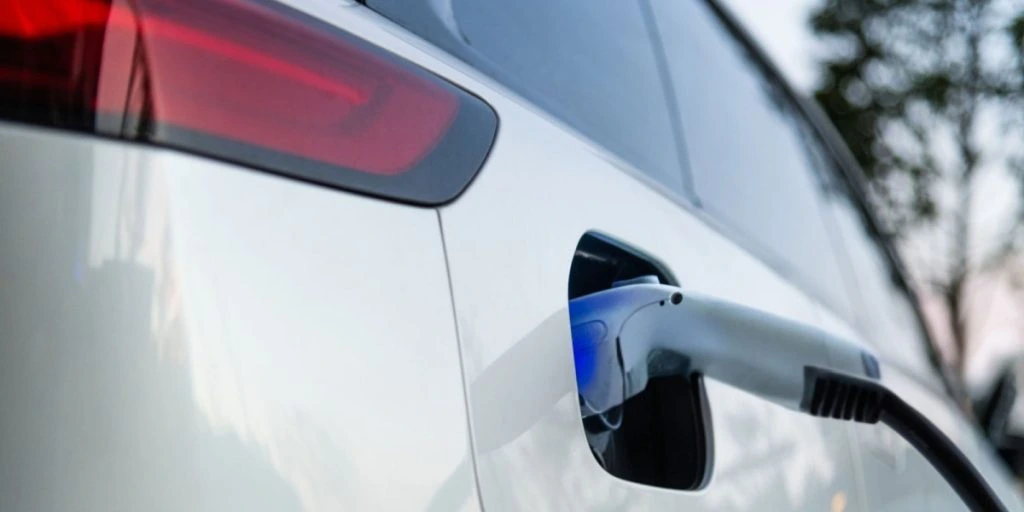
One country trying to respond differently is Ethiopia. Instead of relying on imported fuel, the government is pushing for a shift to electric vehicles. Two years ago, Ethiopia banned the import of new petrol and diesel cars. The goal is to reduce dependence on oil and protect the economy from price shocks.
Ethiopia produces most of its electricity from renewable sources, especially hydropower. This gives the country an advantage. Charging electric vehicles is cheaper and more stable than buying imported fuel. Officials say this approach also helps reduce air pollution in cities like Addis Ababa.


Large import of electric vehicles
The transition is already underway. By the end of 2025, Ethiopia had imported around 100,000 electric vehicles. This was much faster than expected. The government now aims to reach 500,000 electric vehicles by 2030.
Still, the plan faces challenges. Nearly half of the population does not yet have access to electricity. Charging infrastructure is limited, with only a small number of stations currently available. Expanding the power grid and building more chargers will take time and investment.
Cost is another issue. Many people cannot afford a car at all. However, officials believe prices will continue to fall, especially as more affordable models enter the market.
Despite these difficulties, Ethiopia sees electric vehicles as a practical solution. It is not only about climate goals. It is also about saving money, improving energy security, and reducing reliance on imported oil.



