
 Asger Risom

Rumors are currently circulating in Washington that President Trump is preparing to allow Chinese electric vehicles into the US market following an upcoming summit with Xi Jinping.
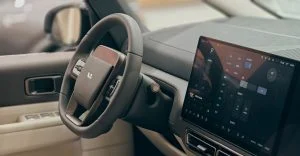

Rumors are currently circulating around Washington that President Trump is preparing to allow Chinese electric vehicles into the American market.
The unverified claims center around a high-stakes meeting between Trump and Chinese President Xi Jinping scheduled for September 24th. According to a recent report from InsideEVs, this controversial policy reversal would mark a major shift for an administration that aggressively restricts foreign trade.
U.S. Senator Elissa Slotkin sparked the conversation by claiming this sudden pivot is part of a larger international trade deal currently under negotiation. She dropped the unsubstantiated rumor on social media this week, warning that opening America’s borders to cheap automotive imports would be a strategic disaster. The White House has refused to comment on the claims or confirm whether foreign vehicles are officially on the summit agenda.
Slotkin has a deep political interest in keeping these vehicles out of the country before the meeting even takes place. She recently co-authored the Connected Vehicle Security Act, a bipartisan bill designed to permanently ban any vehicles or software originating from Chinese manufacturers. If Trump actually strikes a deal with Xi, it would derail her legislative efforts right as they gain momentum in the Senate.


Washington’s Mixed Messaging
A sudden pivot toward welcoming Chinese automakers would directly contradict the current administration’s aggressive crackdown on foreign automotive technology. Just this week, Transportation Secretary Sean Duffy publicly slammed Ford for building a Michigan battery plant using licensed technology from Chinese giant CATL. The Department of Transportation actively demanded that the historic American automaker sever its foreign ties, citing severe national security concerns.
Ford executives forcefully pushed back against the federal pressure, arguing they need global partnerships to remain competitive against international rivals. The company insists the Michigan facility is entirely American-owned and operated, dismissing Duffy’s public rebuke as a desperate attempt to grab headlines. This chaotic public dispute proves that Washington is currently struggling to maintain a unified front on how to handle the global automotive supply chain.
However, Trump himself has previously signaled a willingness to negotiate with foreign automakers under very specific domestic conditions. During a speech at the Detroit Economic Club earlier this year, he explicitly stated that he would welcome Chinese companies as long as they build their factories directly on American soil. If foreign executives are willing to hire American workers and manufacture locally, the administration might actually be willing to open the border.
The Geopolitical Stakes
The upcoming September 24th meeting between Trump and Xi is setting up to be a historic geopolitical showdown over energy and trade. Chinese electric vehicles are currently flooding into consumer markets across Europe, Mexico, and Canada at a truly staggering pace. It is virtually impossible for the two leaders to sit down without discussing the rapidly expanding global footprint of China’s aggressive automotive empire.
American automakers are watching this summit closely as they struggle to compete with heavily subsidized foreign imports.
Allowing brands like BYD or Xiaomi into the domestic market would immediately trigger a brutal price war that Detroit is unprepared to fight. Legacy brands are already losing billions on their electric divisions and simply cannot afford a sudden influx of cheap foreign competition.
Ultimately, everyday consumers are caught right in the middle of a fierce political tug-of-war over the future of affordable transportation. While politicians constantly cite national security risks, average buyers are simply looking for a reasonably priced electric vehicle that does not require a luxury budget. The upcoming summit will likely determine whether Americans finally get access to global models or remain locked behind a strict protectionist wall.



