
 Asger Risom
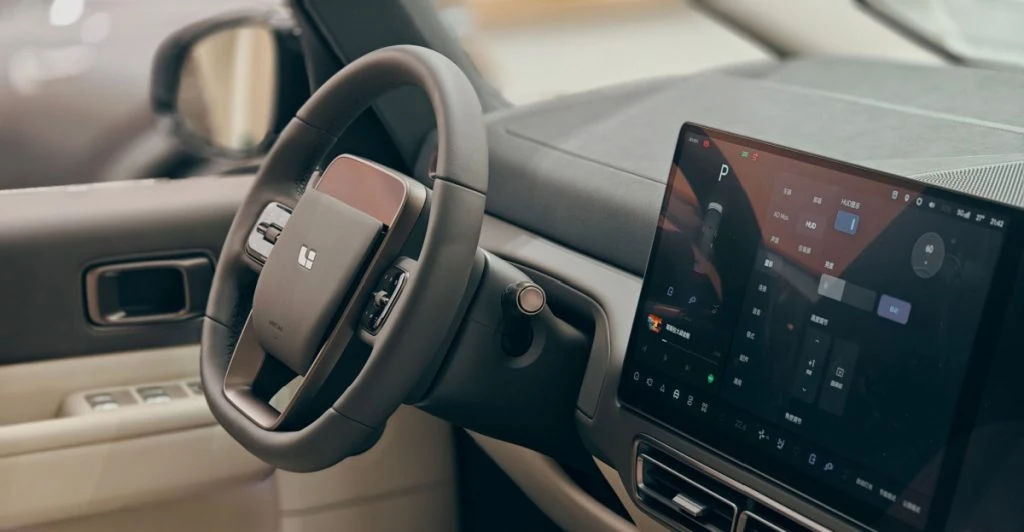
Drivers are officially rejecting the giant passenger screens and complex automation taking over modern cars, demanding that automakers return to simple, unobtrusive technology.


Car manufacturers have spent the last decade trying to turn our dashboards into glowing walls of glass, but it turns out everyday drivers absolutely hate it. A massive new survey reveals that consumers are completely rejecting flashy, complicated infotainment features in favor of tech that just stays out of their way. According to the 2026 U.S. Tech Experience Index released by J.D. Power, buyers are finally demanding that automakers stop treating their vehicles like giant, annoying smartphones.
The absolute biggest loser in this modern tech arms race is the highly hyped passenger screen, which just scored some of the lowest satisfaction ratings across the entire auto industry. More than a third of owners who paid extra for these secondary dashboard displays admitted they have literally never turned them on, while a dismal six percent actually use them regularly. Instead, the highest-rated technologies are invisible, automatic features—like smart climate control and intelligent ignition systems—that handle the heavy lifting without constantly demanding your attention.
This massive rejection of complex tech also extends directly to how people actually want to drive their cars on the highway. Drivers consistently rated basic driver-assist features, where you are forced to keep your hands on the wheel, much higher than the heavily marketed, completely hands-free automation systems. Ultimately, reporting from Carscoops points out a brutal reality: people clearly want a digital co-pilot to keep them safe, but they have zero interest in fighting with a robot for control of their commute.
The death of the rolling smartphone
For years, automotive executives were convinced that slapping more touchscreens into a cabin would immediately translate to higher premium vehicle sales. Dealerships aggressively pushed these digital upgrades, promising buyers that front-seat passengers would use the extra screens to stream movies or navigate long road trips. In reality, most passengers simply prefer staring at their own actual smartphones, rendering these expensive built-in displays completely obsolete before the car even leaves the lot.


The frustration with these glass dashboards is heavily reflected in the sheer number of software glitches drivers are now forced to deal with daily.
Vehicles equipped with these unnecessary passenger screens actually reported higher rates of overall infotainment failures compared to simpler, traditional dashboard layouts. When automakers force consumers to rely entirely on software to turn on the air conditioning or adjust the radio, a single frozen screen can make the entire car practically undrivable.
As a result, major brands are finally starting to realize that digital minimalism is becoming a massive selling point for modern car buyers. Some forward-thinking manufacturers are actively returning to physical dials and tactile buttons for essential driving controls to win back incredibly frustrated consumers. The era of the rolling Best Buy is finally ending, and the industry is being forced to relearn that a car is primarily a machine, not a giant iPad.
Automakers are burning billions on unwanted tech
This massive disconnect between what engineers want to build and what drivers actually want to buy is costing the auto industry billions of dollars. Research and development budgets have been completely hijacked by the desperate race to build proprietary software ecosystems that nobody actually asked for in the first place. Automakers are pouring fortunes into designing complex digital environments, only to discover that their customers actively despise the final product once they hit the road.
The financial fallout from this miscalculation is severely impacting how companies are planning their next generation of highly anticipated electric vehicles. Rather than stuffing future models with even more processing power, executives are now being advised to strip out the digital clutter and focus on actual driving dynamics.
As noted by Motor1’s breakdown of the study, if car companies want to justify their skyrocketing sticker prices, they need to invest in features that genuinely reduce stress rather than creating totally new technological headaches.
Moving forward, the cars that dominate the market will be the ones that master the art of being incredibly smart without ever showing off. Drivers are perfectly happy with artificial intelligence adjusting the suspension or monitoring blind spots, as long as it operates silently in the background. The ultimate luxury in a modern vehicle is no longer having the biggest screen, but having a car that simply works without a mandatory software update.



