
 Mikkel Christensen
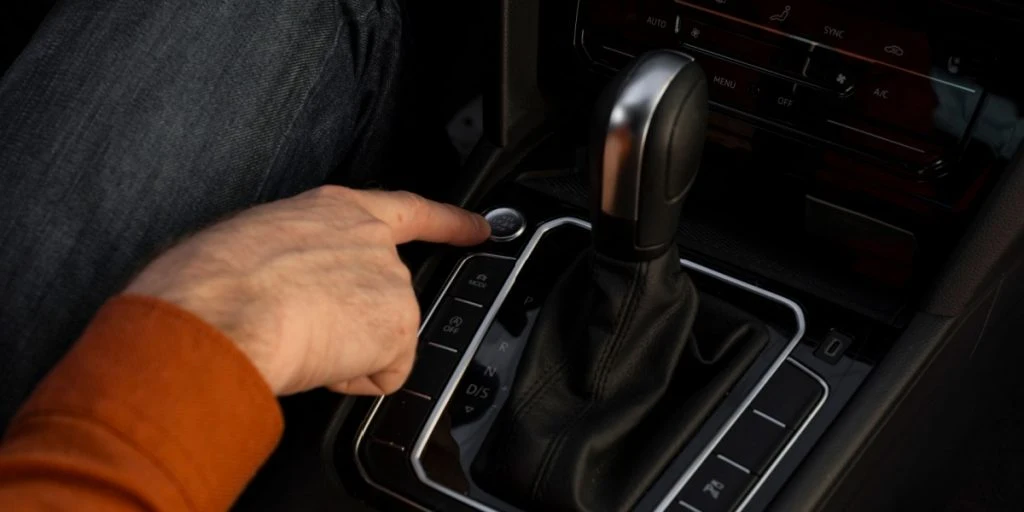
lectric vehicles have transformed how cars deliver power to the road.


Electric vehicles have transformed how cars deliver power to the road. While they may look similar to gasoline models on the outside, their mechanical setup is fundamentally different.
One of the most noticeable differences is the absence of a traditional manual transmission.
Unlike internal combustion engines, electric vehicles rely on an electric motor rather than a fuel-burning engine.
That design eliminates the need for many conventional components, including multi-gear transmissions.


While some EVs, including Tesla models, use oil filters, these typically serve the gearbox rather than a traditional engine system.
Most electric cars use a single-speed gearbox instead of the multiple gears found in gasoline vehicles, which can have as many as 10 speeds.
Instant torque advantage
The key reason lies in how electric motors deliver power. EVs produce maximum torque immediately when the motor engages. That instant torque allows the vehicle to accelerate from a standstill to higher speeds without stepping through different gear ratios.
Because electric motors operate efficiently across a broad RPM range, there is no need to shift into higher gears to maintain acceleration or reach highway speeds. A single gear can transfer power smoothly from the motor to the wheels.
This simpler setup reduces mechanical complexity and weight, which is significant given the added mass of large battery packs. It also contributes to smoother acceleration and lower maintenance demands compared to traditional transmissions.
Adding a manual gearbox would increase weight and complexity without offering meaningful benefits in everyday driving.
Exceptions exist
That said, not all EVs are strictly single-speed. Some high-performance models incorporate additional gears. The Porsche Taycan, for example, uses a two-speed transmission, and the Audi e-tron GT features a two-speed rear setup.
These systems are designed primarily to improve efficiency and performance at higher speeds rather than for constant gear changes. In such cases, the additional gear engages only when necessary to optimize top-end acceleration.
Heavy-duty and commercial electric vehicles may also use multi-speed systems to enhance towing capacity.
For most consumer EVs, however, the electric motor’s wide operating range makes manual shifting unnecessary. Efficiency improvements tend to come instead from driving habits, regenerative braking and proper maintenance, rather than from changing gears.
Sources: BGR.



