
 Kenneth Glad
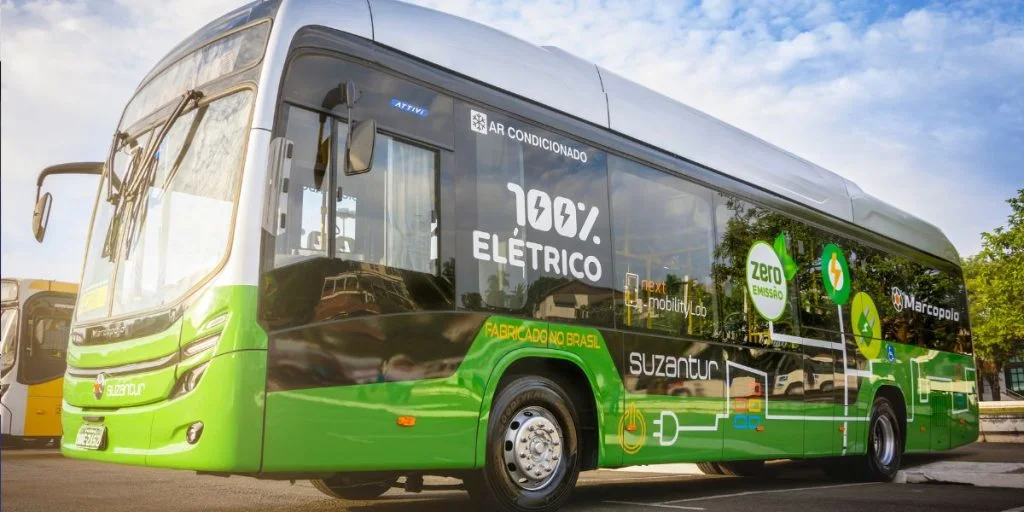
Chinese companies are becoming more deeply involved in local infrastructure and public services across Latin America. The shift is drawing attention because many of those ties are built through smaller contracts rather than major construction projects.


In cities across Latin America, Chinese firms are supplying buses, trains, surveillance systems and electricity infrastructure, often through deals that attract far less attention than major ports or dams.
According to a Foreign Affairs analysis, the significance lies in how these smaller agreements accumulate over time, giving Beijing deeper ties to local institutions and public services.
Local systems bring dependence
According to the analysis, companies from China operate all electricity distribution serving Lima. Chinese trains also run on major electrified commuter rail lines in Buenos Aires, while their electric buses are used in cities across South America.
Public procurement can create long-term dependence because changing suppliers may require new equipment, software, training and maintenance arrangements. Foreign Affairs argues that proprietary technology can make those relationships especially difficult to unwind.


Surveillance systems are one example. Municipal authorities using patented equipment may still depend on the original providers for technical support, spare parts and software updates.
Financing tells the story
Traditional Belt and Road lending to Latin America dropped from nearly $25 billion in 2010 to an average of about $1.3 billion annually, according to figures from Foreign Affairs.
Chinese companies invested roughly $8.5 billion in Latin America in 2024, about 10 percent less than the previous year. Much of that activity now takes the form of acquisitions and commercial transactions instead of large sovereign-backed projects.
In Argentina’s Jujuy province, cooperation between Chinese and Argentine geological agencies developed into research focused on local salt flats. A Chinese company later acquired a majority stake in a lithium project there.
Influence grows below national level
China has also built nearly 180 sister-city relationships across 17 Latin American countries, according to the analysis, giving it another route into local and regional institutions beyond national governments.
Foreign Affairs argues that these municipal, provincial and institutional ties can survive elections and changes in political leadership, making them harder to unwind than relationships centered only on presidents or central governments.
The authors say U.S. policy has remained more focused on visible strategic assets such as ports, telecommunications networks and major infrastructure. Beijing, meanwhile, has been extending its reach through procurement offices, transport authorities, police institutions and other parts of government that rarely attract the same level of scrutiny.
The analysis argues that this gives Beijing an advantage precisely because the strategy is so dispersed. There is no single project to block, cancel or replace.
By the time the broader pattern becomes obvious, many of the relationships may already be embedded in the systems cities and governments rely on every day.
Sources: Foreign Affairs



