
 Anna Hartz
Weather patterns can change dramatically from one year to the next. But some changes are becoming harder to dismiss as normal variation.
Scientists are now looking closely at El Niño and whether climate change is making its effects more severe.
El Niño is expected to bring more extreme weather in many parts of the world over the coming year, according to Videnskab. That could mean heavier flooding, longer droughts and more severe weather than usual.
Clear signs in the coral reeves
A new study suggests that El Niño events have become stronger in recent decades. Researchers found that El Niño has been more intense during the past 40 years than during most of the previous 1,000 years.
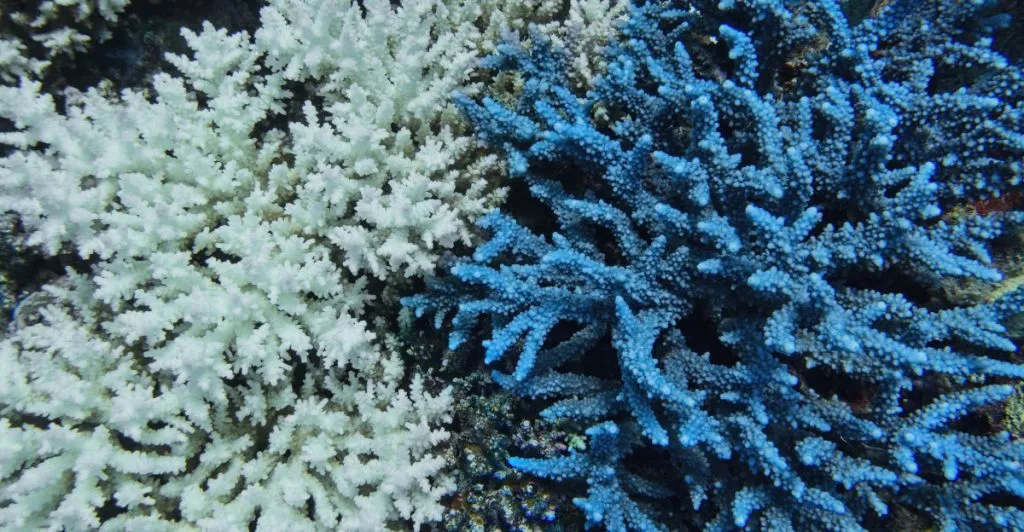
The researchers examined 13 coral cores collected near the Galápagos Islands. The area was chosen because El Niño is particularly strong there.


Corals can provide scientists with a record of past climate conditions. Like trees, they grow in layers that can be dated. The researchers studied the layers millimeter by millimeter and examined their chemical makeup.
This allowed them to estimate sea temperatures at the time each layer formed.
The results showed a clear change. The past 40 to 50 years have included several periods with unusually strong El Niño events. Earlier centuries showed weaker El Niño conditions.
Can affect extremer weather patterns
The researchers then used climate models to recreate conditions over the past 1,000 years. The models included factors such as volcanic eruptions and changes in solar activity.
They did not find natural explanations that could account for the shift toward stronger El Niño events in recent decades.
The findings point instead to global warming as a possible reason for the change.
The study’s lead author, Julia Cole, a professor at the University of Michigan, said global warming may be making El Niño stronger. If that continues, more extreme weather could follow.
Stronger El Niño events can affect weather patterns across large parts of the world. They can bring heavy rain and flooding to some regions while causing drought and heat in others.
That can put pressure on crops, water supplies and infrastructure. It can also increase the risk to people living in areas exposed to extreme weather.
Cole said the findings are another reason to reduce the use of fossil fuels, which are a major source of greenhouse gas emissions.
The researchers stressed that more work is needed to fully understand the relationship between global warming and El Niño.
The study was published in the journal Science.



