
 Kenneth Glad
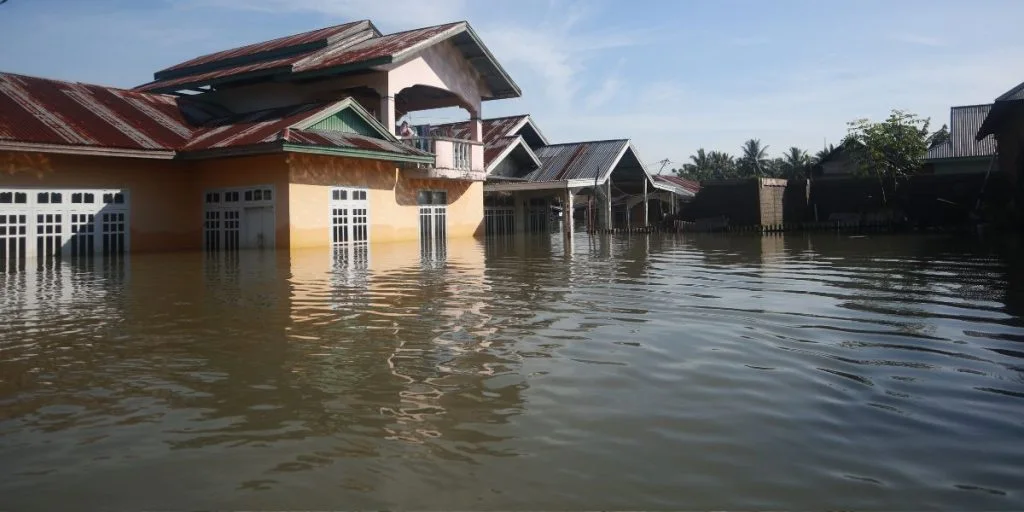
A warming planet creates countless problems for everyday communities across the globe. From extreme weather events to changing seasons, ordinary families are already adapting to unprecedented environmental shifts. But as world leaders push toward ambitious green targets, the timeline for recovery might not treat everyone equally.

New findings show that the world’s poorest populations will face the longest wait for relief, even if global carbon emissions hit net zero. A study, published in Environmental Research Letters, led by researchers at the University of Melbourne revealed a troubling trend in climate models. Countries near the equator are bearing the brunt of rising temperatures, despite contributing the least to historical pollution.
Wealthier nations in Europe and North America have generated most of the emissions driving temperature shifts. Yet tropical regions, where many developing economies sit, remain far more vulnerable to sustained heat.
“If we follow a path that is close to net zero, then the inequality we see in present day warming persists indefinitely,” Dr Andrew King, who led the climate study, explained to The Guardian.
Lasting global damage
According to the research, reaching net zero only stops global temperatures from climbing higher. It does not magically reset the thermometer. Undoing the damage caused by historical pollution would require decades of active atmospheric carbon removal through complex net-negative emissions plans.


Even if global emissions drop to zero, massive volumes of greenhouse gases will linger in the atmosphere for centuries. Tropical ecosystems face severe threats from this lingering warmth because local wildlife and plant species evolved within narrow, stable temperature bands.
As a result, even tiny, ongoing fluctuations cause long-term disruption to regional agriculture and sensitive natural marine habitats like coral reefs. These systems cannot easily adapt or recover while temperatures remain elevated far above historical norms.
“Getting to net zero sooner means we are less likely to have that long-term warming after net zero,” King told The Guardian. He stressed that aggressive early cuts remain the only reliable way to curb lasting climate inequality.
Displacement and identity
Physical climate damage is not the only issue facing vulnerable populations. A parallel report from the UN refugee agency, released by the Peter McMullin Centre via University of Melbourne, highlighted how extreme weather threatens human rights and citizenship. Disasters like rising sea levels, floods, and severe wildfires force millions from their homes every single year.
This displacement leaves displaced families without official documents, creating a growing statelessness crisis. Island nations in the Pacific face existential threats as rising tides swallow land, making statehood itself difficult to maintain.
University of Melbourne Associate Professor Radha Govil told the newspaper that practical solutions exist. She recommended digitizing national citizenship records and granting mothers equal rights to pass nationality to their children: “They can stave of this risk of statelessness and get ahead of this problem.”
Sources: The Guardian, Environmental Research Letters, University of Melbourne



