
 Kenneth Glad
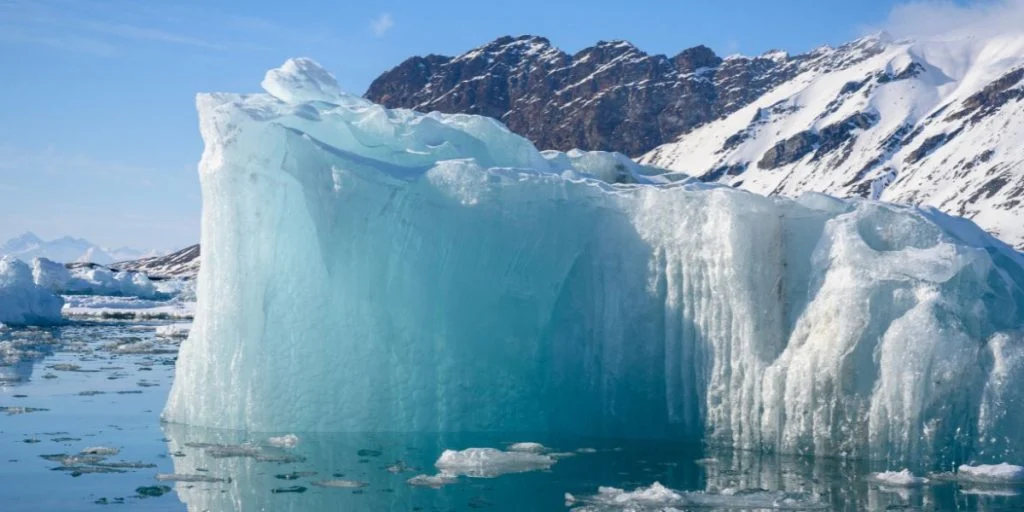
Living near the ocean often brings a sense of timeless calm, where the horizon feels permanent and unchanged. Yet in the far north, dramatic natural shifts are reshaping the coastline faster than anyone expected. Entire landscapes are altering before our eyes, leaving scientists scrambled for answers as the frozen edge of Europe retreats.

Glaciers that meet the sea on the Arctic archipelago of Svalbard are melting at a record pace. According to glaciologist Geir Moholdt from the Norwegian Polar Institute, glaciers extending into the ocean are shrinking significantly faster than those on land, writes NRK.
Recent satellite and field measurements show a massive step up from last year’s record losses. While land-locked glaciers recede by just a few metres each year, marine glaciers can pull back by dozens of metres every single day.
Between 2024 and 2026, major glaciers like Kronebreen and Monacobreen withdrew between 600 and 900 metres. Over the last two years alone, ten marine glaciers have vanished from the water entirely, retreating fully onto dry land.
Warmer northern waters
The primary culprit behind this rapid retreat is rising sea temperatures. A recent study published in the Polar Journal noted that surface water temperatures around the islands were three degrees Celsius above average this July.


This ocean heat attacks the base of ice cliffs where they meet the water, causing giant chunks to break off into the sea. Scientists warn that losing these marine ice fronts disrupts coastal ecosystems and alters marine circulation.
It also contributes directly to global ocean expansion. Glaciers in Svalbard and across the broader Arctic remain among the primary drivers of rising global sea levels today.
Norway faces pressure
“Svalbard is ahead of climate change in that it is more severe on Svalbard than anywhere else,” Norwegian Climate and Environment Minister Sigrun Aasland told NRK.
The stark reality on the ground has reignited a fierce political debate over fossil fuels. Earlier this week, the European Union pushed member states and neighbors to halt all new oil and gas prospecting across fragile polar regions.
Yet Oslo refuses to budge on its lucrative offshore industry. Aasland firmly rejected those European demands, arguing that current geopolitical tensions and volatile global energy markets make Norwegian supplies indispensable.
In her view, Western nations expect Norway to act as a dependable, secure energy anchor while the country simultaneously works toward long-term transition targets. The government insists it can search for new resources while cutting domestic emissions, even as environmental groups call the strategy contradictory.
Sources: NRK, Polar Journal



