
 Kenneth Glad
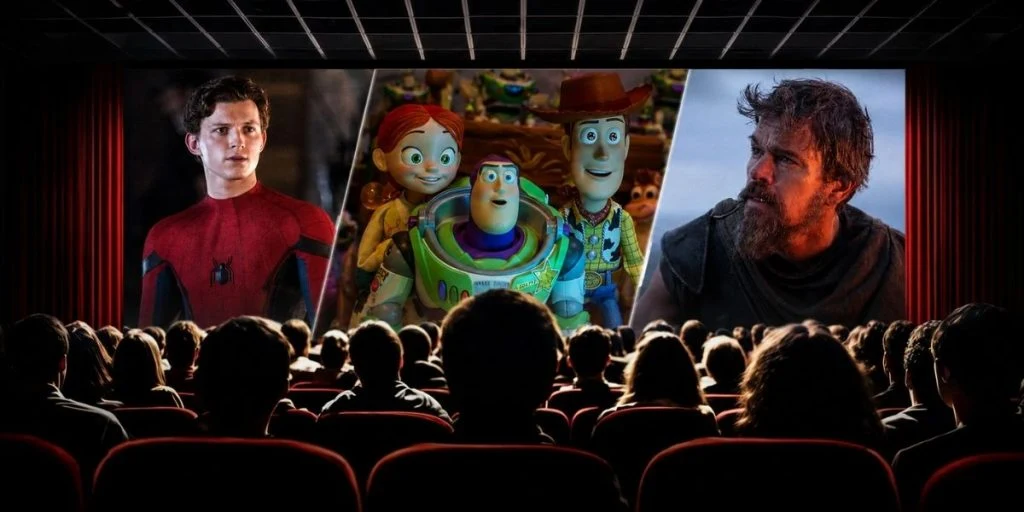
Ticket sales improved during a season of sharply different commercial outcomes. Success increasingly depended on giving audiences a compelling reason to see a film in cinemas rather than wait.


The summer delivered a welcome sign for the film industry, as audiences continued turning up at cinemas in substantial numbers.
The North American summer box office exceeded $4 billion, according to Forbes. The Guardian adds that the completed season was roughly 20 percent stronger than the previous year, making it the best summer performance since 2019.
But the recovery hid a more complicated picture.
Big budgets and familiar names still drew attention, but they did not always bring audiences into cinemas. Some franchises delivered huge returns, while others fell short. Meanwhile, several much cheaper films became major surprises.


Famous characters produced different outcomes
Spider-Man: Brand New Day showed how powerful an established property can remain. By the end of August, the film had reached about $2.33 billion worldwide, according to the Associated Press, making it the year’s biggest release so far and the fourth-highest-grossing movie in history.
Elsewhere, the superhero market looked much weaker.
Supergirl earned about $126 million worldwide despite a reported production budget of roughly $180 million, making Spider-Man’s success look more like an exception than proof of a wider comeback.
Disney’s live-action Moana faced a similar problem. Moana 2 made more than $1 billion less than two years earlier, yet the remake brought in only a little over $300 million worldwide on a reported $250 million budget.
Spider-Man has proved more durable than most franchises, surviving several actors, directors and reboots. For many other familiar properties, name recognition alone is no longer enough.
A long break worked in Toy Story’s favor
Toy Story 5 crossed $1 billion worldwide after the series had been away from cinemas since 2019.
That gap likely helped. Audiences knew the characters, but several years had passed since the previous theatrical installment, making the sequel feel more like a return than another routine release.
Constant exposure can have the opposite effect. Films, streaming series and spin-offs may keep a franchise visible, but they can also make each new installment feel less important.
Toy Story 5 benefited from the years between releases. By the time it arrived, audiences had had enough distance from the series for its return to feel fresh again.
Small horror films found enormous audiences
Some of the summer’s strongest returns came from films made far below blockbuster budgets.
The Guardian writes that Obsession cost about $750,000 and eventually exceeded $500 million worldwide after gaining momentum beyond its opening weekend.
Backrooms delivered another remarkable return. Made for around $10 million, according to The Guardian, it approached $400 million globally.
Both films came from young filmmakers with strong connections to online culture, helping them reach audiences with material that felt more specific than the typical studio release.
The obvious response would be to search for more internet-based horror concepts, but copying the subject matter would miss the larger point.
Smaller productions can take creative risks without needing blockbuster-sized audiences to survive. When one breaks beyond its expected market, the rewards can be enormous.
Big-screen appeal became harder to manufacture
Christopher Nolan showed that the same kind of draw can exist at the expensive end of the market.
The Odyssey had earned about $1.55 billion worldwide by the end of August, according to the Associated Press. Nolan’s name now carries expectations of scale, technical ambition and an experience designed for cinemas.
Original comedy on the other hand has struggled to create the same urgency.
One Night Only, director Will Gluck’s follow-up to Anyone But You, had made only around $20 million worldwide after several weeks in cinemas. For comedies like this, waiting for a home release can be an easy choice.
That was the story of the summer more broadly. Some expensive films struggled while smaller releases took off, and even familiar franchises could not count on success.
Audiences are still willing to turn out in huge numbers. The difficult part is giving them a reason to do it now.
Sources: The Guardian, Forbes, Associated Press



