
 Kenneth Glad
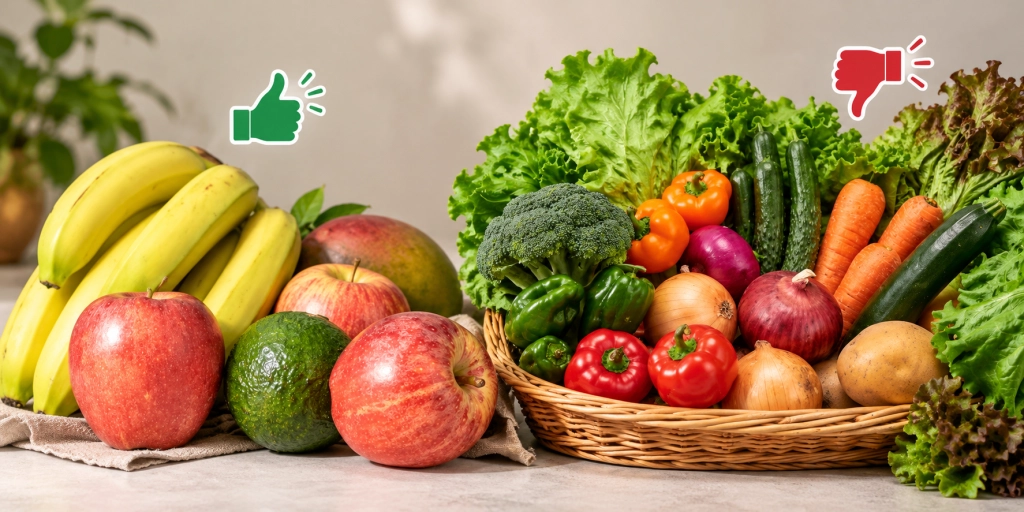
What lands on our plates each evening says a lot about where we live, how much we earn, and what we can afford. Daily choices shape long-term health, yet keeping fresh food in the kitchen is getting trickier for millions. A fresh look at national dining habits reveals a curious shift in what people consume.


A recent federal report highlights how American eating habits have shifted slightly over recent years. Researchers found that about seven out of ten adults now consume fruit or pure fruit juice on any given day. That marks a small increase from 67 percent in prior years, according to Time‘s analysis of the data.
Vegetable consumption went in the opposite direction. Around 93 percent of surveyed adults reported eating vegetables daily, down from 95 percent in the previous study. The National Center for Health Statistics gathered these findings through annual dietary surveys of roughly 5,000 adults and children.
Despite the small uptick in fruit, nearly 30 percent of adults still do not consume a single piece of fruit or drop of juice during a typical day.
Income and gender
The figures reveal distinct split lines based on income and gender. Women ate fruit more often than men, with 74 percent of women consuming it daily compared to 66 percent of men.


When it comes to dark greens, the divide widens further.
Four out of ten women reported eating nutrient-dense greens like spinach or broccoli, whereas roughly one-third of men did. Health experts note these vegetables contain vital nutrients for heart and brain health, yet they remain the least popular choice across all income groups. Higher household income also strongly correlated with eating more fresh produce overall.
Short on fiber
Despite these steady numbers, most adults fail to meet recommended daily targets. Health guidelines suggest eating roughly two cups of fruit and two and a half cups of vegetables each day. To put that in perspective, a single small apple equals about one cup of fruit.
Juice also poses a distinct challenge. Almost one-third of adults who consumed fruit relied solely on 100 percent fruit juice. Health experts warn that juice lacks the crucial fiber found in whole produce.
Rising food prices make fresh choices even harder. While inflation stayed low from 2015 to 2019, recent grocery price hikes averaging 3.5 percent annually have pushed fresh produce out of reach for many tight budgets.
Sources: Time, National Center for Health Statistics



