
 Josefine Bagger Sommerlund
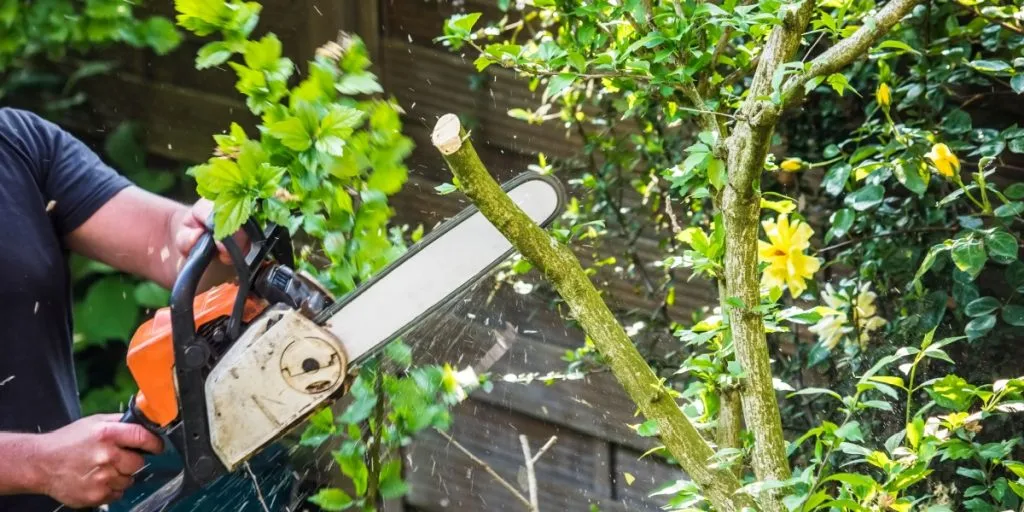
There are several reasons why it might be a good idea to wait until a different season.

Spring is often the time when gardens are tidied up, and trees are pruned to encourage growth and health.
However, some trees are better left untouched until a more optimal season arrives.
Trees in Active Growth


-
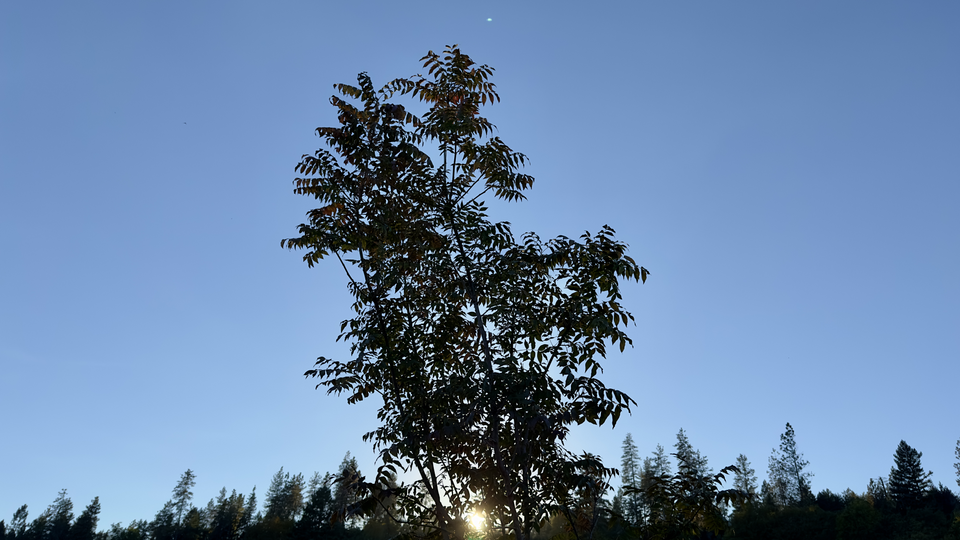
Trees use energy to produce new leaves and branches.
-
Pruning during this period can stress the tree.
-
Often results in excessive shoot growth.
Best time: Late winter when the tree is dormant
Trees That “Bleed”
-
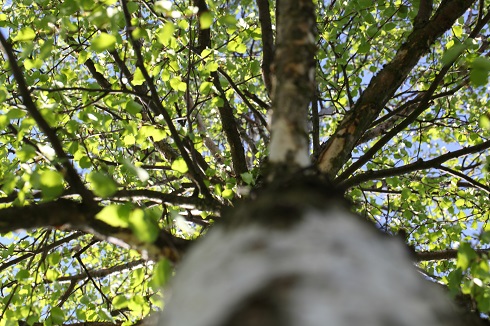
Beech, birch, elm, maple, and walnut release large amounts of sap.
-
While not harmful, it can be unsightly.
Best time: Summer to minimize sap flow.
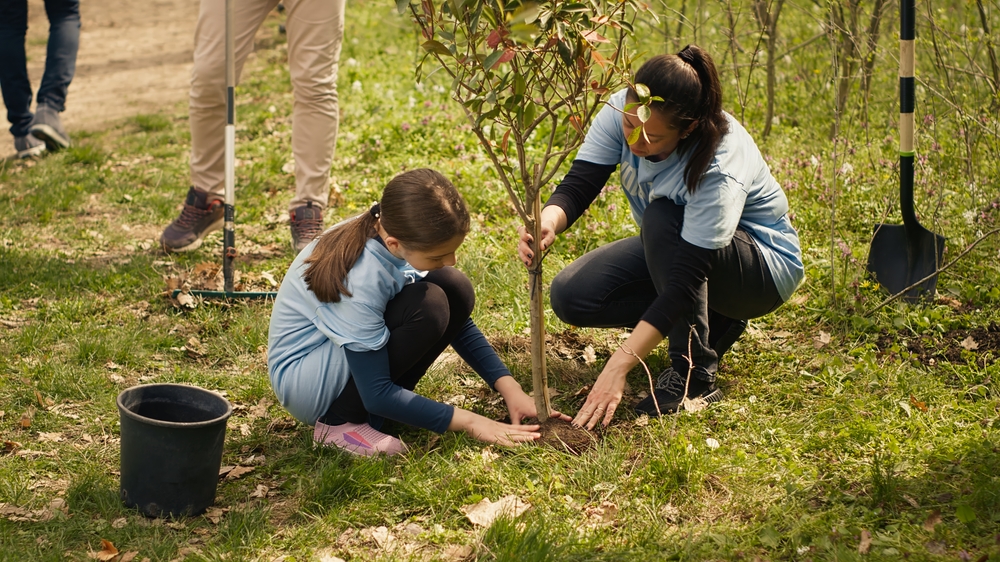
Newly Planted Trees
-
The crown and leaves are crucial for photosynthesis and root development.
-
Only remove damaged or dead branches in the first year.
Best time: Wait for major pruning until the tree is well-established.
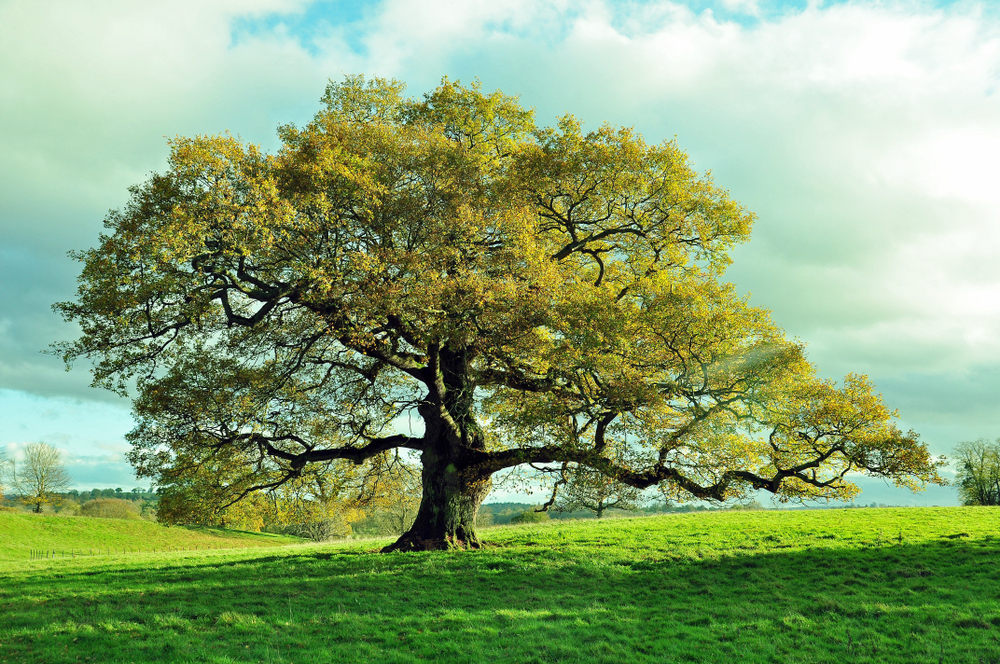
Oak Trees
-
Risk of oak wilt disease, spread by beetles.
-
Fresh cuts can attract beetles from March to October.
Best time: If pruning is necessary, seal the wounds.
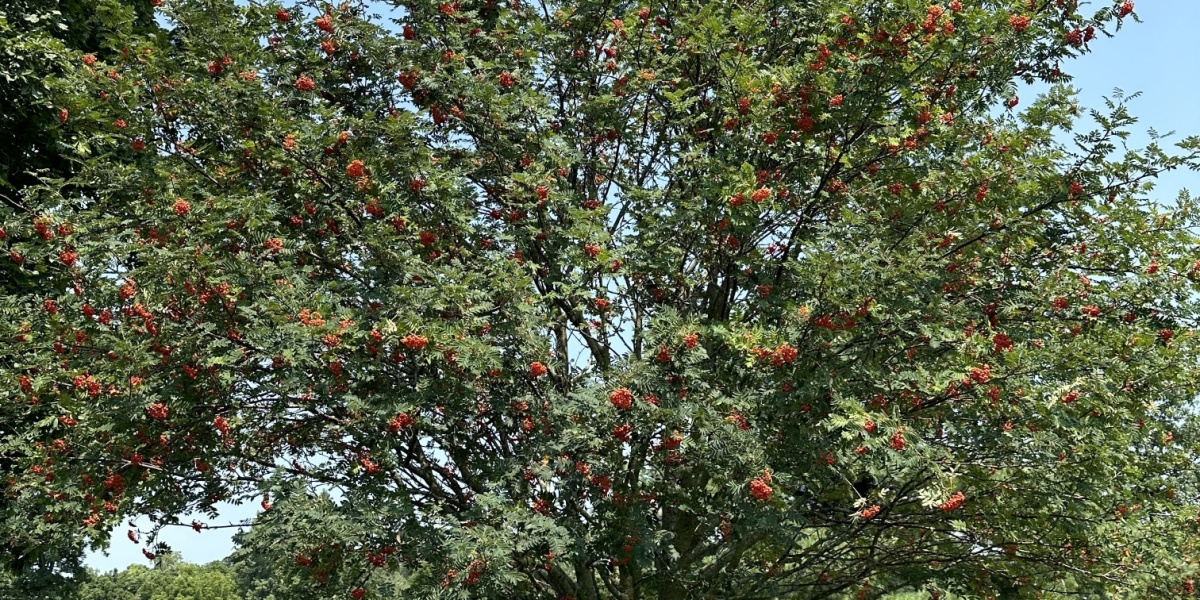
Trees Prone to Disease
-
Apple, crabapple, hawthorn, and pear trees can develop bacterial infections like fire blight.
-
American elms are vulnerable to bark beetles.
Best time: Prune in the winter months
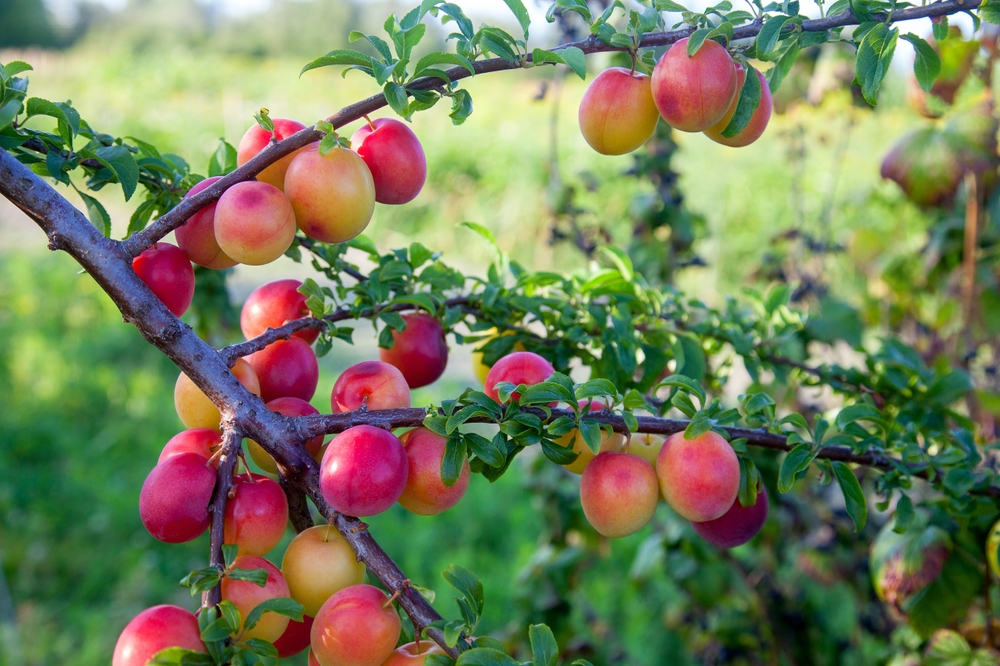
Spring-Flowering Trees
-
Cherry, lilac, plum, and Judas trees shouldn’t be pruned too early.
-
Early pruning removes flower buds.
Best time: After blooming, no later than one month after the flowers fall.
Certain Conifers
-
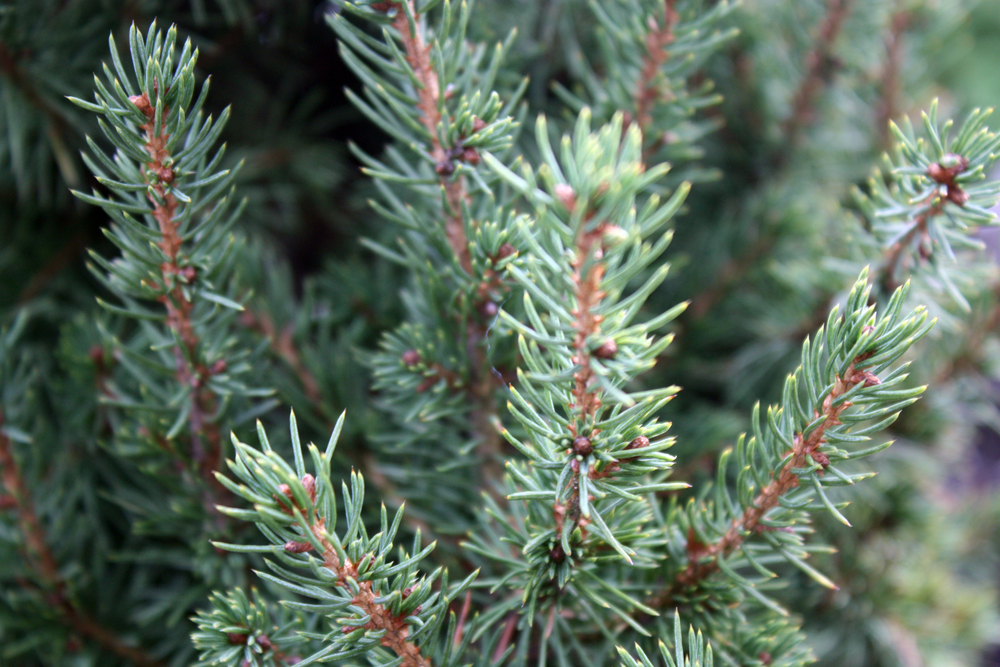
Pine trees should be pruned in late spring for denser growth.
-
Spruce and fir trees are best pruned in late winter to avoid excessive resin flow.
Mature Trees
-
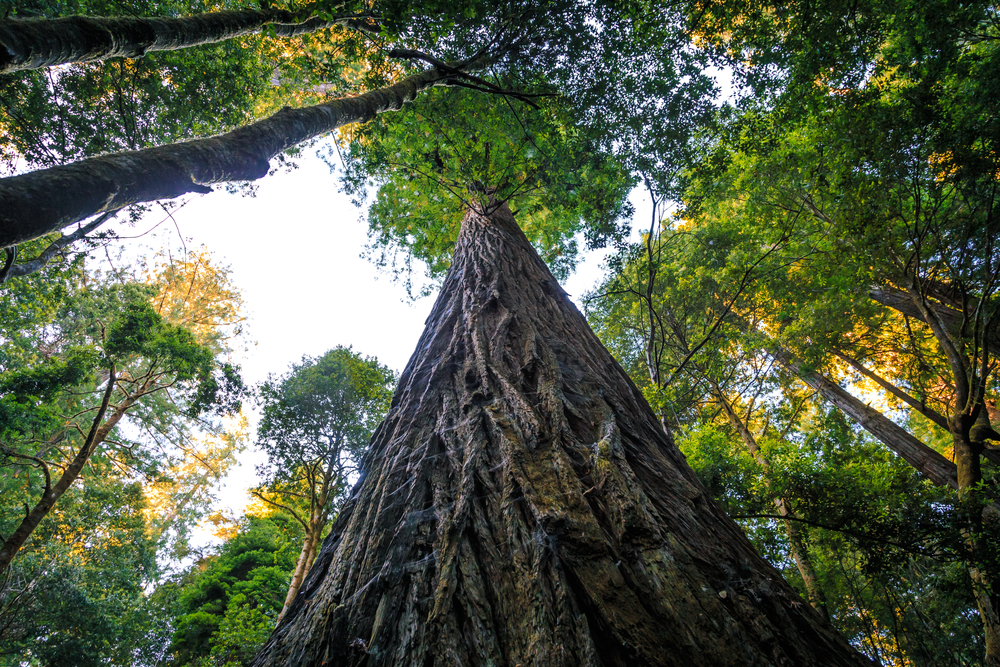
Summer is ideal for thinning out older trees.
-
Easier to identify weak or dead branches.
-
The tree is better equipped to heal pruning wounds.
Summary & Best Practices
-
Consider timing carefully to protect your trees.
-
Waiting for the right season promotes healthy growth and reduces disease risks.
Reminder: Every tree has unique needs, so plan your pruning accordingly.



