
 Asger Risom

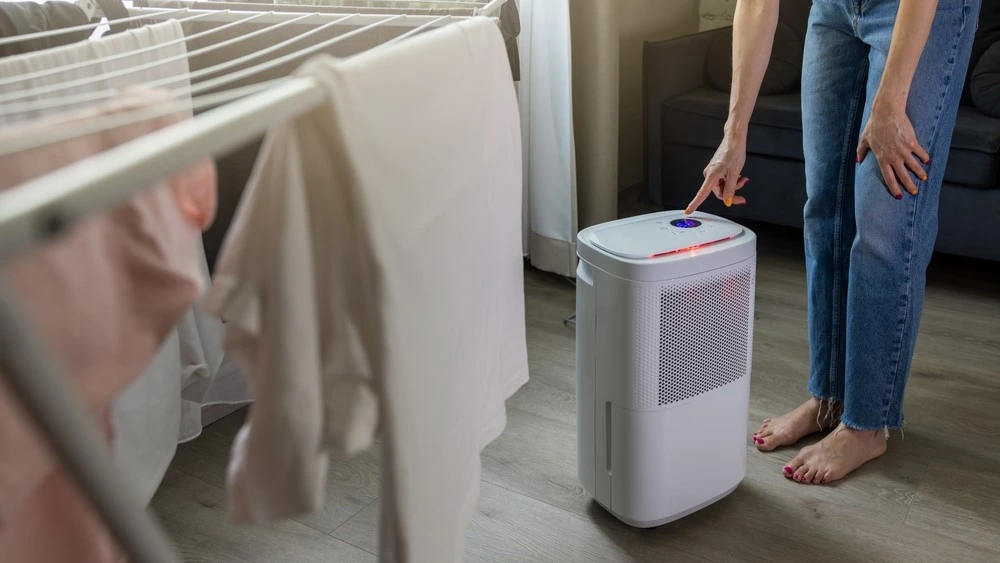
Words like “HEPA-like” or “HEPA-type” on an air purifier box don’t guarantee the tight filtration of a true HEPA filter, leaving fine smoke and dust able to slip through.

Buying an air purifier is one of those chores where the box does almost all the talking, promising cleaner air for allergies, pet dander, or wildfire smoke. Walk past two nearly identical machines on a shelf, though, and the cheaper one might only trap a fraction of the fine stuff floating around your living room. That gap usually comes down to how tightly woven the filter is and whether the label on the box has any real rules behind it.
How real particle traps work
A genuine HEPA filter is a dense web of fine fibers folded into pleats so air has to wind through a maze before coming out the other side. Larger specks like dust or pet hair bump straight into the fibers, while tiny particles—including smoke and allergens—drift around randomly until they stick to a strand. As the U.S. Environmental Protection Agency outlines, a true HEPA filter is built to remove at least 99.97% of airborne particles down to 0.3 microns under standard testing.
Counterintuitively, 0.3 microns is actually one of the trickiest sizes for a filter to catch, which is why engineers test right at that benchmark. Particles bigger than that tend to crash into fibers on impact, while even tinier specks bounce around enough to wander into a strand. Once a filter meets that benchmark, it reliably pulls a huge share of smoke, pollen, and microscopic dust out of the air you breathe.
Why “HEPA-like” is a loose promise
Shoppers run into trouble when a box swaps out clean, certified language for phrases like “HEPA-type,” “HEPA-like,” or “HEPA-style.” Those labels are marketing shorthand rather than a regulated standard, meaning a filter can look similar at a glance while leaving wider gaps between its fibers. As IQAir notes, loose filter terms and headline ratings often skip over real-world efficiency on fine particles or lower fan speeds.


A looser filter lets more air pass through with less resistance, which can make a small unit look quieter or push more air on paper. The catch is that fine smoke and microscopic irritants can slip straight through those wider openings instead of getting trapped. Paying a little less up front stops looking like a bargain once you are still sneezing through allergy season or smelling campfire smoke indoors.
What to check before you buy
Start by looking past flashy claims and checking whether the machine uses genuine HEPA filtration and lists its airflow speed for your room size. A purifier that only moves enough air for a tiny closet will struggle in a wide-open living room even if its filter material is solid. Also keep in mind that particulate filters catch solid specks rather than cooking smells or chemical fumes, which usually take an activated carbon layer to tackle.
Finally, factor in replacement filters before you click buy, since fresh cartridges are an ongoing cost every six to twelve months. A budget machine with pricey or hard-to-find filters can cost more over two winters than a straightforward model with honest specs. Pick a unit sized for your space with real filtration, and let it run quietly in the background without overthinking the rest.



