
 Asger Risom
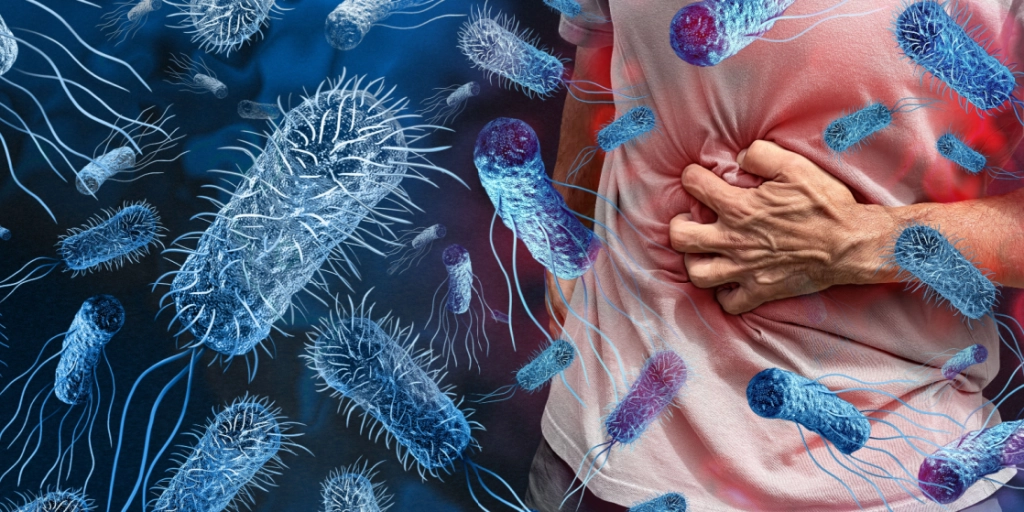
Following a deadly outbreak in Canterbury, researchers discovered that a type B meningococcus strain acquired new genes from harmless throat bacteria, turning it into a highly invasive pathogen.


A single weekend at a nightclub in Canterbury sent 21 young people to the hospital. Now, researchers understand exactly why the pathogen was so devastating.
Welltica reports that the bacteria responsible for infecting dozens of students in a matter of days had hijacked new genes from otherwise harmless throat bacteria, rendering it significantly more dangerous than its common relatives.
The outbreak exposed roughly 4,800 people, primarily university students in the Kent area who visited Club Chemistry between March 5 and 7, 2026. In the week following that weekend, 21 young adults were diagnosed with invasive meningococcal disease—an acute, life-threatening infection. Every identified patient was hospitalized, nine required intensive care, and two ultimately died from the illness.
Stolen genetics
A recent analysis by the UK Health Security Agency (UKHSA) and the University of Oxford, published on September 22, 2026, details the exact mechanics of the outbreak.


The pathogen responsible was a variant of type B meningococcus. Researchers sequenced the complete genome of the bacteria and compared it to its closest relatives in the UK. They discovered the strain had absorbed small DNA fragments from harmless bacteria naturally found in the throats of healthy people. This process, known as horizontal gene transfer, allows bacteria to acquire new genetic traits without reproducing.
These specific genetic alterations fundamentally changed how the bacteria interacted with human cells. The stolen genes drastically improved the pathogen’s ability to penetrate from the throat into the bloodstream, where it triggers rapid-onset sepsis and meningitis. According to the preliminary study currently available on bioRxiv, the acquired genes made the bacteria far more harmful once inside the body, though they did not necessarily make it more contagious. The outbreak strain may have been carried by healthy individuals for some time before the right environmental conditions triggered the mass infection.
The ideal vector
While genetics explain the severity of the infections, the physical environment dictated the speed of the spread.
According to research published by Social Care Today, first-year university students face a significantly elevated risk of meningococcal disease due to their sudden immersion in dense, unfamiliar social environments. Meningococcal bacteria spread through close contact, kissing, and the sharing of drinks or e-cigarettes.
The UKHSA notes that symptoms can escalate from general discomfort to a life-threatening condition in just hours. Health officials underscore the need for immediate medical intervention for symptoms including fever, headache, neck stiffness, extreme light sensitivity, muscle pain, difficulty breathing, and a distinct rash that does not fade when pressed with a glass.
A global blind spot
While the Canterbury outbreak is an extreme case of genetic mutation, it exposes a structural vulnerability in global public health. The World Health Organization has launched a sweeping initiative to defeat bacterial meningitis by 2030, yet type B meningococcus remains a uniquely volatile threat precisely because of how young adults socialize.
The problem is environmental as much as it is biological. Epidemiological data confirms that high-density social settings—specifically university campuses, dormitories, and indoor nightlife venues—act as near-perfect transmission amplifiers. Prolonged indoor occupancy, close physical proximity, and shared drinks create environments where a single transmissible strain can bypass standard institutional firebreaks in a matter of hours.
The rapid progression of the Kent cluster serves as a brutal reality check. Even in nations with highly sophisticated healthcare infrastructure, an aggressive pathogen spreading through a university ecosystem will almost always outpace the initial public health response. A bacteria does not need to be inherently more contagious if the social environment does the work of spreading it at scale.



