Kenneth Glad

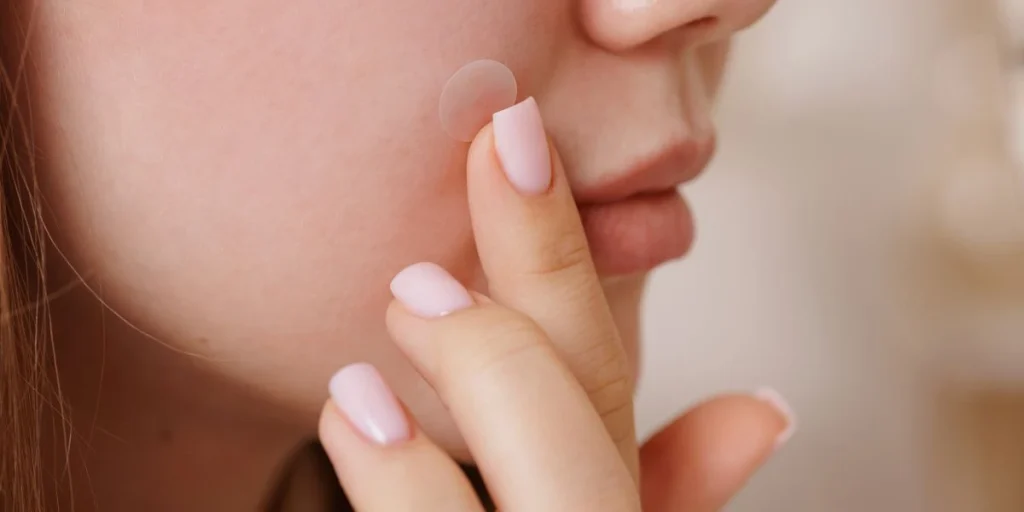
You wake up with a bright red spot on your forehead just days before a big event. People have tried every trick in the book to banish these sudden arrivals, and the latest trendy fix involves a tiny sticker. But the science behind this viral sensation is surprisingly old.


You can find them shaped like stars, hearts, or simple clear circles. Social media feeds are flooded with videos of people peeling off these patches to reveal what got sucked out overnight.
The core technology has actually existed for decades. According to The Conversation, the material is called hydrocolloid, and doctors originally used it to heal wounds. It absorbs moisture and forms a protective gel.
South Korean beauty brands adapted this medical supply for facial skin nearly 20 years ago. The products finally reached Western shelves around 2012.
A physical barrier
When you place a patch over a ripe blemish, the hydrocolloid goes to work. It pulls out fluid, pus, and dead skin cells. The patch turns cloudy white as it fills up.


These stickers also stop you from touching your face. Picking at skin introduces new bacteria and makes swelling worse.
Some brands add active medicines to the mix. You might see salicylic acid or tea tree oil on the ingredient list. Science site Videnskab reports that these additions aim to kill bacteria rather than just drying out the skin.
Looking at the evidence
But do these popular products actually cure breakouts? A 2025 research review showed that most proof comes from general wound care. Studies focusing specifically on facial patches remain quite limited.
The few available trials are often small and funded by the manufacturers themselves. One industry-backed study of 37 people found that treated spots looked 44 percent less inflamed after two days.
Another test with 41 participants showed visible shrinkage within 24 hours. However, researchers note these tests are rarely blind, which can skew the final results.
Not for every breakout
These stickers work best on surface-level blemishes with visible white heads. They cannot reach the deep inflammation of painful cystic breakouts.
People with darker skin tones should also use caution. The Conversation points out that adhesive irritation can cause dark marks that take a long time to fade.
If your skin problems persist after a few weeks of home treatment, it is time to stop buying stickers. A doctor can help you find a real medical solution.