
 Kenneth Glad
Ancient administrative records can preserve traces of wrongdoing that formal histories miss. A fragmentary text has now brought one such case into clearer focus.
Roman tax collectors were already facing complaints about fraud in 465, some fifteen years before officials issued a decree aimed at stopping the practice, according to Historienet.
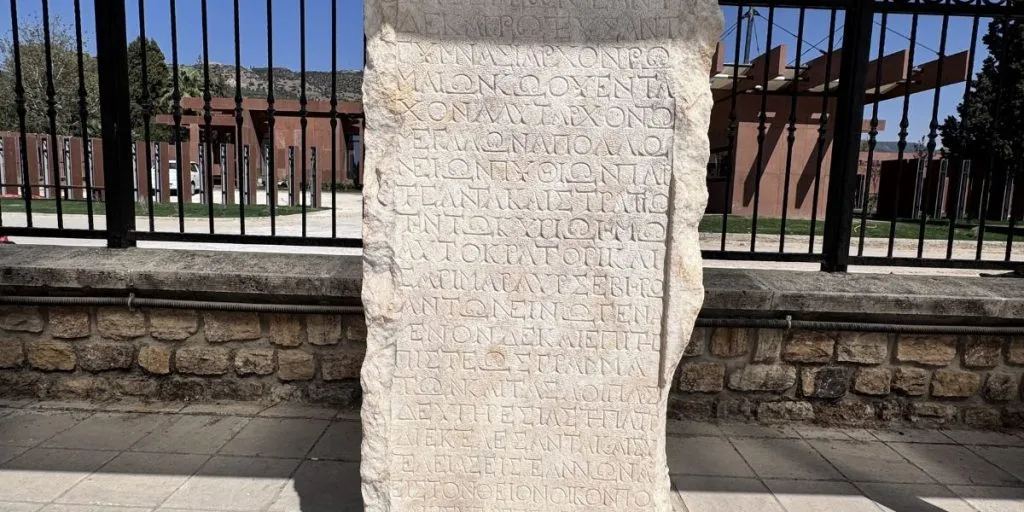
That earlier date emerged from a stone fragment found in Caria, western Turkey, in 2024. The inscription belonged to a decree issued in 480 by Flavius Illus Puseus Dionysius, a senior official in the eastern Roman Empire.
Researchers knew the decree from other surviving fragments, but the new piece contained lines they had not seen before. Among them was a reference to a complaint made in 465, showing that concerns about the tax collectors had reached the authorities years earlier than previously known.
The inscription does not show that the fraud continued continuously throughout those fifteen years, only that officials had been warned about it by that point.


Collectors concealed tax payments
According to Historienet, tax collectors could accept money without recording the full amount on a citizen’s receipt. They would then report a smaller payment to the central administration and keep the difference for themselves, allowing part of the tax revenue to disappear before it ever reached the state.
Dionysius’ decree was intended to put an end to the practice. It prescribed severe penalties for those involved and gave officials three months to carry out the crackdown. In the gravest cases, tax collectors found responsible could face the death penalty. He never lived to see whether those measures worked. Before the three-month period had expired, Emperor Zeno accused Dionysius of conspiring against the throne and ordered his execution.
The scandal came at a turbulent moment in Roman history. The western Roman imperial government had collapsed in 476, only a few years before Dionysius issued his decree. A separate account from Historienet describes how military pressure, political fragmentation and the breakdown of Roman administration reshaped many former western provinces.
The eastern Roman Empire followed a different course. Its government survived the fifth-century crises and continued to rule from Constantinople. The Carian inscription offers a glimpse of the problems that could persist inside that surviving state, showing how officials could exploit the machinery of government even while its institutions continued to function.
Sources: Historienet



