
 Kenneth Glad
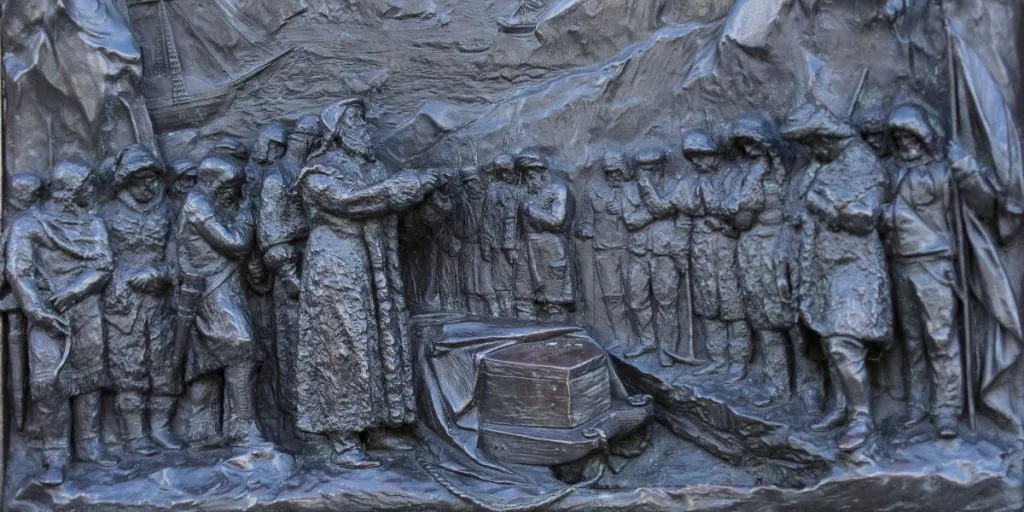
Certain nineteenth-century naval tragedies sparked decades of denial and controversy. Modern forensics ultimately validated indigenous stories surrounding these long-lost crews.

In the mid-nineteenth century, the British empire boldly launched its most expensive maritime mission to date. The highly ambitious undertaking aimed to finally conquer the elusive shortcut to Asia through the dangerous, icy northern waters.
Two highly advanced vessels, originally designed to withstand heavy cannon fire, were completely retrofitted for this perilous journey. They featured specialized central heating systems and extremely thick iron plating to survive the brutal elements.
An experienced military officer named Sir John Franklin confidently commanded the massive operation. When the seasoned explorer and his dedicated crew departed in the spring of 1845, a massive crowd enthusiastically cheered their grand departure.
His loyal men were heavily stocked with thousands of canned provisions intended to last for years. However, after briefly being spotted by commercial whalers later that summer, the entire company vanished into the frozen wilderness, writes HistorieNet.


Back home in England, initial public confidence slowly morphed into creeping dread over the missing sailors. The commanding officer’s spouse, Lady Jane, actively urged naval authorities to launch rescue missions, triggering a massive search effort.
The incredibly harsh arctic environment was completely unforgiving to the desperate searchers. Many rescue vessels ended up trapped themselves in some of the most brutal winter conditions the northern hemisphere had recorded in several centuries.
Local witnesses revealed an unspeakable arctic tragedy
A pragmatic Scottish physician and highly skilled outdoorsman named John Rae finally cracked the mystery in 1854. Working for a prominent fur trading enterprise, this explorer had learned survival techniques directly from the native inhabitants.
He thrived in temperatures dropping far below freezing while traditional naval crews suffered terribly. During a grueling mapping assignment marked by severe hurricane-force winds, he encountered a group of indigenous people carrying naval artifacts.
Among the collected items was a military cap with a distinct, shiny gold band. Through his trusted interpreters, the locals shared a harrowing account of encountering a desperate group of starving, freezing foreigners pulling lifeboats.
The local native hunters traded what little meat they could spare, but the weakened foreigners moved on toward a large river. A season later, the local inhabitants discovered dozens of frozen corpses scattered across the ice.
The physical evidence left behind at the tragic scene was horrific and deeply disturbing. Human remains found inside cooking pots clearly indicated that the dying sailors had consumed their deceased comrades in a futile survival bid.
The intelligent physician carefully documented these native testimonies for his military superiors back home. He also purchased several artifacts, including a customized silver plate, to bring back as undeniable proof of the total expedition catastrophe.
High society violently rejected the bitter reality
Upon returning to London, the doctor submitted a confidential report detailing his gruesome findings. The military high command was actually relieved to have closure, as ongoing searches were draining crucial national funds required elsewhere.
Unfortunately, the full text was leaked to the local press without warning. This completely exposed the desperate acts of cannibalism to a horrified Victorian public, who found such taboo behavior entirely unacceptable for elite sailors.
The deceased commander’s widow was utterly outraged by the grim news. She quickly mobilized powerful political allies to protect her husband’s legacy, enlisting the help of the immensely popular Victorian novelist, Charles Dickens, for propaganda.
The famous author used his massive platform to viciously attack the innocent messenger. He published fiery essays fabricating a baseless narrative that the native populations had ruthlessly murdered the weakened military crew in cold blood.
This intense social pressure successfully ruined the Scottish physician’s once-glowing reputation entirely. High society cast him out of professional favor while simultaneously preserving the heroic, untarnished myth of the beloved fallen commander for future generations.
The wealthy widow continued funding her own private expeditions to safely clear the family name. She absolutely refused to accept any version of events that painted the courageous British explorers as desperate, starving men turning on one another.
Modern science eventually confirmed the discarded testimonies
Decades passed with the fabricated narrative standing proudly as official British history. An independent search party in the late 1850s had merely found an official log stating the commander had died in June 1847.
This highly sanitized discovery neatly avoided the macabre reality of the final days. The careful omission earned the lead investigator a glorious stone monument, while true vindication for the disgraced physician remained frustratingly elusive.
During the 1980s, an ambitious forensic anthropologist exhumed the well-preserved remains of a few crewmen. Tissue analysis revealed extreme levels of lead poisoning, likely stemming from poorly soldered food tins, alongside severe nutritional deficiencies.
Furthermore, skeletal remains discovered along the brutal escape route bore distinct, undeniable cut marks. This concrete medical evidence finally proved the cannibalism that the native hunters had accurately described more than a century earlier.
In recent years, an indigenous historian used his community’s rich oral traditions to guide archaeologists directly to the sunken shipwrecks. The long-shunned Scottish doctor eventually received a memorial plaque, closing the heavily covered-up tragedy.
Source: HistorieNet



