
 Kenneth Glad
Early mornings and physical work now shape the days of one longtime New Yorker. The change followed an employment path that had moved through several very different fields.


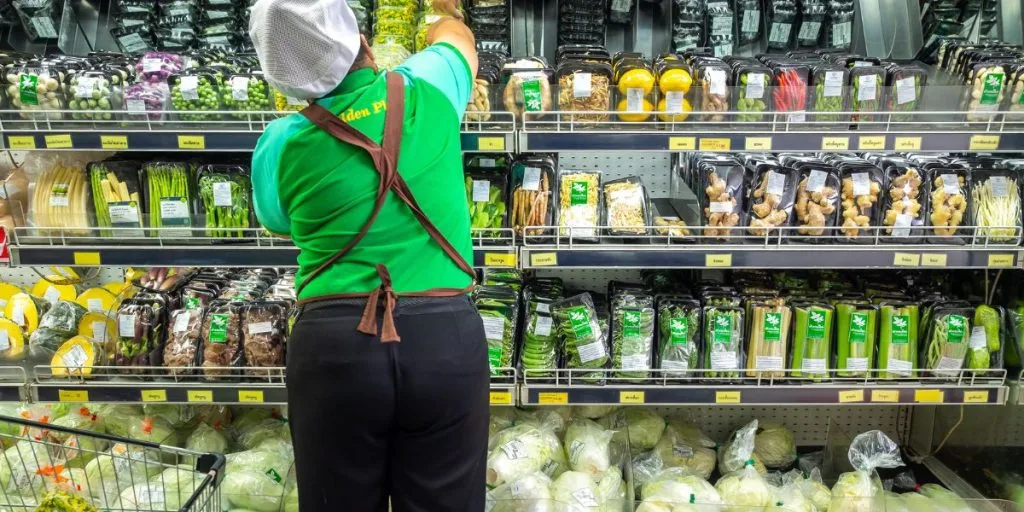
Before sunrise, the workday is already under way at an independent New York market, where shelves and produce displays need to be ready for the first customers. For 71-year-old Robert Solomon, those early hours are now a familiar part of his routine as an assistant buyer in the produce department, where he handles everything from arranging vegetables to keeping displays stocked throughout the day.
The physical side of the job was not easy at first. According to The Guardian, Solomon initially found the demands tiring enough that even getting back up during his subway journey home could be difficult. With time, however, his body adapted. He now says the work has left him feeling stronger, with less discomfort in his knees and a noticeably quieter state of mind.
His path into grocery retail began almost by accident during the pandemic. When his hours were reduced in a nonprofit role involving building management and technical support, Solomon took extra work stocking a food cooperative. What began as a practical response to reduced hours eventually pointed him toward a completely different kind of working life.
A different direction
The temporary grocery position ended when the pandemic-related circumstances that had created it began to fade, but the experience stayed with Solomon. After leaving the nonprofit in 2022, he deliberately looked for another job in food retail rather than returning to the kinds of roles he had pursued before.


What appealed to him was the directness of the work. Instead of spending the day behind a desk or thinking about a future promotion, he could see the result of what he had done almost immediately. Stock needed to be moved, vegetables had to be arranged and displays had to be kept full as customers made their way through the store.
Morning shifts may begin at 5.30am or 6am. Solomon helps prepare the market for the day, puts carts outside and begins stocking before the store becomes busy. Some produce requires more care than others, and popular items can need attention repeatedly as the hours pass.
According to The Guardian, he particularly enjoys tending greens and rebuilding vegetable displays. The routine may sound simple, but it demands steady concentration and an awareness of what needs to be refreshed, replaced or reorganized.
“The work requires good attention,” Solomon told The Guardian. For him, that focus is part of the attraction. The job gives his mind less room to wander toward questions of prestige, professional identity or what the next career move might be.
That marks a significant change after decades of considering other paths. At different points, Solomon explored becoming a computer programmer, an interfaith minister and a nurse practitioner. None became the lasting direction he had once imagined.
The irony is that the work he now values most is also among the least elaborate of the careers he considered. Rather than finding satisfaction in a more prestigious title, he found it in practical tasks that keep both his hands and attention occupied.
Earlier lessons return
Raised in Brooklyn, Solomon grew up in a household shaped by both immigrant experience and professional ambition. His parents had come from Russia, and according to The Guardian, they saw technical and managerial work as a step forward. His father became an art history professor, while his mother moved from music into running a daycare center.
That outlook influenced how Solomon thought about work, even though his own path was far less conventional. He left school at 17 and only completed his degree at 46, combining independent study with credits based on his life experience. In the years between, he built a varied working life that included house painting, handyman jobs and cabinet making.
Later, he worked for a company selling energy-efficient lighting and spent two separate periods at the nonprofit where he handled building management and technical support. He also considered several other professions along the way, repeatedly looking for a career that seemed more secure or meaningful.
His mother’s influence has also resurfaced in an unexpected way. Solomon remembers watching her clean lettuce and choose good produce when he was younger. At the time, he gave little thought to those everyday skills. Now, working with fruit and vegetables, he realizes how much of that knowledge stayed with him.
There is something satisfying, he says, about taking care of produce and seeing the results straight away. A display is either stocked or it is not, and vegetables that need attention cannot simply be left for later.
The job was physically tough when he started, but that has changed too. Solomon told The Guardian: “I feel quieter mentally. My knees hurt less. I feel stronger.”
Sources: The Guardian



