
 Asger Risom
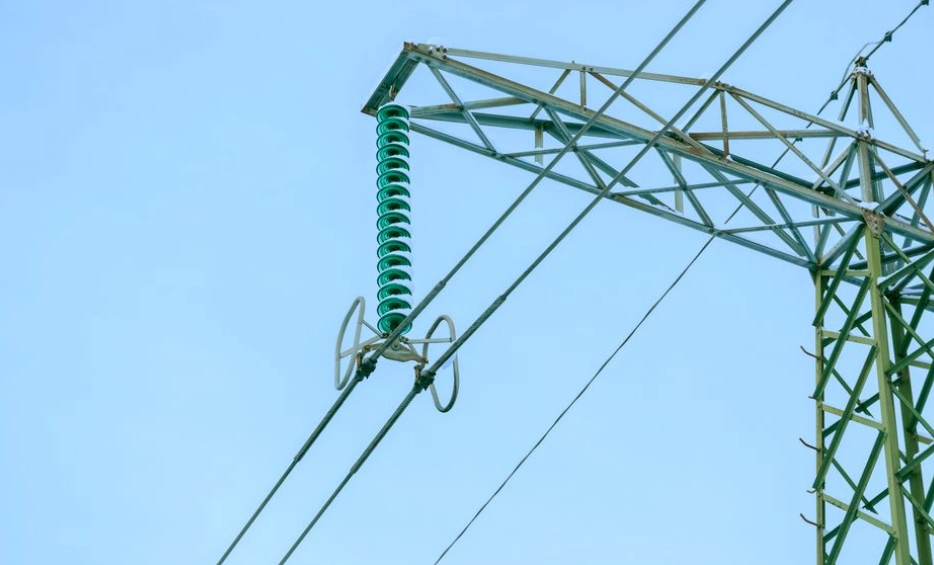
The steady expansion of AI data centers continues to drive up public electricity costs, with everyday ratepayers absorbing a known $23 billion price hike.


The steady expansion of artificial intelligence data centers continues to heavily impact public electricity costs across the United States. According to a recent report published by Fortune, expected power demand from these facilities is a primary driver behind a $23 billion increase in customer price hikes.
These astronomical infrastructure costs are being passed directly to ratepayers, leading to intense debates about how energy expenses are calculated. Without swift regulatory intervention, everyday consumers could be left holding the bag for tech giants’ massive power consumption.
The complex reality of cost allocation
Setting electricity prices is a highly complicated process managed by state utility commissions who evaluate necessary infrastructure investments. Regulators must identify all operational costs and carefully allocate them among residential, commercial, and industrial consumers. Ideally, the financial burden of new substations and power lines would fall directly on the specific customers causing the increased demand.
However, grid upgrades required to support large data centers often become shared expenses that impact everyone’s monthly utility bills. Cost analysts review thousands of items to determine fair distribution based on overall energy usage and peak system loads. Because of this complex methodology, everyday residents end up absorbing a significant portion of the financial impact from corporate expansion.


The sheer scale of ongoing data center development forces utilities to continuously adjust their long-term infrastructure planning. An analysis published by Strategian highlights that the effects of price increases are likely just beginning, projecting massive costs until at least 2028. Consequently, wholesale power costs in major regional markets have steadily increased, forcing regular households to share the financial burden.
Exploiting the peak demand loophole
A primary method for calculating large customer electricity rates relies heavily on a metric known as coincident peak demand. This specific measurement assesses how much power a group consumes at the exact moment the entire grid reaches its maximum load. While residential users cannot easily synchronize their energy usage to avoid peak times, sophisticated data centers possess this exact capability.
These tech facilities utilize computerized systems to intentionally throttle their operations precisely when grid demand reaches its zenith. By lowering their consumption during critical measurement periods, data centers successfully utilize existing loopholes in regulatory pricing structures. Consequently, they avoid paying their full share of the infrastructure costs while still utilizing vast amounts of energy during off-peak hours.
This calculated flexibility allows tech corporations to dodge substantial fees, shifting those essential grid maintenance costs onto ordinary ratepayers. Consumer advocates warn that this fundamental market structure essentially creates a system where average households subsidize artificial intelligence development. If regulators fail to adjust these pricing models, the financial burden on working families will only continue to grow.
Pledges and the fight for consumer representation
In response to growing public outrage, the federal government has recently attempted to negotiate fairer terms with major tech corporations. As noted in a recent Datacenterworld article, several prominent tech leaders recently signed a Trump administration pledge to pay their fair share of power costs. While this political agreement sounds promising on paper, critics argue that voluntary pledges rarely translate into enforceable regulatory changes.
When utility companies propose new rate structures, corporations still deploy specialized experts to actively protect their financial interests. Large industrial groups and tech giants consistently advocate for billing methods that minimize their own operational responsibilities. In stark contrast, everyday residential customers often lack dedicated, unbiased representation during these highly technical regulatory proceedings.
While most states maintain an office of the consumer advocate, these agencies are frequently barred from favoring one customer class over another. This legal restriction prevents them from aggressively arguing against policies that disproportionately benefit data centers at the expense of regular households. Therefore, it remains crucial for ordinary citizens to actively participate in open hearings and demand fundamental regulatory reforms.



