
 Kenneth Glad
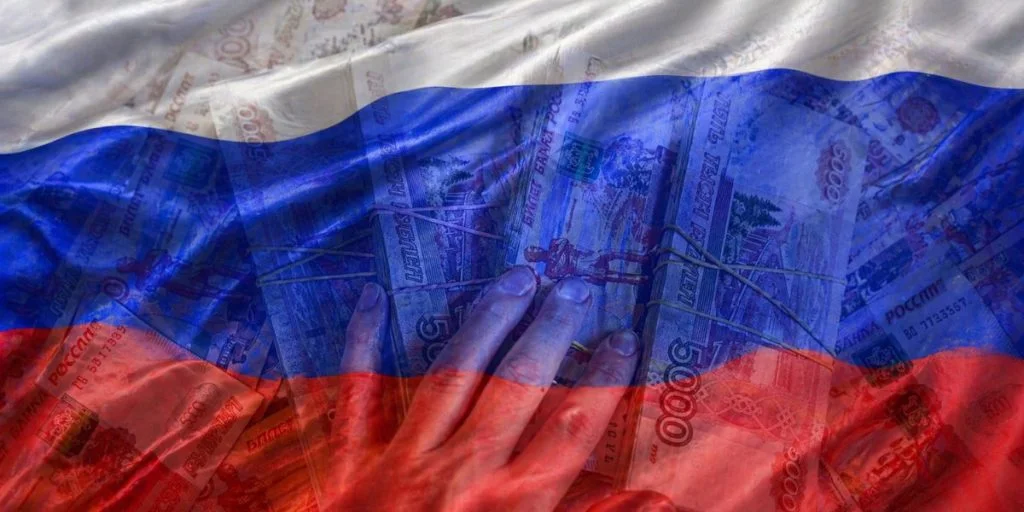
Sanctions were meant to squeeze Russia’s economic elite. Instead, many of the country’s richest figures have emerged from the past year even wealthier. That outcome reflects not just policy limits, but strong global demand for oil, gas, and metals.


Following the invasion of Ukraine, Western countries imposed sweeping restrictions targeting Russia’s banking system, transport networks, and energy exports.
Access to European markets shrank rapidly, and assets held abroad were frozen, cutting off traditional channels for doing business.
But the flow of commodities did not stop. According to Reuters, Russian oil and gas were redirected toward buyers in Asia, particularly India and China.
In some cases, shipments relied on intermediaries or tankers operating outside Western insurance frameworks, often described as part of a “shadow fleet.”


These workarounds come at a cost. Longer routes, higher insurance risks, and discounted prices have all affected margins. Even so, they have allowed key industries to keep operating and generating revenue.
Money follows commodities
The real boost to billionaire wealth has come from global market conditions. Energy and raw material prices have remained volatile, with several spikes that favored exporters.
Forbes data, cited by Business Insider, shows that Russia’s richest individuals benefited directly from these trends. The country’s wealth remains deeply tied to companies involved in extracting and exporting natural resources.
Alexey Mordashov, whose business interests include steel and mining through Severgroup, holds the top position with an estimated net worth of $37 billion.
Vladimir Potanin, a major player in metals and energy via Interros, follows with roughly $29.7 billion.
Close behind are Vagit Alekperov, formerly of Lukoil, and Leonid Mikhelson of Novatek. Their fortunes, both just under $30 billion, underline how dominant oil and gas remain in shaping Russia’s wealth hierarchy.
Wealth stays concentrated
What stands out is not just the growth in wealth, but the lack of change at the top. The same names continue to dominate, suggesting limited mobility within Russia’s billionaire class.
This stability reflects the structure of the economy itself. Control over major resource assets has long been concentrated, and recent disruptions have not significantly altered that balance.
Globally, however, the picture looks very different. Reuters notes that the world’s largest fortunes are now overwhelmingly tied to technology companies.
The scale of wealth accumulated by tech entrepreneurs far exceeds that of resource-based industries.
That gap is telling. Commodity wealth can surge during periods of disruption, but it rarely matches the sustained growth driven by innovation and digital markets.
Russian billionaires are still getting richer. They are just doing so within a system that remains heavily dependent on natural resources – and increasingly separate from the global centers of financial power.
Sources: Business Insider, Forbes, Reuters



