
 August M
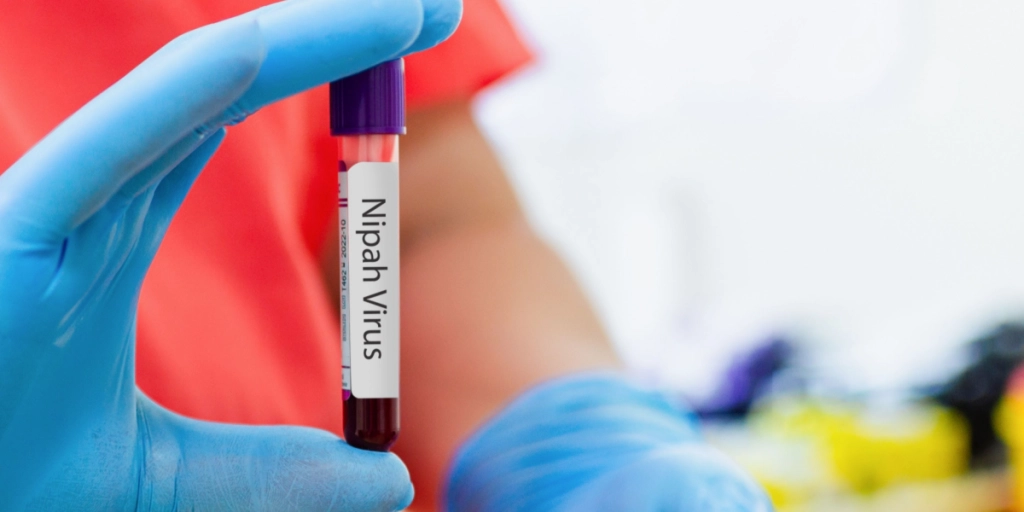
Health experts are again drawing attention to Nipah virus, a rare infection known for its high fatality rate but limited ability to spread widely. While the disease remains a global concern for scientists, specialists say the latest cases do not signal a broader emergency.


Authorities in India are treating the situation with caution, relying on surveillance and rapid response to keep the outbreak contained, reports the Express.
Rare but dangerous
Nipah virus is regarded by global health bodies as a high-risk pathogen because of how severe it can be in humans. The World Health Organization estimates that between 40% and 75% of confirmed cases are fatal, largely due to complications affecting the brain.
Despite this, outbreaks tend to remain small and geographically limited. Experts say this is because the virus does not usually spread easily between people, unlike respiratory diseases such as influenza or COVID-19.
Public health response
In the latest outbreak in West Bengal, India, health authorities have focused on containment rather than emergency escalation. According to the World Health Organization, only two infections have been confirmed so far.


Officials have traced 196 people who came into contact with the patients, all of whom tested negative. Monitoring and isolation protocols remain in place as a precaution.
The Global Virus Network (GVN), which includes virologists from more than 90 research centres worldwide, said it is closely tracking the situation through its partners, including the Institute of Advanced Virology in Kerala.
Treatment challenges
There is no proven cure or vaccine for Nipah virus. Patients are typically treated with supportive care such as rest, hydration and symptom management.
Several experimental treatments, including monoclonal antibodies and antivirals, are being developed or tested in early trials. Wang said: “Progress depends on sustained public-good investment and international cooperation.”
GVN experts said the outbreak highlights the need for “early detection, clinical awareness and rapid diagnostics” to manage future threats.
Sources: The Express, World Health Organization, Global Virus Network



