
 Kathrine Frich
Freshly released documents in the Jeffrey Epstein case have revealed previously undisclosed correspondence that is drawing renewed scrutiny.


Among the materials are emails referencing a toxic plant compound linked to a drug sometimes described as capable of stripping victims of their will.
The revelations come as U.S. authorities continue publishing millions of pages tied to Epstein’s criminal network.
Emails and plants
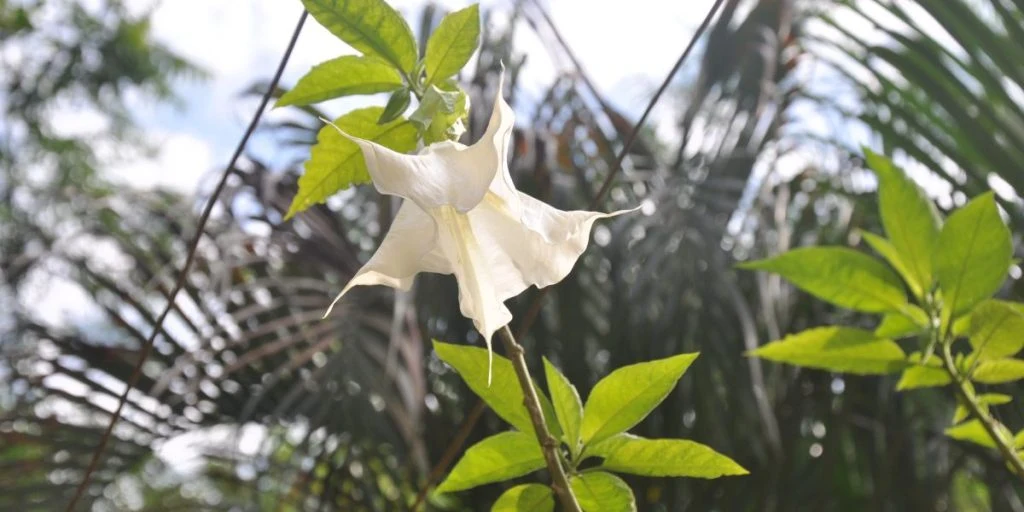
According to The Sun, emails from 2014 and 2015 show Epstein asking a close associate about so-called “trumpet plants,” a reference to plants that produce a toxin known as Angel’s Trumpet.
The substance derived from such plants can be processed into scopolamine, sometimes called “Devil’s Breath.”


One 2015 message, reportedly sent by Antoine Verglas, carried the subject line: “Scopolamine: Powerful Drug That Grows in the Forests of Colombia That ELIMINATES Free Will.”
The documents do not show Epstein explicitly naming the drug himself, but they indicate he received articles detailing its effects.
Victim statement
A separate 2022 email described as a “victim impact statement” includes claims from Joseph Manzaro, who alleges he was drugged with scopolamine in December 2014.
The released records do not clarify Manzaro’s identity or explain the nature of his alleged connection to Epstein.
The materials also do not establish that the substance was used in any confirmed criminal act tied to Epstein.
What is scopolamine
Scopolamine, also known as hyoscine, is a toxic alkaloid found in plants such as Datura, Brugmansia and Atropa belladonna. It can also be synthesized.
In controlled medical settings, it has been used to treat motion sickness and nausea. In higher doses, it can cause hallucinations, confusion, memory loss and extreme suggestibility.
Reports from South America, particularly Colombia, have linked the drug to criminal activity. It is often described in media accounts as difficult to detect in standard toxicology screenings. In large quantities, it can be lethal.
Sources: The Sun, U.S. Justice Department documents, Ziare.



