
 Asger Risom
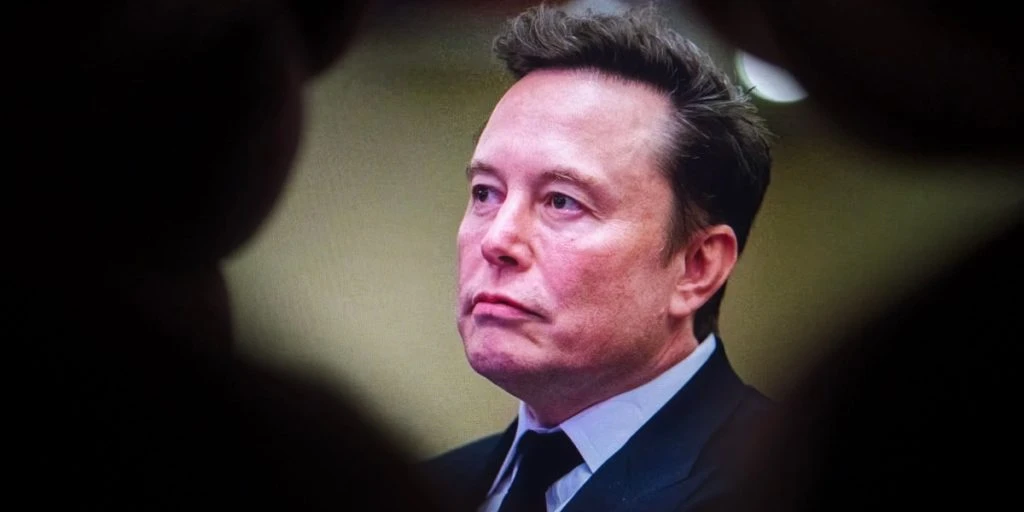
Elon Musk has dropped key fraud claims against OpenAI ahead of trial, narrowing the case to a dispute over the company’s shift from nonprofit roots to a for-profit model.


Elon Musk is heading into one of the most important legal battles in the AI industry—but with a significantly narrower case than expected.
According to Fortune, the billionaire has dropped his fraud allegations against OpenAI and its leadership just days before trial, reducing the lawsuit to a much smaller set of claims.
Lawsuit trimmed from 26 claims to two
A U.S. federal judge approved Musk’s request to streamline the case, cutting it down from 26 claims to just two: unjust enrichment and breach of charitable trust.
Jury selection is set to begin in California, with the trial expected to unfold in two phases.


The decision removes some of the most serious accusations—particularly fraud—while allowing Musk to continue challenging OpenAI’s transition away from its original nonprofit model.
Core dispute: OpenAI’s shift to a for-profit model
At the center of the case is Musk’s claim that OpenAI abandoned its founding mission of developing AI for the benefit of humanity.
He argues the company’s acceptance of billions in funding—most notably from Microsoft—and its restructuring into a for-profit entity contradict that original purpose.
OpenAI and its leadership, including CEO Sam Altman and president Greg Brockman, have denied the allegations, calling the lawsuit baseless.
$134 billion claim and structural demands
Musk is seeking up to $134 billion in damages, which he says should be directed to OpenAI’s nonprofit arm.
He is also asking the court to force OpenAI back into a nonprofit structure and to remove Altman and Brockman from leadership roles.
These demands, according to OpenAI, were introduced late in the process, with the company accusing Musk of attempting a “legal ambush” ahead of trial.
Trial to unfold in two phases
The proceedings will begin with a jury reviewing evidence and issuing a non-binding advisory verdict on Musk’s remaining claims.
A judge will then make the final determination on both liability and any potential remedies.
This structure means the outcome will ultimately rest with the court, regardless of the jury’s conclusions.
From co-founders to competitors
The case highlights the breakdown of Musk’s relationship with OpenAI, which he co-founded in 2015.
He left the organization in 2018 and has since become a direct competitor through his own AI company, xAI.
The dispute has evolved into a broader clash over the direction of the AI industry—particularly the balance between commercial interests and original safety-focused missions.
Sources: Fortune



