Jens Asbjørn Bøgen
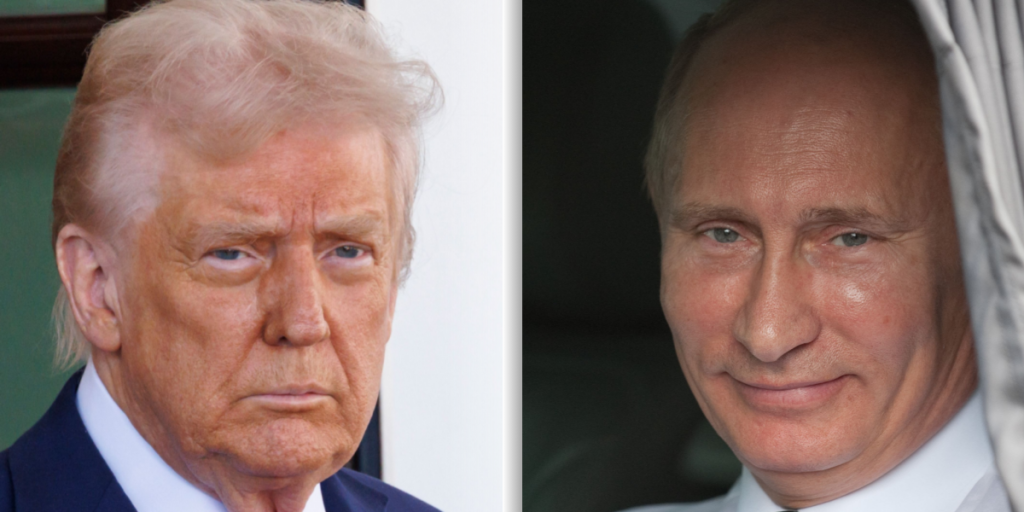
According to the Institute for the Study of War, the Russian President shows, his war goals haven’t changed since the beginning of the war.

Russian President Vladimir Putin used a senior defense meeting this week to project confidence about the war in Ukraine while reviving familiar language about diplomacy, territory and long-term objectives.
According to the Institute for the Study of War (ISW), the remarks underscored Moscow’s continued resistance to Western-backed peace proposals and highlighted why negotiations remain stalled.
According to statements released by the Kremlin, Putin addressed an expanded meeting of the Russian Defense Ministry board on December 17, declaring that Russia would “undoubtedly” achieve its objectives in Ukraine.
He said Moscow would prefer to do so through diplomacy but insisted that talks must address what he called the conflict’s “root causes,” a phrase Russian officials routinely use to restate the Kremlin’s original war demands.


A similar position was voiced the same day by Andrei Kolesnik, a member of the Russian State Duma’s defense committee.
He said eliminating those root causes meant the “demilitarization [and] denazification” of Ukraine, language Russia has long used to justify dismantling Ukraine’s armed forces and replacing its current leadership, according to ISW.
Territorial ambition
Putin also signaled that Russia’s goals extend beyond battlefield lines. He warned that Moscow would pursue what he described as the “liberat[e] its historical lands” by force if Ukraine and its Western allies “refuse to engage in substantive discussions.”
ISW notes that Russian officials have repeatedly applied such terms to large parts of Ukraine beyond the four regions Moscow has illegally annexed. Kremlin figures have described Odesa as a “Russian” city and revived the concept of “Novorossiya,” an undefined region spanning southern and eastern Ukraine.
this rhetoric, ISW assesses, shifts responsibility for continued fighting onto Kyiv and its allies rather than Moscow.
The Kremlin has rejected Ukrainian and U.S.-backed peace initiatives while accusing Ukraine of blocking negotiations. Putin’s warning suggests that territorial expansion remains an option rather than a bargaining chip.
Peace plan doubts
Putin’s comments cast further doubt on Moscow’s willingness to accept the U.S.-proposed 28-point peace framework. Russian officials have not endorsed the plan and have publicly criticized several of its elements in recent weeks, even though the plan was allegedly created in cooperation with Russian officials.
The plan would require Russia to withdraw from areas it controls outside Crimea and parts of Donetsk, Luhansk, Zaporizhia and Kherson, while freezing current front lines in the south.
Putin and Defense Minister Andrei Belousov indicated that such boundaries would be unacceptable.
Putin said Russian forces were creating and expanding “buffer zones” inside Ukraine. Belousov claimed Russian troops had taken Kupyansk, a statement contradicted by reports of Ukrainian advances, and argued that this would reduce shelling risks to occupied Luhansk.
Buffer zones push
Belousov also said operations around Hulyaipole and Orikhiv would “pave the way” for full control of Zaporizhia region. Putin has previously ordered the creation of buffer zones in northern Kharkiv and Sumy regions, raising concerns that Moscow could demand additional territory under the same rationale.
ISW believes that, taken together, the statements suggest the Kremlin sees any pause in fighting as temporary unless its broader objectives are met.
Sources: Kremlin statements, Russian State Duma remarks, ISW