
 Kenneth Glad
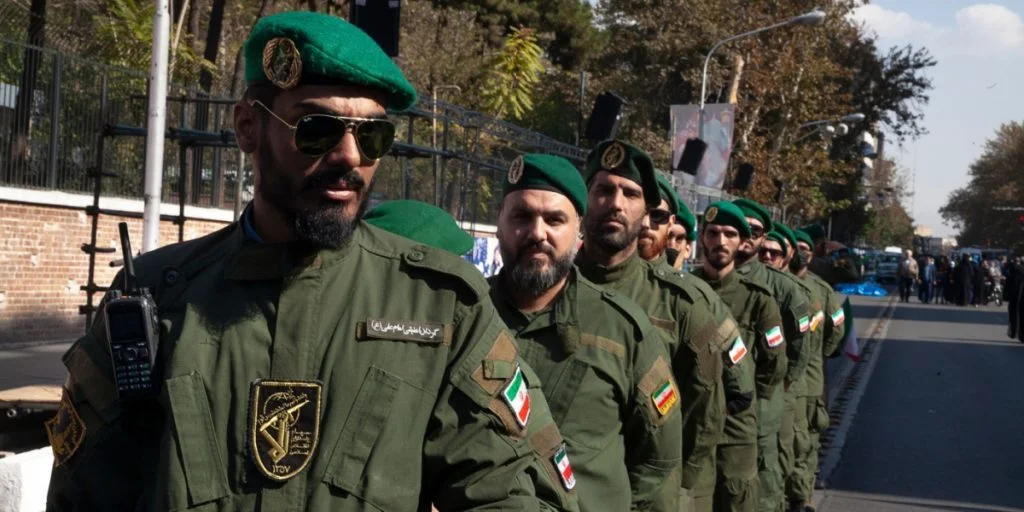
Reports of intimidation tactics are raising fresh concerns about how authorities respond to unrest. The alleged warnings suggest a growing effort to discourage people from gathering in public.


A report from The Daily Express says Iran’s Islamic Revolutionary Guard Corps (IRGC) has been accused of sending threatening text messages to civilians, warning them not to leave their homes as tensions rise inside the country.
The alleged messages, described by the British newspaper as part of a mass SMS campaign, were reportedly aimed at discouraging people from gathering in public or joining possible demonstrations.
The claim comes at a moment when Iran is already under intense pressure from events beyond its borders. But while regional conflict has dominated headlines, the report suggests Iranian authorities are also focused on something closer to home: Preventing unrest in the streets.
That matters because the IRGC is not simply a military force. It has long played a major role in Iran’s internal security and political life, especially during periods of dissent.


In that context, the reported use of direct phone messages reads less like routine public warning and more like an attempt to intimidate civilians before protests can take shape.
Fear of Another Wave of Dissent
The Daily Express writes that the warnings were designed to stop people from turning anger into public action. The newspaper cited a source close to dissident “Resistance Units” in Tehran who said the authorities were acting out of fear that fresh protests could erupt.
“They are worried about dissent. They have seen what can happen and they are sending SMS to people to tell them to stay in their homes,” the anonymous source told the outlet.
The same source went further, saying those who ignore the warning could “face the same fate as the thousands who were shot dead in January.”
That figure has not been independently verified, and it remains a disputed claim. Still, the wording itself is striking. The purpose of such a message, if accurately reported, would be clear: frighten people into silence before crowds can form.
Rather than waiting for unrest to spread, the alleged tactic suggests a pre-emptive show of force delivered straight to individual phones.
A domestic tactic with broader implications
The report also places these alleged threats within a larger regional picture. The newspaper said concerns have been growing around the Strait of Hormuz, where any disruption could have serious consequences for global oil supplies and shipping. That broader instability adds weight to what is happening inside Iran.
Taken together, the developments suggest a government trying to contain pressure on several fronts at once.
One battle is external. Another is domestic. The reported SMS campaign stands out because it turns repression into something personal and immediate — not a distant warning from the state, but a message arriving directly in a civilian’s hand.
Source: The Daily Express



