
 Kenneth Glad
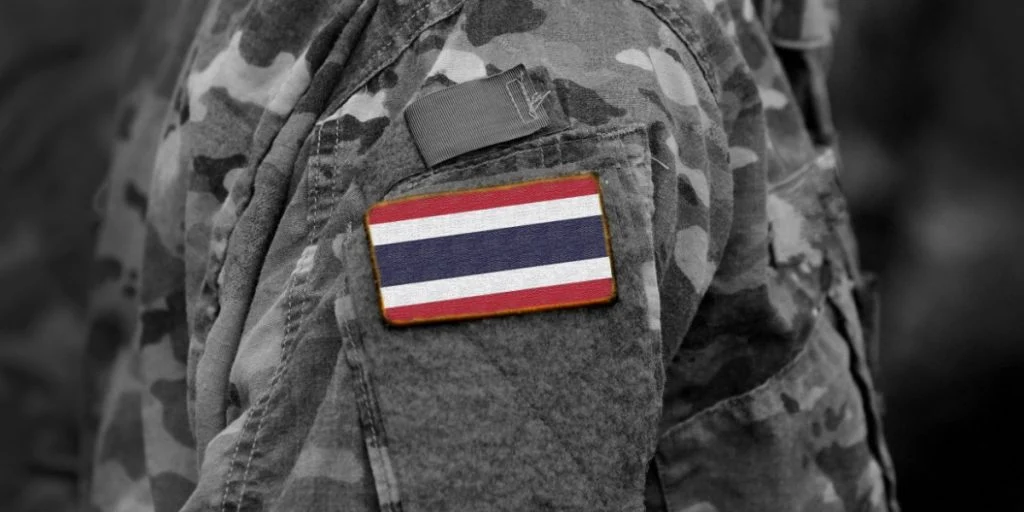
Each spring, Thailand’s draft process places young men in a system that can determine months or years of their lives. Increasingly, many are choosing to act early rather than leave it to chance.


Thailand requires men aged 18 to 29 to either volunteer for service or enter a lottery that decides their fate. The stakes are clear: a red card can mean up to two years in uniform, while a black card brings exemption.
That uncertainty is proving decisive. Rather than risk a longer or less predictable assignment, some are opting to enlist on their own terms, where service periods can be shorter.
“As a volunteer I can pick the camp and the time, and check for the place closest to my home,” said Krisana Phoolong, 23, in comments reported by The Guardian.
For many, the decision is less about enthusiasm for military life and more about avoiding disruption. It is a practical step to retain some control over where they go and how long they serve.


Economic backdrop
Opportunities outside the military are not as plentiful as before. The Guardian indicates that a tighter job market has made stable income harder to secure for younger people.
Military service offers modest pay, along with housing and meals. That combination can carry weight when compared with uncertain job prospects.
“A lot of companies aren’t looking to recruit new employees at the moment,” Krisana said, pointing to the broader slowdown affecting graduates.
This calculation is not unique to Thailand. In several countries with conscription or voluntary systems, economic pressure often nudges recruitment upward, suggesting the trend may reflect wider structural forces rather than a purely domestic shift.
Perception and politics
The military’s public image has also evolved. Recruitment efforts now include informal social media campaigns designed to resonate with younger audiences.
One post joked: “Bored of your wife? This April, come and enlist in the military.”
Another read: “Dedication to training instills discipline; dedication to her brings only sisterly affection.”
Data referenced by the British newspaper shows nearly 50,000 volunteers this year, a 22% increase compared with 2025. Analysts urge caution in interpreting the rise, noting that multiple factors are at play.
Rising influence
Recent tensions along Thailand’s border with Cambodia have heightened the military’s visibility. This has reinforced its influence in both security and political spheres.
Pavin Chachavalpongpun of Kyoto University said to The Guardian: “With the current government in place, with the popularity of the military seeming to go up following the war with Cambodia, I think the issue of conscription might just be buried for the time being.”
Even so, underlying debates persist. Younger Thais have previously called for reforms to reduce military influence, and the current increase in enlistment does not necessarily signal a lasting shift in opinion.
Krisana echoed those concerns, suggesting incentives could replace compulsory service:
“I understand that for some people who did the draft and got [a red card] but who have a family to take care of, or a job, it’s very hard.”
Ultimately, the growing number of volunteers appears to reflect a series of calculated decisions shaped by uncertainty, rather than a simple rise in patriotic sentiment.
Sources: The Guardian



