
 Christine Drews Sieger

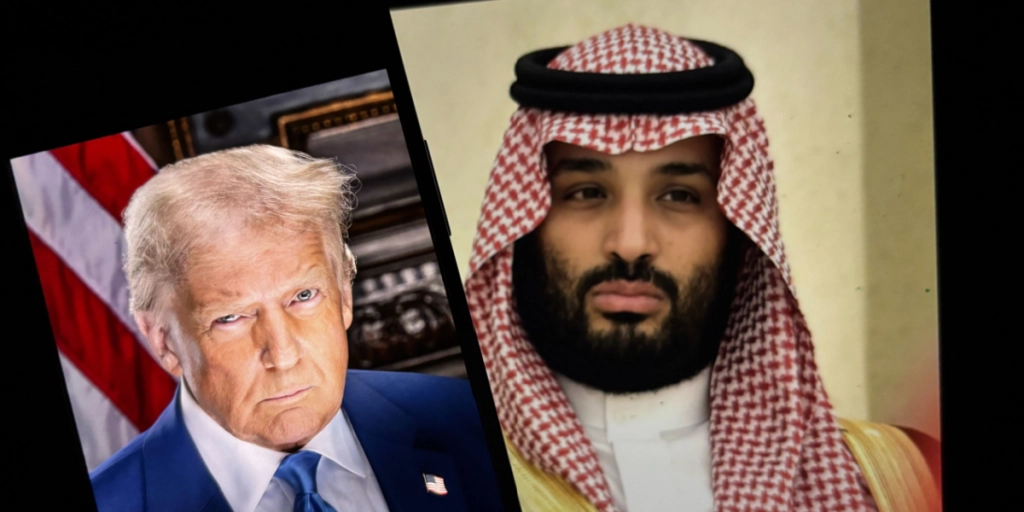
Transactional diplomacy shows its limits when economic investments fail to guarantee immediate military intervention during regional crises.

Relying on transactional relationships can leave governments exposed when regional tensions suddenly erupt.
For nations in the Gulf, massive economic investments do not always translate into immediate military intervention from foreign allies.
Saudi Crown Prince Mohammed bin Salman spent years cultivating a close relationship with Donald Trump, directing hundreds of billions of dollars into American commerce, defense agreements, and private business ventures.
External analysts suggest Riyadh operated under the expectation that these extensive financial commitments would secure a firm US safety net against regional security threats.


That calculation faced a severe test when Houthi militants intensified missile strikes against Saudi targets.
In response to the escalation, the crown prince made repeated inquiries to Washington during September, requesting American airstrikes against the Yemeni rebels.
However, the US administration resisted committing military forces directly to the conflict, The Guardian reports.
The situation escalated further on October 10, when a cruise missile struck the international airport in Saudi Arabia’s capital, Riyadh, resulting in 13 fatalities and over 300 injuries.
When questioned by reporters regarding potential US military strikes in response, Trump offered a non-committal stance, stating, “We may. We’re going to look at it,” without providing clear guarantees to the Gulf state.
Washington Offers Support Without Direct Intervention
Despite declining to launch direct strikes against the Houthis, the Trump administration has not entirely withdrawn its support for Saudi Arabia.
According to Axios, Washington agreed to provide intelligence and targeting information to help the kingdom respond to the growing threat.
The approach reflects the administration’s attempt to assist a key regional ally while avoiding direct military involvement on another front of the wider Middle East conflict.
Domestic Factors and Political Constraints
Washington’s current hesitation is strongly influenced by domestic economic and political considerations.
The ongoing conflict in the Middle East has driven up global energy prices, contributing to a US inflation rate of 3.7% in September, according to The Guardian.
Expanding military involvement abroad carries significant political risks shortly before crucial midterm elections, as polls indicate limited public enthusiasm for new overseas entanglements.
This dynamic creates a complex diplomatic challenge for Saudi Arabia. Ongoing Houthi attacks disrupt Saudi oil exports and present ongoing security risks.
Yet, despite major investments in US commercial deals and Trump family business ventures, Riyadh has so far received only limited strategic support from Washington.
Whether American policy will shift following the midterm elections remains uncertain.
For now, the situation highlights the operational limits of relying solely on transactional diplomacy for national security.



