
 Nicolai Haugsted
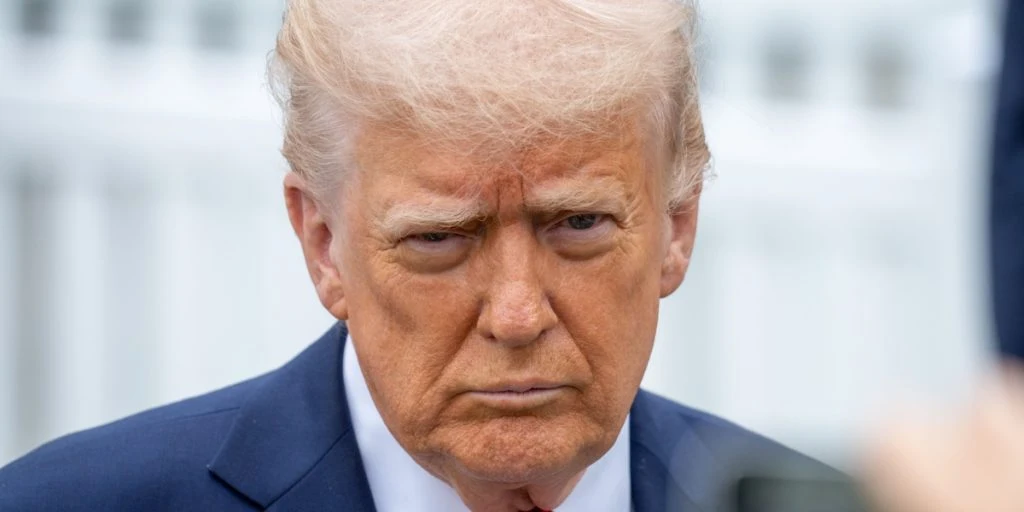
Trump and Canada pull back from brink after crucial last-minute negotiations.


Washington has stepped back from an immediate escalation of its trade dispute with Canada, giving negotiators additional time to settle some of the most contentious issues between the neighboring economies.
According to Reuters, President Donald Trump announced late Tuesday that planned 50 percent tariffs on a new group of Canadian imports would not take effect at midnight as scheduled. Instead, the measures have been suspended for three days following intensive negotiations between officials from both governments.
Trump portrayed the decision as the result of a breakthrough, declaring that the United States and Canada had reached a deal pending completion of the necessary documents.
Canadian Prime Minister Mark Carney offered a more cautious assessment shortly afterward, indicating that negotiations had advanced without suggesting that every issue had been resolved.


Trump announced the pause following his second conversation with Carney this week.
According to the president, the tariffs were suspended “based on the fact that Canada and the U.S.A., subject to the finalization of documents, have a DEAL.”
Carney stopped short of describing the negotiations in equally definitive terms. His statement said that “substantial progress has been made, although there is important work still to be done.”
Canadian and American negotiators have spent weeks trying to bridge disagreements over several areas of cross-border trade. Talks intensified ahead of the deadline, with Canadian Trade Minister Dominic LeBlanc and chief negotiator Janice Charette holding meetings in Washington.
“While we continue this work, Canada remains focused on building a stronger, more independent and more competitive economy at home,” Carney said.
$20 billion in trade temporarily spared
Planned tariffs would have affected roughly $20 billion worth of Canadian imports and imposed a 50 percent rate regardless of whether products qualified for preferential treatment under the US-Mexico-Canada Agreement.
Such treatment has previously protected large sections of Canadian industry from other US tariffs.
Industry representatives and trade experts had warned that implementation could threaten jobs and businesses in sectors including lumber, wine and dairy. Further escalation could also have complicated separate negotiations over the future of the USMCA.
Washington now says the emerging arrangement will address several longstanding complaints.
US Trade Representative Jamieson Greer’s office said provisions would include broad market access for American products, commitments involving economic security and alignment on digital trade.
Trump also said Canada had committed to addressing American concerns involving dairy duties, alcoholic beverages and motor vehicles. Ottawa had not confirmed those specific elements of an agreement.
Car tariffs remain a key issue
Automotive trade has represented one of the most difficult parts of the negotiations.
Talks have included the possibility of reducing America’s Section 232 tariff on Canadian vehicles from 25 percent to 15 percent, according to industry sources cited in the original report.
Further reductions could depend on how much American content individual vehicles contain.
Washington and Ottawa have disagreed over precisely how those deductions should work. US negotiators have pushed for only American-made content to count, while Canada has sought recognition for components produced throughout North America, including parts manufactured in Canada and Mexico.
US authorities released new certification rules for Canadian and Mexican vehicle exporters on Tuesday, reducing the frequency with which automakers must certify American content from twice annually to once per year.
Trump raises prospect of Keystone XL revival
Another major cross-border project also appeared unexpectedly in Trump’s announcement.
The president suggested the Keystone XL oil pipeline “may be awoken from the grave,” without explaining whether its possible revival formed part of the negotiations.
Former President Joe Biden canceled the project’s presidential permit in 2021 following years of environmental and Indigenous opposition.
Canada had been preparing for the possibility that negotiations would fail before Tuesday night’s tariff deadline. Government support for affected industries and even a potential suspension of bilateral trade discussions had been among the options under consideration.
The three-day pause now gives both governments additional time to finalize documents and determine whether the progress described by Ottawa can produce the completed agreement announced by Trump.



