
 Kenneth Glad
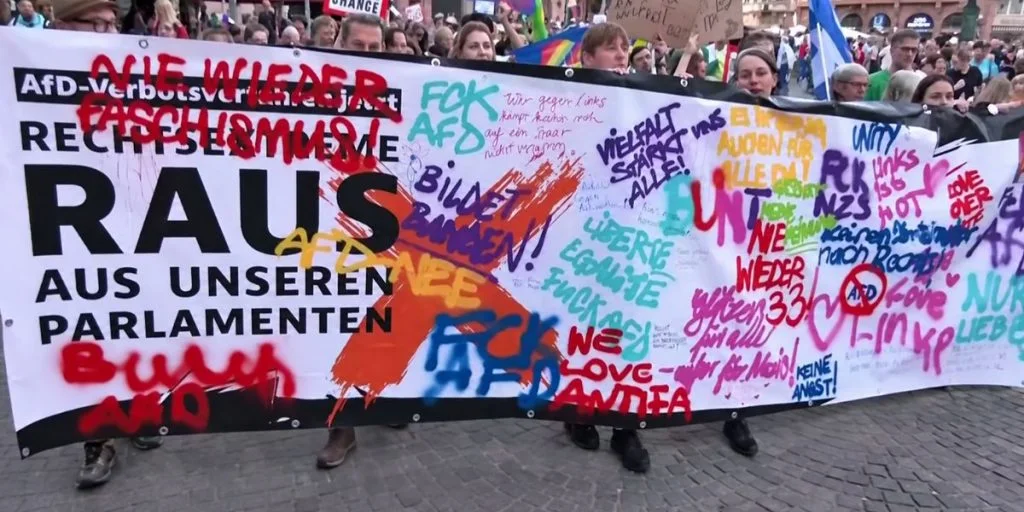
Elections usually pass by with a bit of grumbling and a few new posters on the street. But sometimes a single vote ripples through a country, leaving thousands protesting and families wondering if they still belong. This week, one German state woke up to a vastly different reality.


The far-right Alternative für Deutschland party just grabbed nearly 44 percent of the vote in Saxony-Anhalt. For Germany, this marks the biggest state-level victory for a nativist group since the Second World War.
It leaves them just three votes shy of forming a government under their candidate, Ulrich Siegmund. According to The Guardian, domestic intelligence already classifies the state branch as rightwing extremist.
The backlash came fast. By Monday, more than 5,000 protesters had gathered at the Brandenburg Gate in Berlin to push back. Some organizers claimed the crowd was actually closer to 14,000 people.
Fears of deportation
Down on the ground in the state capital of Magdeburg, the mood is heavy. One teenager named Maryam told The Guardian she is terrified her Syrian family could be sent away. She recently admitted to a friend that she wishes Germany could return to the days of Angela Merkel.


“Now after these election results we face going back to Syria which we don’t think is safe, and I can’t even read or write Arabic,” she said.
Her father arrived in Germany in 2015, and her mother followed with Maryam two years later. They have survived on temporary residency permits ever since, renewing their paperwork every three years in a constant state of uncertainty.
The party has explicitly promised mass deportations. The first clause of their new political program vows to deport anyone they consider an irregular migrant from their very first day in power.
For a 21-year-old paramedic named Eric, who has a Guinean father and a German mother, the sudden shift is deeply unsettling. He spent a full decade applying to get his German passport.
He told reporters he tries hard not to think about what the new political landscape might mean for him as a dark-skinned man, but he fears sweeping constitutional changes across the country.
The voters want change
Not everyone is protesting. A 54-year-old cleaner named Doreen backed the party out of deep frustration, describing her vote to The Guardian as an act of desperation.
“If they hadn’t turned up here in such large numbers in the first place, they wouldn’t have to go through such heart-breaking situations now,” she said, referring to refugees.
She hopes the winning politicians will quickly cut support for Ukrainians, claiming many arrive in luxury cars with designer clothes. She fiercely rejected any comparison to Germany’s dark past, insisting the country simply faces different problems today.
With two more regional elections hitting on September 20, the rest of the country is watching closely. Older citizens are particularly worried. Polling data shows a sharp drop in far-right support among voters over 70.
88-year-old Judith fled her home in Silesia as a child in 1945. Having lived through displacement herself, she feels a deep empathy for modern asylum seekers.
“It breaks my heart to think that almost half of the population has voted for a party that is so anti-immigrant, particularly after all Germany has gone through as a nation in the last century,” she told the British newspaper.
Sources: The Guardian



