
 Kenneth Glad
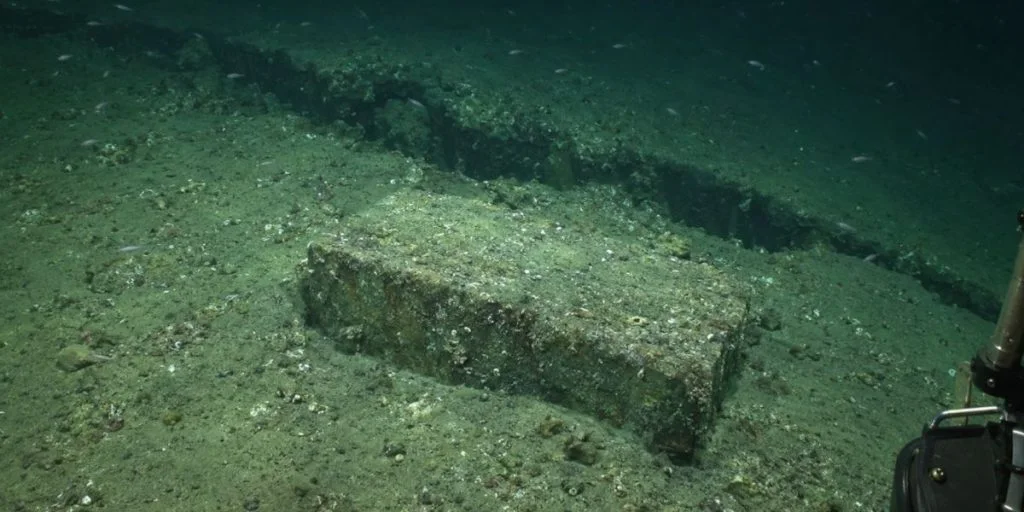
For decades, toxic waste lay hidden beneath ocean waves, far out of sight and largely out of mind. Now, law-makers are stepping up to deal with a massive chemical legacy that still threatens marine life along the Pacific coast.


A long-standing environmental nightmare off Southern California is finally getting congressional attention. Federal lawmakers have introduced the Ocean Protection and DDT Reduction Act to tackle hundreds of thousands of toxic barrels dumped into the Pacific Ocean after World War II.
The nation’s largest producer of the chemical systematically dumped its manufacturing waste straight into ocean waters for decades. Reports from the Los Angeles Times brought this forgotten disposal history back into the public eye, triggering calls for federal intervention.
US Rep. Salud Carbajal and US Sen. Alex Padilla are spearheading the bipartisan effort. Carbajal admitted he was shocked by the scale of the pollution.
“I know firsthand how much our communities depend on a healthy ocean,” Carbajal said, noting that local fishermen and coastal economies rely directly on clean water.


Decades of damage
The waste includes huge quantities of DDT, a pesticide banned more than 50 years ago following Rachel Carson’s book “Silent Spring.” Despite the long ban, the chemical lingers in the ecosystem without breaking down.
Recent studies have tied the pesticide to aggressive cancers in sea lions. Scientists also trace high levels of the chemical in dolphins and coastal-feeding condors.
Mapping the seafloor has proved tricky. Expedition teams led by UC San Diego’s Scripps Institution of Oceanography set out to locate chemical containers, writes the newspaper, only to stumble upon discarded wartime explosives.
Uncovered historical records from the Environmental Protection Agency revealed that 13 other offshore sites were officially designated for dumping radioactive material, military weapons, and 3 million metric tons of refinery waste.
Seeking real solutions
The proposed law targets this historic mess by naming the National Oceanic Atmospheric Administration as the lead coordinating agency, working alongside the Department of Defense and federal environmental officials.
The bill would direct $6 million every year through 2034 toward mapping the waste and tracking its spread through the marine food chain.
Researchers also plan to analyze cleanup options, including bioremediation, to break down the chemicals naturally and create scientific tools for other ocean dump sites across the nation.
“Our communities deserve to know what’s in the water,” Padilla said to the LA Times, emphasizing the need to protect public health and fisheries.
Scientists who first discovered the corroding barrels welcome the structured plan. David Valentine, a researcher at UC Santa Barbara, noted that missing continuity and dedicated funding had long held back scientific progress.
Mark Gold, director of CalCOFI at the Scripps Institution of Oceanography, highlighted the importance of combining data from deep ocean sites, the Palos Verdes Shelf, and the Dominguez Channel.
“This is one of the most tragic environmental stories in our nation’s history,” Gold said.
Source: Los Angeles Times



