
 Kenneth Glad
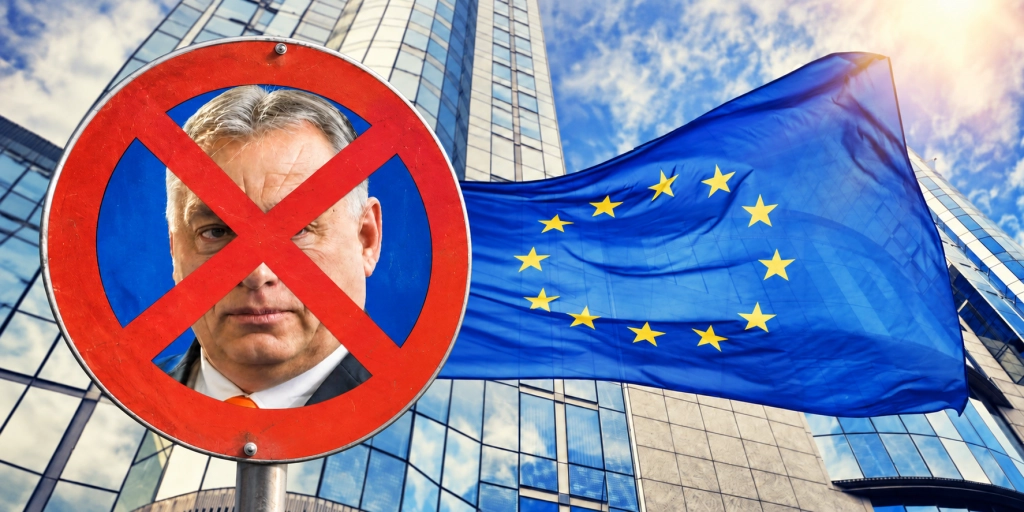
When you join an exclusive club, you usually expect the same perks as the oldest members. That unwritten promise has shaped how a massive political alliance brings in fresh blood. Not anymore. Soon, new arrivals might find themselves carrying a special probationary card instead.

The European Commission is drawing up strict rules for the next group of countries hoping to join the bloc. Under a new proposal, incoming states would face a 15-year testing phase.
During this period, leaders who break democratic rules could quickly lose their voting rights or financial support. The Guardian reports that EU enlargement commissioner Marta Kos designed these safeguards to protect the alliance.
Officials just want to stop rogue leaders from holding major decisions hostage.
Blocking the disruptors
The strategy directly responds to years of internal conflict. Kos pointed to the former Hungarian prime minister as the primary example of what the bloc wants to avoid.


“No more Viktor Orbán,” Kos told The Guardian and other newspapers.
She explained the need for a faster way to punish countries that ignore shared standards: “We have to have quicker mechanisms than only article 7 if the newcomers would go against the rule of law, democracy or our values.”
The current punishment allows members to strip a rogue state of its voting power. Because, as The Guardian explains, previous governments in Poland and Hungary used their vetoes to protect each other.
A race against time
After Russia invaded Ukraine in 2022, the expansion project found fresh energy. Nations like Moldova, Albania, Montenegro, and Ukraine now lead the queue.
The bloc sees this as a crucial strategic move. According to Kos, foreign powers are actively trying to pull these candidates away.
She named Russia and China as “external disruptive forces, who are after our candidates”.
The threat goes beyond mere influence. “If we are not able to integrate our neighbourhood, somebody else is coming [and] weaponising them against us,” Kos warned.
Growing pains ahead
Still, a permanent two-tier system would not work. “If this [safeguard] would be unlimited, we would … have the situation where we have first and second-class members,” Kos admitted.
Adding countries will force current members to make tough choices. A future alliance of 35 nations could face constant gridlock under the current rules.
European leaders will meet next week to discuss removing veto rights for tax policies. They may even shrink the executive team in Brussels.
Source: The Guardian



