
 Kenneth Glad
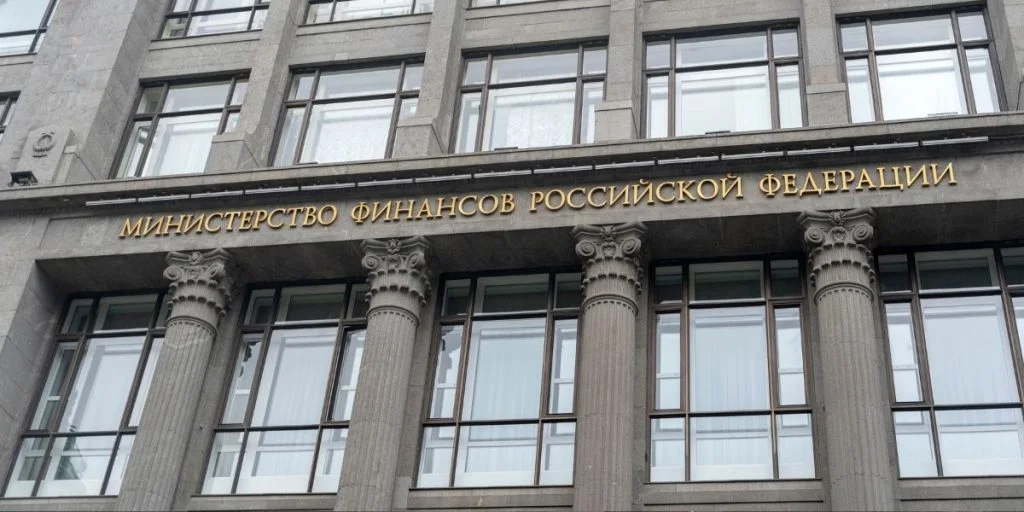
The federal accounts have moved far beyond the level originally expected for the year. Authorities are responding by limiting expenditure while maintaining several protected categories.

Russia recorded a federal budget deficit of 6.455 trillion rubles (about €64.4 billion) between January and July 2026, according to preliminary Finance Ministry figures reported by Interfax. The shortfall was equivalent to 2.8% of GDP, underlining how quickly the gap between federal revenue and expenditure had widened during the first seven months of the year.
The seven-month deficit was about 70% higher than the 3.786 trillion-ruble shortfall (about €37.7 billion) originally planned for the whole of 2026. The Finance Ministry has said that advance financing of government expenditure contributed to the unusually large deficit earlier in the year, meaning some spending was brought forward rather than distributed evenly across the budget period.
Russia’s Electronic Budget system showed an even wider deficit on August 24, at 8.654 trillion rubles (about €86.3 billion), The Moscow Times reported. The figure did not yet include tax payments due at the end of the month, which could reduce the shortfall once they are received.
Most non-exempt spending cut 35%
The spending restrictions followed an April liquidity squeeze, according to Bloomberg. Finance Minister Anton Siluanov warned Prime Minister Mikhail Mishustin that the government might not have enough cash to make all required payments on time, the outlet reported, citing people familiar with the situation. At the time, the unified federal budget account at the Treasury was running a 5.5 trillion-ruble shortfall (about €54.8 billion).


Defense, social expenditure, public-sector salaries, regional subsidies and interest on government debt were excluded from those reductions, according to the report.
Government agencies were also instructed to postpone nonessential expenditure and prepare plans for 15% staffing reductions. The report described those reductions as plans agencies had been ordered to prepare, rather than layoffs already carried out.
Year-end deficit could rise further
Interfax reported that Russia’s federal budget deficit had already reached 5.731 trillion rubles (about €57.1 billion) during the first six months of the year. The figure showed how far government finances had moved from the original annual plan well before the second half of 2026 was complete.
The shortfall continued to attract attention because the government had entered the year expecting a much smaller deficit for 2026 as a whole. Although monthly and quarterly budget balances can fluctuate as revenue and expenditure arrive at different times, the first-half figure pointed to a substantially larger funding gap than initially anticipated.
The Moscow Times, citing Bloomberg sources, said that internal government estimates now put the possible year-end deficit at between 3.2% and 3.8% of GDP. In cash terms, that would amount to roughly 9 trillion rubles (about €89.7 billion).
If that estimate is reached, the final shortfall would be considerably larger than the government’s original budget assumptions. The revised outlook also suggests that the spending restrictions already introduced may not be enough to bring the deficit back toward the level initially planned for the year.
Sources: Interfax, The Moscow Times, Bloomberg



