
 Kenneth Glad
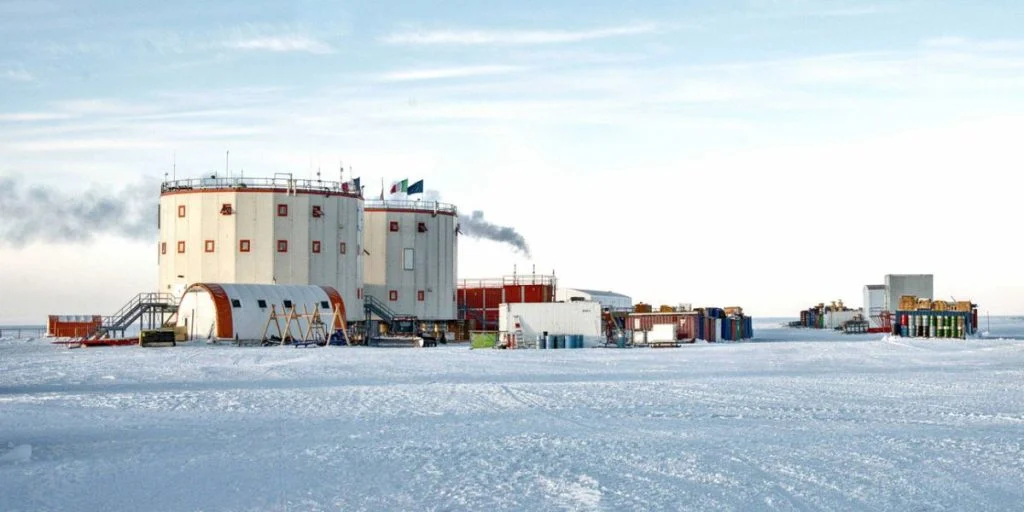
An unusually low temperature measurement has drawn attention from scientists studying conditions in one of the world’s most extreme environments. Researchers say the observation offers fresh insight into the behavior of Earth’s atmosphere during the Antarctic winter.


Concordia Research Station measured –84.1°C (–119.4°F) on July 18, 2026, a result that Live Science describes as the lowest reported ground-based air-temperature reading anywhere on Earth since 2012.
The measurement did not break Concordia’s own record or the recognized global record, but it was still considered exceptional for a site accustomed to severe Antarctic winters.
Data supplied to Live Science by the French Polar Institute Paul-Émile Victor showed that the temperature was recorded twice within nine minutes, first at 6:25 a.m. and again at 6:34 a.m.
Record comparisons
The previous comparable reading came from Russia’s Vostok Station, where instruments measured –84.2°C in 2012.


Concordia’s lowest recorded temperature remains –84.7°C, registered in 2010. The World Meteorological Organization recognizes a reading of –89.2°C at Vostok on July 21, 1983, as the lowest directly observed air temperature on record.
That distinction matters because ground-based air measurements are not the same as satellite estimates of surface temperatures. Satellites have detected colder conditions on parts of the East Antarctic ice sheet, but those figures refer to the surface of the snow and ice rather than air measured by a weather station.
Gabriele Carugati, Concordia’s station leader for Italy’s National Antarctic Research Program, told Live Science: “Even here, where extreme cold is expected, temperatures below minus 84°C are remarkable.”
Why temperatures fall
Concordia is located on Antarctica’s interior plateau at an elevation of about 3,200 meters. Its height, distance from the coast and winter conditions make it one of the coldest permanently staffed locations on the planet.
According to Carugati and the World Meteorological Organization, the region’s prolonged darkness removes incoming solar warmth for months.
The atmosphere is also extremely dry, while limited cloud cover allows heat to escape efficiently from the air near the ice.
These conditions can combine during calm winter periods to produce unusually low readings, even at a station where temperatures commonly fall below –80°C.
Climate context
A single episode of extreme cold does not show that the long-term rise in global temperatures has stopped or reversed, Carugati said:
“Climate change describes the long-term global trends, while individual weather events can still [bring] exceptional cold.”
Carugati also explained that complex atmospheric patterns can create sharp local variations across Antarctica.
An unusually cold measurement at one station can therefore occur while average temperatures continue to rise over longer periods and across the wider planet.
Sources: Live Science; World Meteorological Organization



