
 Asger Risom

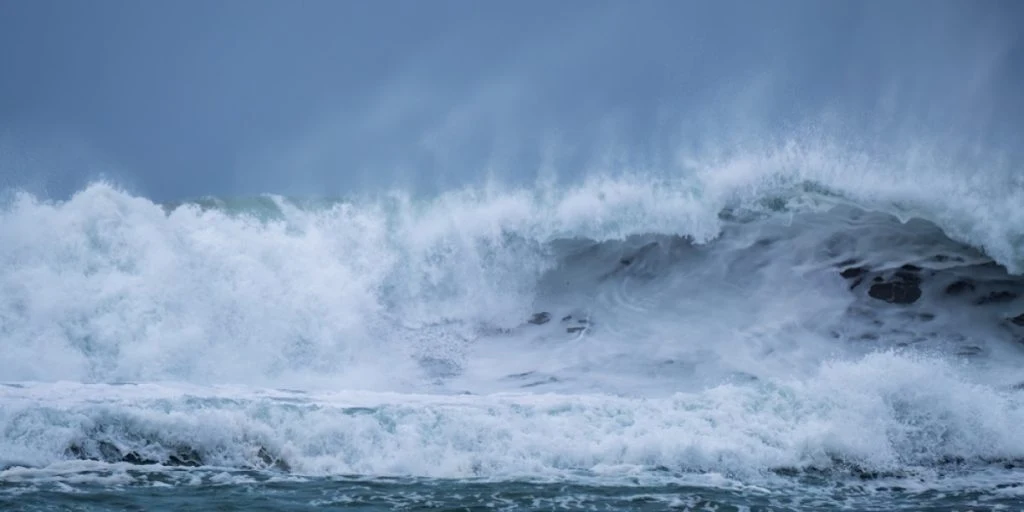
Instead of endlessly pouring concrete or dredging beaches every few years, Dutch engineers dumped 21.5 million cubic meters of sand off the coast near The Hague to create an artificial peninsula called the Sand Motor. By letting waves, wind, and currents gradually erode and spread that sand along the shore over two decades, they turned the ocean itself into a self-healing coastal defense. Monitoring shows the shifting peninsula not only widens protective dunes against storm surges, it also creates calm lagoon habitats for wildlife and recreation.


Most countries fight coastal erosion by throwing heavy armor at the sea, stacking concrete seawalls or sending dredging ships back every few years to patch washed-out beaches. In the Netherlands, where roughly a quarter of the land sits below sea level and winter storms from the North Sea pose a constant threat, engineers decided to stop wrestling the ocean and put it to work instead. Rather than spreading thin layers of sand along the shore and watching the tide erase them, they piled twenty years’ worth of sand into a single massive peninsula and let waves, wind, and currents deliver it for free.
Twenty years of sand dumped in a single spot
For decades, Dutch coastal authorities kept their shoreline intact through routine sand nourishment, pumping dredged sand onto eroding beaches every three to five years. That strategy kept the water back, but bringing in heavy dredging vessels every few summers repeatedly buried fragile seabed ecosystems and burned huge amounts of fuel to redo the same job. Planners realized they needed a way to protect the coast without constantly disturbing marine life or paying for endless repeat maintenance.
In 2011, engineers tried a radically different approach along the Delfland coast just south of The Hague. According to Rijkswaterstaat, dredging ships pulled 21.5 million cubic meters of sand from deeper offshore waters and piled it against the shore to form a hook-shaped peninsula jutting a kilometer into the North Sea. That single mound contained enough sand to fill roughly eight thousand Olympic swimming pools, concentrating two decades of coastal upkeep into one upfront deposit.
Dutch water managers nicknamed the project the Sand Motor, or Zandmotor, because it was engineered to harness natural marine energy rather than resist it. As the European Environment Agency notes, the peninsula served as a full-scale pilot for a “Building with Nature” strategy designed to strengthen dunes against rising sea levels. Instead of acting as a permanent barrier, the giant sandcastle was built to slowly disappear into the sea.


Turning waves and wind into free bulldozers
A giant lump of sand sticking out into the ocean immediately disrupts local water flow, forcing incoming waves to break harder against the artificial peninsula. As those waves crash against the outer curve of the hook, they knock loose millions of grains of sand and suspend them in the surf. What looks like destructive erosion on a local map is actually the precise mechanism that powers the entire system.
Once the waves loosen the sand, prevailing coastal currents sweeping northward along the Dutch shore act like a slow-motion conveyor belt. That steady current carries the suspended sediment along neighboring beaches for miles in either direction, naturally widening the shoreline without a single bulldozer on the beach. Heavier grains settle just offshore to form protective sandbars that trip up incoming storm waves before they can slam into the coast.
At low tide, the sun dries out the fresh sand washed onto the upper beach, allowing coastal winds to take over the final leg of construction. Gusts blow those dry grains inland until tufts of marram grass trap them and anchor them in place. Over time, that windblown sand builds taller, wider dunes, which serve as the primary natural wall keeping North Sea storm surges out of low-lying Dutch cities.
What researchers found as the peninsula reshaped itself
Because the Sand Motor was designed to erode gradually over twenty years, the coastline near The Hague never looked quite the same from one season to the next. Surveyors tracked the shifting shoreline with GPS buggies, drones, and sonar boats to see whether nature would actually distribute the sand as computer models predicted. Within the first decade, waves flattened the sharp tip of the hook and stretched the sand smoothly along several miles of adjacent coastline.
Research led by the Dutch water institute Deltares showed that dune growth started slowly during the peninsula’s early years before accelerating as the beach profile widened. Strong winter storms actually helped the process along by pushing large volumes of sand higher up the shore where wind could carry it into the dune belt. Even after more than ten years of constant wave action, a substantial reserve of sand remained in place to keep feeding nearby beaches.
Leaving the seabed undisturbed between mega-deposits also paid off for coastal ecology. Instead of getting buried every three years by routine dredging, bottom-dwelling shellfish, worms, and crustaceans had years of uninterrupted calm to recolonize the coastal waters. That steady food supply in turn drew more shorebirds and marine predators back to a heavily urbanized stretch of European coastline.
A shifting playground for wildlife and kitesurfers
As waves curved the original hook inward toward the beach, the changing geometry carved out a sheltered saltwater lagoon and a shallow dune lake. Those calm pockets gave juvenile flatfish, coastal birds, and resting seals rare refuge along a shoreline normally battered by open North Sea surf. Rare pioneer plants quickly took root along the fresh sandy ridges, turning an engineering project into a thriving coastal nature reserve.
Humans were just as quick to take advantage of the temporary geography. Combining steady North Sea winds with knee-deep, wave-free lagoon water turned the Sand Motor into one of Europe’s premier kitesurfing destinations. On breezy weekends, hundreds of colorful kites fill the sky above the peninsula while walkers and birdwatchers explore the newly formed tidal flats below.
Today, coastal engineers from Britain to the United States study the Delfland peninsula as a blueprint for adapting to rising seas. While mega-nourishment requires plenty of available offshore sand and strong coastal currents to work, it proves that working with natural physics can outperform rigid concrete walls. By treating erosion as a delivery system rather than an engineering failure, Dutch planners turned the ocean’s own energy into a self-healing coastal defense.



