
 Kenneth Glad
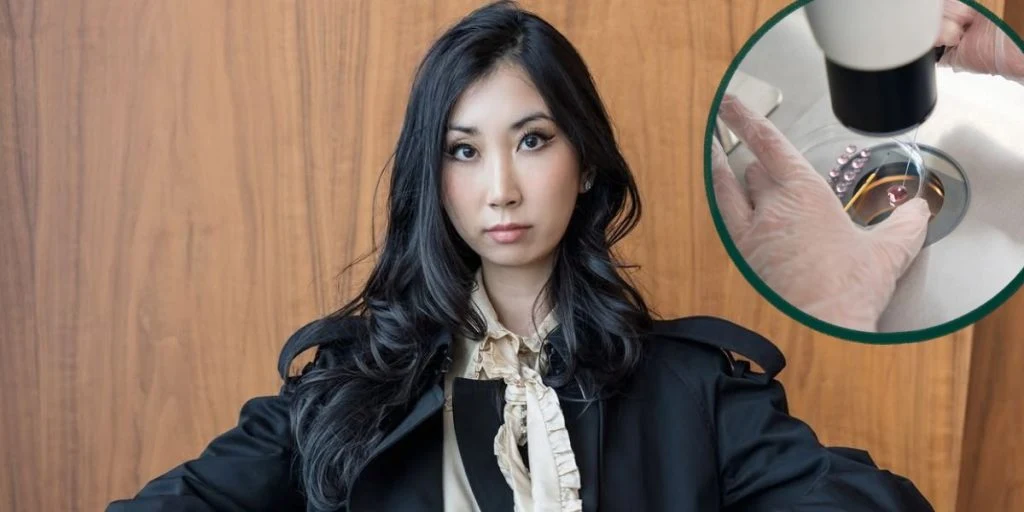
Science regularly helps couples who want children. Millions rely on clinics to start their families. Now, a controversial leap in laboratory technology threatens to cross a permanent line.


Eight years ago, the scientific world reeled when He Jiankui revealed he had created the first genetically modified babies. He went to prison, and the medical community condemned his secret project.
But the push to alter human DNA continues. Biotech founder Cathy Tie is spearheading a drive to bring modified embryos to fertility patients, according to Wired.
Her startup, Origin Genomics, launched in March. In the journal Trends in Genetics, Tie called the genetic alteration of embryos a moral duty.
Weighing the risks
She wants regulators to open legal pathways for this technology. She argued that expecting parents deserve the freedom to choose these treatments if they can effectively stop a severe illness.


Dozens of countries ban the practice. Tinkering with reproductive cells means any accidental errors will echo through the human gene pool forever.
Hank Greely of Stanford University told Wired that standard screening already works well. This means the extreme step of editing would only serve “a fraction of a fraction of a fraction” of parents, Greely said.
He also warned about moving too fast: “There are cautionary tales of first human trials where there was really no flashing red light, and people died.”
Desperate for options
For some couples, standard screening falls short. Ian Watts and Cheyenne Ziegler survived three exhausting rounds of IVF to avoid passing on a neurological disorder.
They secured just three healthy embryos, limiting their dreams of a large family. Watts told Wired they face a tough choice between giving up entirely or enduring endless medical procedures.
Ziegler is pregnant now, but the couple kept their affected embryos. “If the choices are to discard or to give a new technology a chance, I would lean toward giving new technology a chance,” Ziegler said.
The safety debate
Columbia University research shows precise editing is closer, but lead researcher Dieter Egli noted the tools still produce unwanted changes.
Fixing genetic errors will not be simple. “Each and every mutation will therefore be a new medicine,” Egli told Wired.
Medical experts demand rigorous animal trials before anyone attempts a human pregnancy. Oregon researcher Shoukhrat Mitalipov cautioned that doctors cannot guarantee total safety.
The process holds major unknowns. Mitalipov explained to Wired: “You think that it’s safe, but you’re transferring a kind of black box.”
Sources: Wired, Trends in Genetics, Origin Genomics



