
 Asger Risom
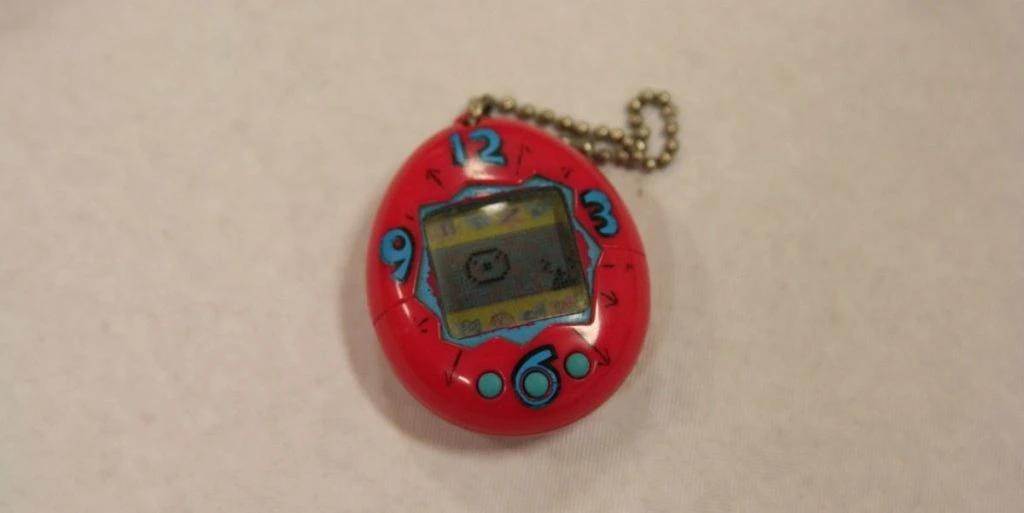
Meta is trying to turn our 90s Tamagotchi nostalgia into a cheap AI hardware cashgrab, ignoring the fact that dedicated AI gadgets are already a proven commercial dead end.


In the late 1990s, we willingly clipped a plastic egg to our belt loops and dedicated our waking hours to keeping a pixelated alien alive. The Tamagotchi was a masterclass in emotional design—a harmless piece of digital companionship that worked precisely because it offered a fun, isolated escape long before we carried the entire internet in our pockets.
Nearly three decades later, Meta is trying to weaponize our collective nostalgia to salvage its struggling hardware strategy. But instead of a charming digital pet, Mark Zuckerberg wants to sell us a glorified data-harvesting pendant designed to read our emails and manage our calendars.
According to a breakdown by elEconomista, Meta’s latest gadget is a dedicated, keychain-sized AI charm. It is effectively a high-tech Tamagotchi for adults, and it represents the tech giant’s most transparent, flailing attempt yet to brute-force its way onto our person.
A solution looking for a problem
The device features a two-inch touchscreen, 5G connectivity, and both front and rear cameras. On the display sits an animated virtual avatar for “Muse,” Meta’s proprietary AI agent. The pitch is simple: talk to the little digital character on your keychain, and it will run your errands through Meta’s cloud servers.


The strategic desperation behind this launch is hard to miss. Meta is lagging behind rivals like OpenAI, Google, and Anthropic in pure AI capability. Meanwhile, its primary hardware bet—Ray-Ban smart glasses—is facing mounting public backlash and outright bans over privacy concerns regarding hidden cameras.
Pushing a camera-laden keychain charm is Meta’s attempt to engineer a shortcut to a dedicated AI hardware footprint without solving an actual human need.
The fundamental flaw is impossible to ignore: the smartphones already sitting in our pockets do everything this gadget claims to do, faster and without requiring a second charger.
The AI hardware graveyard
We have already seen this exact play run by other tech companies, and it always ends the same way. Standalone AI hardware like the Humane AI Pin and the Rabbit R1 promised to free us from our screens.
Both devices were universally panned and commercially dead on arrival because paying hundreds of dollars for a redundant piece of plastic that acts as a clunky, slow wrapper for an app makes zero sense.
The original Tamagotchi worked because we lived in an era of digital scarcity. Today, we are drowning in screens, notifications, and invasive algorithms. Slapping an AI agent inside a plastic egg and calling it an accessory isn’t innovation—it’s a cynical cashgrab aimed at nostalgia-blinded consumers who will inevitably toss it into a desk drawer within a week.



